
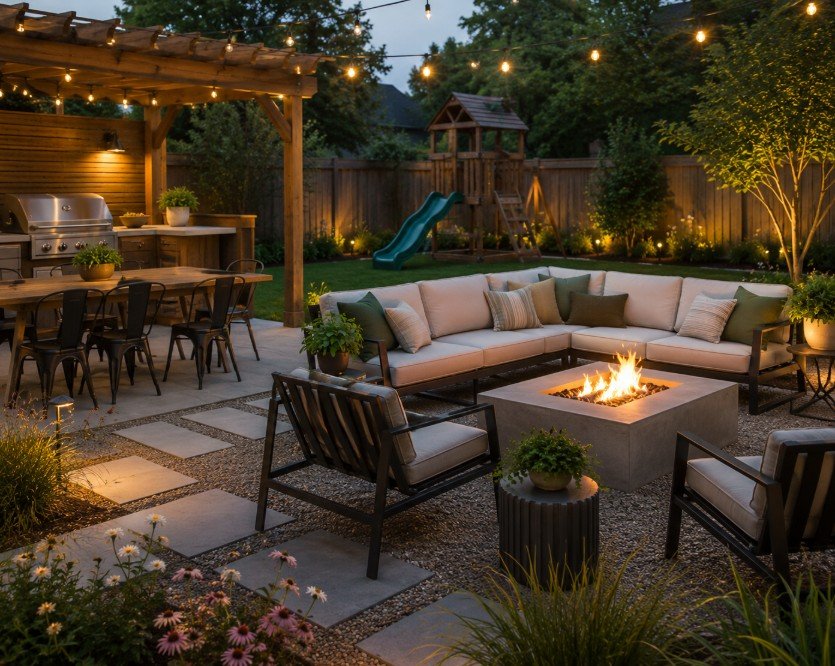
Creating a backyard that serves a practical purpose while maintaining an attractive appearance can transform outdoor living spaces into true extensions of the home. This article will help guide you in how to set up your backyard for function while creating a beautiful space you can be proud of.
Many homeowners focus primarily on aesthetics, investing in lush landscaping and decorative elements that impress guests but fall short in day-to-day use. Setting up your backyard for function, not just looks, ensures that every square foot adds value through comfort, usability, and enjoyment. This approach balances beauty with utility, making the outdoor area a welcoming retreat for family, friends, and everyday activities.
Affiliate disclosure: Some links in this article are affiliate links. If you make a purchase through an affiliate link, I may earn a commission at no additional cost to you. As an Amazon Associate I earn from qualifying purchases.
Assessing Your Backyard’s Potential
Before diving into design or renovation, it’s essential to evaluate the existing space honestly. Understanding the size, shape, and natural features of the yard lays the groundwork for functional improvements. Consider the local climate, sunlight patterns, soil condition, and drainage, as these factors influence what activities and installations will thrive.
An effective assessment includes identifying how you currently use the space and what you’d like to change. For example, if the yard is mostly ornamental but rarely used for gathering or play, this signals a need to incorporate zones designed for those functions. Mapping out areas where furniture, garden beds, walkways, or recreational spots could fit helps visualize a more purposeful layout.
Defining Clear Zones for Different Activities
Functional outdoor spaces often rely on zoning—dividing the backyard into distinct areas that serve specific purposes without feeling cramped or disorganized. Popular zones to consider include:
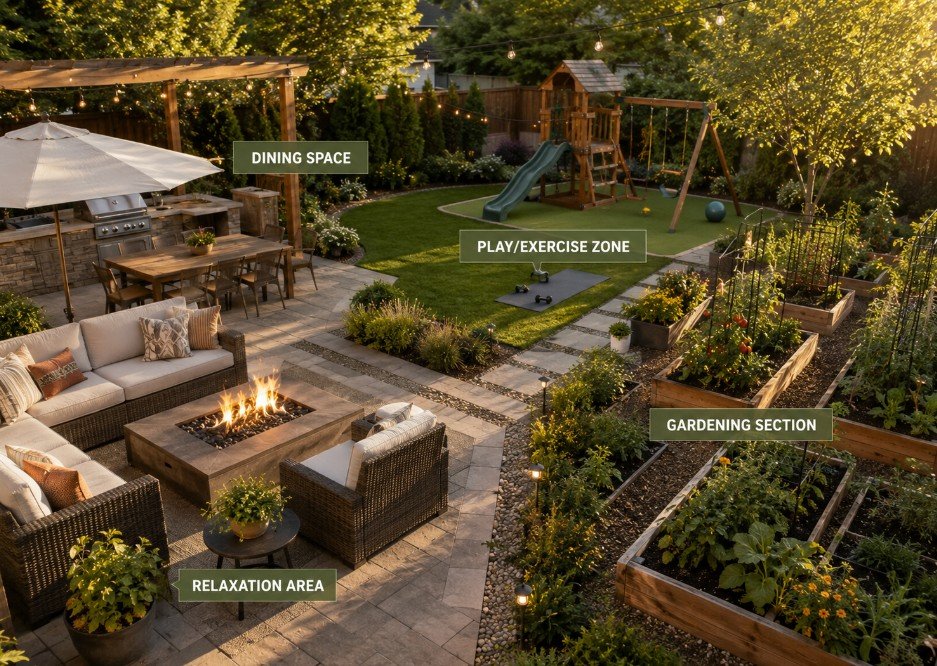
- Relaxation Area: A comfortable spot with seating, shade, and perhaps a fire pit or water feature encourages unwinding and socializing. Durable, weather-resistant furniture with cushions designed for outdoor use improves comfort and longevity.
- Dining Space: Whether a built-in barbecue station or a simple table and chairs, having a defined dining zone promotes outdoor meals and entertaining. Position this area near the kitchen or with easy access via a pathway for convenience.
- Play or Exercise Zone: For families or active individuals, dedicate space for children’s playsets, a lawn for games, or even a small area for yoga or workouts. This zone benefits from soft turf or mats for safety.
- Gardening Section: Raised beds, container gardens, or a small greenhouse can add both function and beauty. This area is ideal for growing herbs, vegetables, or flowers and should be placed where sunlight is ample.
Creating clear transitions between zones using pathways, changes in ground cover, or low hedges can maintain flow while defining purpose.
Prioritizing Practical Materials and Features
Choosing the right materials is key to long-term usability. Opting for durable, low-maintenance surfaces and fixtures reduces upkeep efforts and enhances safety.
- Hardscaping: Materials such as concrete pavers, natural stone, or composite decking provide sturdy, slip-resistant surfaces for seating and dining areas. These materials withstand weather fluctuations and heavy foot traffic.
- Lighting: Adequate outdoor lighting extends usability after dark and improves safety. Solar-powered or LED fixtures along pathways, seating areas, and entry points offer energy efficiency and ambiance.
- Storage Solutions: Functional storage, such as sheds, benches with hidden compartments, or weatherproof cabinets, helps keep garden tools, cushions, and toys organized and protected.
- Shade Structures: Pergolas, retractable awnings, or large umbrellas provide relief from the sun and can define outdoor rooms without enclosing them.
Selecting materials and features with both form and function in mind ensures the backyard remains inviting and practical throughout the seasons.
Incorporating Flexibility and Accessibility
A truly functional backyard adapts to the changing needs of its users. Designing with flexibility means including multipurpose furniture, movable planters, or modular seating that can be rearranged for different occasions. For example, stackable chairs and foldable tables make it easier to host larger groups without permanently committing to a fixed setup.
Accessibility is another important consideration. Smooth, wide pathways and step-free entries accommodate all family members and guests, including those with mobility challenges. Thoughtful placement of lighting and handrails can further enhance comfort and safety.
Enhancing Function with Smart Landscaping
Landscaping plays a critical role in making a backyard both beautiful and usable. Beyond aesthetics, plants can provide shade, privacy, and even act as natural windbreaks.
- Evergreen shrubs or hedges: These provide year-round privacy and reduce noise from neighbors or the street.
- Shade trees: Strategically planting trees not only cools the space but also creates natural seating areas beneath their canopy.
- Edible plants: Integrating fruit trees, berry bushes, or vegetable beds adds a productive element that encourages time spent outdoors.
- Low-maintenance ground covers: These reduce the need for constant lawn mowing and prevent soil erosion.
A well-planned landscape balances hardscape with greenery to create a comfortable and inviting environment.
Planning for Maintenance and Sustainability
Functionality also depends on how easy the backyard is to maintain. Overly complex designs or high-maintenance plant selections can quickly become burdensome. Choosing native or drought-tolerant plants minimizes watering needs, while automated irrigation systems ensure consistent care with less effort.
Regular upkeep such as clearing debris, pruning, and seasonal inspections of structures preserves the space’s usefulness and appearance over time. Sustainable practices like composting and rainwater collection support environmental responsibility and reduce waste.
Final Thoughts
Transforming a backyard into a space designed for function, not just looks, enriches outdoor living by combining beauty with practicality. By assessing the yard’s potential, defining activity zones, and selecting durable materials, homeowners create areas that invite use and enjoyment beyond mere visual appeal. Incorporating flexibility, accessibility, smart landscaping, and maintenance considerations ensures the space remains welcoming and easy to manage.
Ultimately, a backyard tailored for function encourages more time spent outdoors, whether relaxing with family, entertaining friends, or pursuing hobbies. With thoughtful planning and purposeful design, any backyard can become a versatile haven that maximizes both style and usefulness. Embracing this approach empowers homeowners to create outdoor environments that truly work for their lifestyle and needs.