
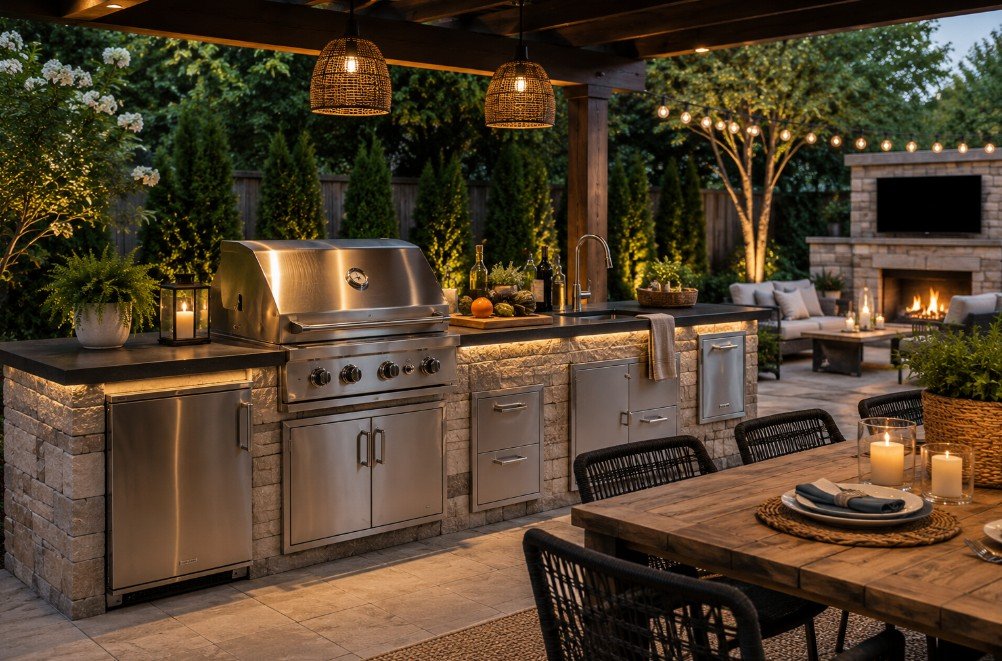
Outdoor kitchens have become an increasingly popular addition to many homes, blurring the line between indoor comfort and outdoor enjoyment. Whether viewed as a symbol of luxury or a practical upgrade to traditional backyard living, these culinary spaces offer more than just aesthetic appeal. Understanding the benefits and considerations of outdoor kitchens can help homeowners decide if this investment aligns with their lifestyle and needs.
Affiliate disclosure: Some links in this article are affiliate links. If you make a purchase through an affiliate link, I may earn a commission at no additional cost to you. As an Amazon Associate I earn from qualifying purchases.
Understanding the Appeal of Outdoor Kitchens
Outdoor kitchens expand living space and create a dedicated area for cooking and entertaining outside the confines of the home. They typically include built-in grills, countertops, sinks, refrigerators, and storage options, all designed to withstand outdoor conditions. This setup allows for convenient meal preparation without having to shuffle back and forth to the indoor kitchen.
From a lifestyle perspective, outdoor kitchens encourage social interaction by making gatherings more engaging and inclusive. Guests can mingle around the cooking area while food is being prepared, breaking down barriers between host and visitor. Additionally, cooking outside keeps heat, smoke, and odors out of the house, which can be particularly beneficial during warmer months.
Practical Benefits Beyond Luxury
While outdoor kitchens often carry a reputation for luxury, their practical advantages are substantial. For instance, they enhance the home’s functionality by providing a seamless flow for outdoor entertaining. Families can enjoy alfresco dinners, weekend barbecues, or casual snacks with ease, making outdoor cooking more accessible and enjoyable.
Moreover, outdoor kitchens can increase property value. Real estate experts frequently highlight these spaces as desirable features for potential buyers, especially in regions with favorable climates. A well-designed outdoor kitchen can set a home apart in a competitive market and deliver a return on investment.
Energy efficiency is another practical benefit. Using an outdoor kitchen reduces reliance on indoor appliances like ovens and stovetops, which can generate additional heat and increase cooling costs in the home.
Key Components That Enhance Functionality
Creating a practical outdoor kitchen involves thoughtful selection of components that suit the homeowner’s needs and space. Some common elements include:
- Built-in Grill: The centerpiece for most outdoor kitchens, a high-quality grill provides versatility in cooking methods, from direct grilling to smoking.
- Countertops and Prep Areas: Durable, weather-resistant surfaces such as granite or stainless steel provide ample space for food preparation and serving.
- Sinks and Running Water: Having a sink makes it easier to clean and prep food without going indoors.
- Refrigeration: A compact refrigerator keeps beverages and perishable ingredients within reach, enhancing convenience.
- Storage Cabinets: Weatherproof storage helps organize utensils, cookware, and supplies, contributing to a clutter-free environment.
Selecting materials designed to withstand outdoor elements is essential for maintaining longevity and reducing maintenance needs.
Designing for Usability and Comfort
A practical outdoor kitchen should be designed with user comfort and convenience in mind. Proper layout planning maximizes efficiency by allowing smooth movement between cooking, preparation, and serving zones. The “work triangle” concept, commonly used in indoor kitchen design, can be adapted for outdoor use to ensure easy access to the grill, sink, and refrigerator.
Shade and shelter are important considerations to protect the cooking area and guests from sun and rain. Pergolas, retractable awnings, or umbrellas can provide comfort without sacrificing openness. Additionally, incorporating adequate lighting extends usability into the evening, making the space versatile for different occasions.
Seating arrangements should promote social interaction while accommodating the number of expected guests. Bar-height counters or nearby dining tables can create inviting spaces for meals and conversation.
Maintenance and Longevity Considerations
To keep an outdoor kitchen functional and attractive, regular maintenance is key. Materials like stainless steel resist rust but still require cleaning to prevent buildup and stains. Stone or concrete surfaces should be sealed periodically to guard against weather damage.
Covering appliances when not in use helps protect against dust, moisture, and pests. Homeowners should also routinely inspect plumbing and electrical components to avoid issues that could disrupt use. Investing time in upkeep ensures the outdoor kitchen remains a practical asset rather than a maintenance burden.
Cost Factors and Budget Planning
The cost of an outdoor kitchen varies widely depending on size, materials, and included amenities. While some homeowners opt for simple setups with portable grills and minimal cabinetry, others invest in fully equipped spaces with custom stonework and high-end appliances.
Budget planning should account for installation expenses such as plumbing, electrical hookups, and any necessary permits. Considering long-term value rather than just initial costs helps ensure the investment aligns with lifestyle goals.
Final Thoughts
Outdoor kitchens offer a compelling blend of luxury and practicality, transforming outdoor living spaces into functional areas for cooking, dining, and socializing. Beyond their stylish appeal, they provide tangible benefits such as increased home value, improved entertaining flow, and energy savings. Homeowners who prioritize usability, comfort, and maintenance will find outdoor kitchens to be a worthwhile enhancement that enriches daily living and gatherings alike.
For those considering this upgrade, focusing on durable materials, efficient layout, and weather protection will maximize the return on investment and enjoyment. Whether used for casual family meals or lively social events, outdoor kitchens remain a popular choice for enhancing the versatility and appeal of outdoor living spaces. Taking the time to plan thoughtfully ensures the outdoor kitchen remains a practical, enjoyable feature for years to come.