
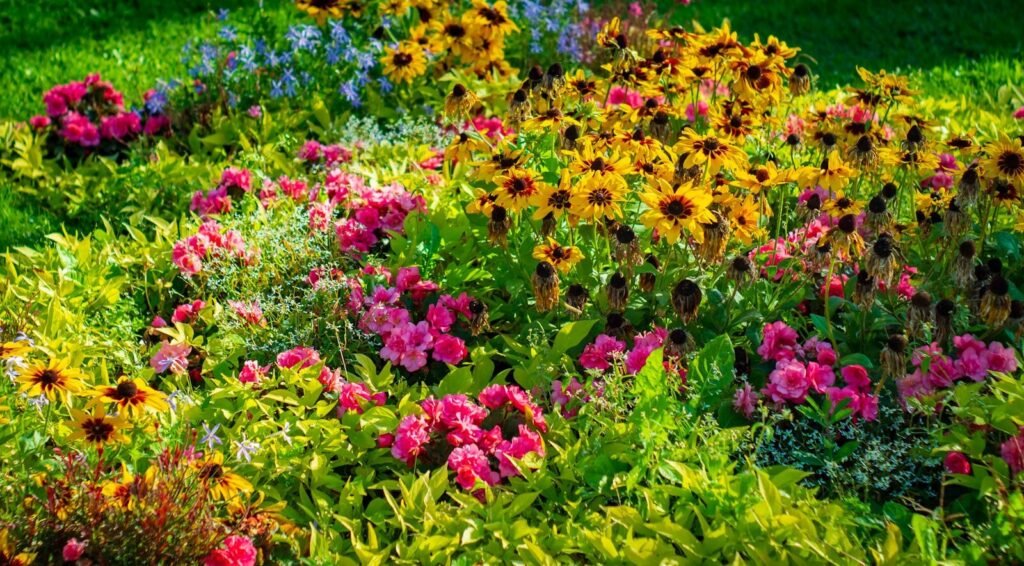
Perennials that thrive in Texas heat are essential for gardeners looking to maintain vibrant, low-maintenance landscapes through scorching summers. With the Lone Star State’s intense sun and often dry conditions, choosing plants that can tolerate full sun and drought is key to long-lasting beauty and sustainability. This guide highlights ten perennials that shine in Texas heat, offering both resilience and striking appearance.
1. Salvia
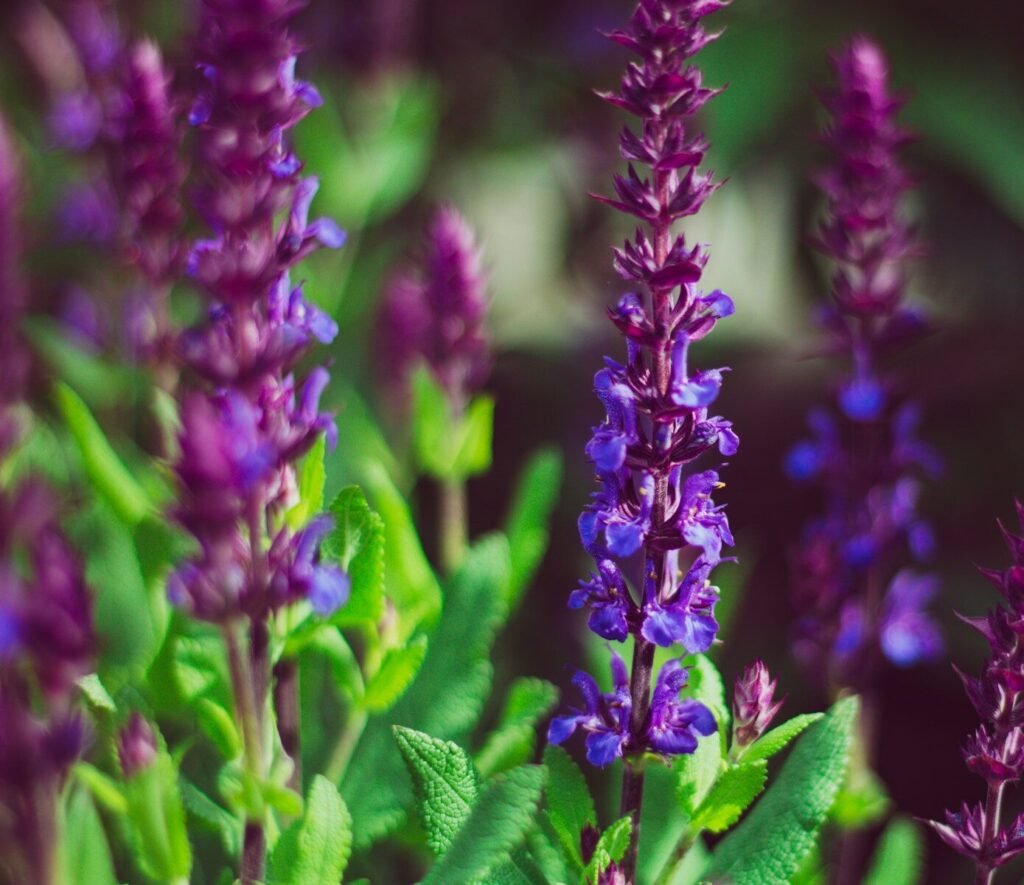
Salvia is a popular choice for hot climates thanks to its vibrant spikes of purple, red, or blue flowers and aromatic foliage. This perennial thrives in full sun and well-drained soil, making it an excellent drought-tolerant option for Texas gardens. It also attracts pollinators like hummingbirds and butterflies, adding life to any outdoor space.
Why it stands out: Salvia’s ability to flourish with minimal water and intense sunlight makes it a reliable, colorful staple for gardeners facing Texas heat.
2. Sedum
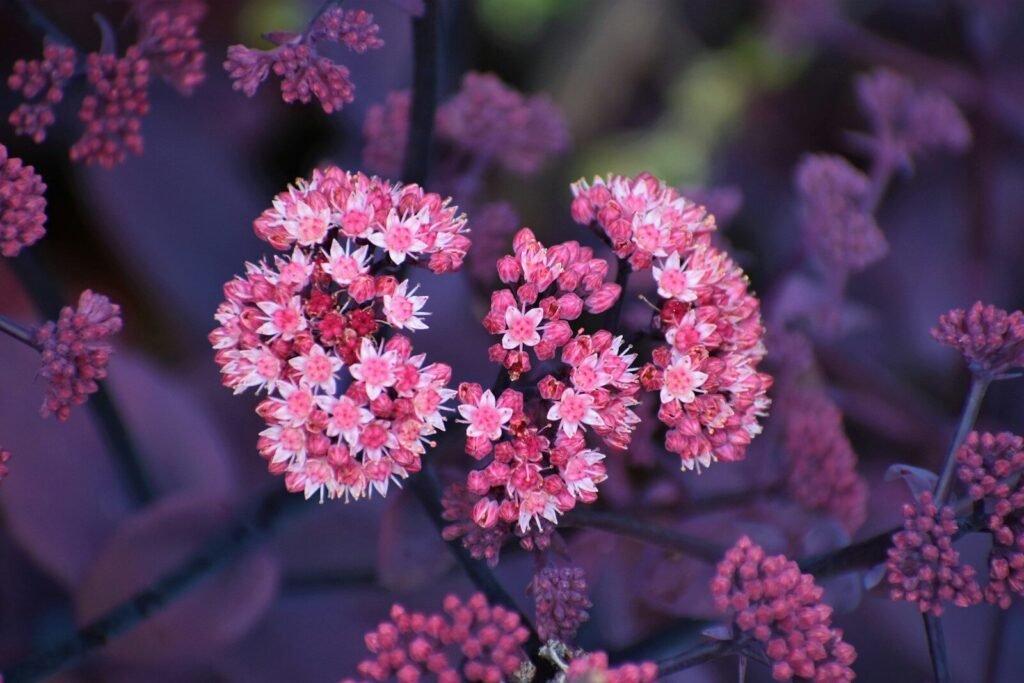
Sedum, often called stonecrop, is a succulent perennial known for its fleshy leaves and clusters of star-shaped flowers. It requires very little water and can withstand poor soil conditions, thriving in full sun. Sedum is ideal for ground cover or rock gardens, adding texture and interest without demanding much care.
Why it stands out: Sedum’s remarkable drought tolerance and low upkeep make it perfect for gardeners seeking tough, water-wise plants that still offer seasonal blooms.
3. Coneflower / Echinacea
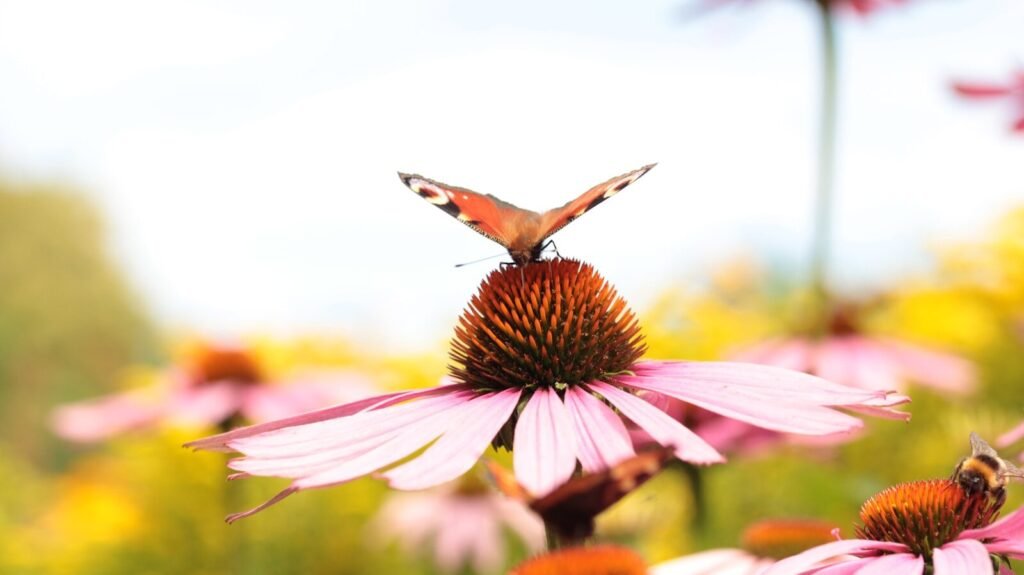
Coneflower, or Echinacea, features daisy-like flowers with raised centers that bloom in shades of pink, purple, and white. This perennial adapts well to Texas heat and drought once established. It’s also prized for attracting bees and butterflies, contributing to a healthy pollinator habitat.
Why it stands out: Coneflower’s resilience, paired with its natural pest resistance and pollinator appeal, makes it an excellent, budget-friendly heat champion.
4. Black-eyed Susan
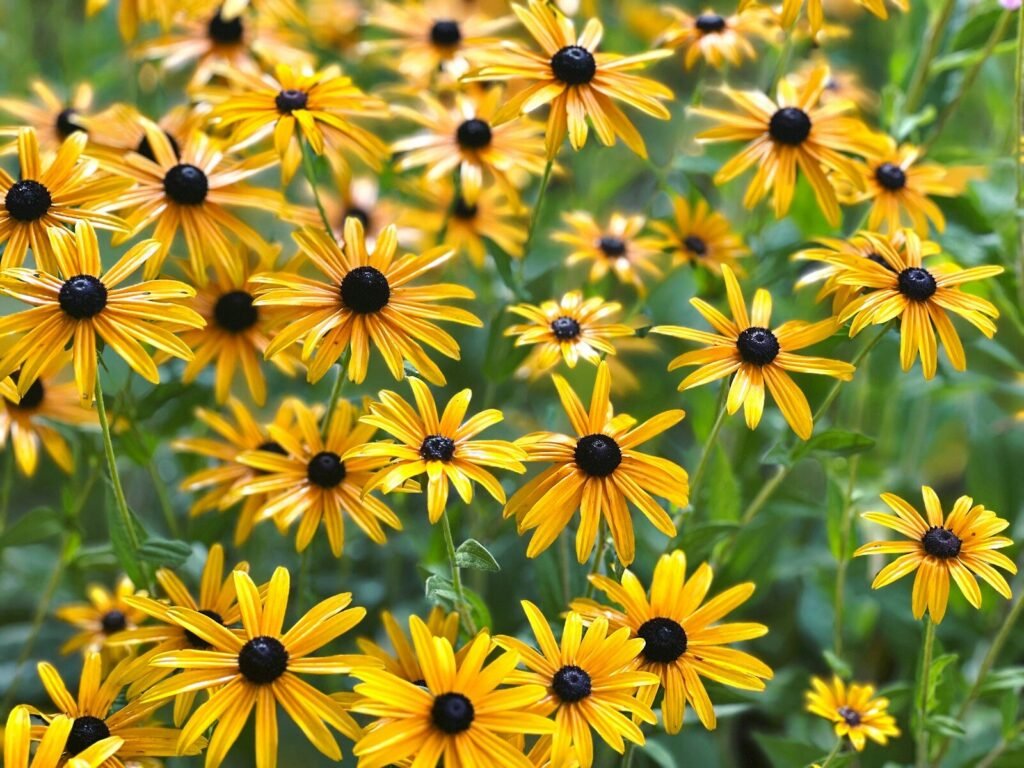
The Black-eyed Susan is a cheerful perennial displaying bright yellow petals surrounding a dark brown center. It thrives in full sun and tolerates dry spells, often blooming from early summer to fall. Its long-lasting flowers brighten landscapes while requiring little fuss.
Why it stands out: This plant’s vibrant blooms, combined with its toughness and extended flowering period, provide consistent color and low maintenance.
5. Yarrow
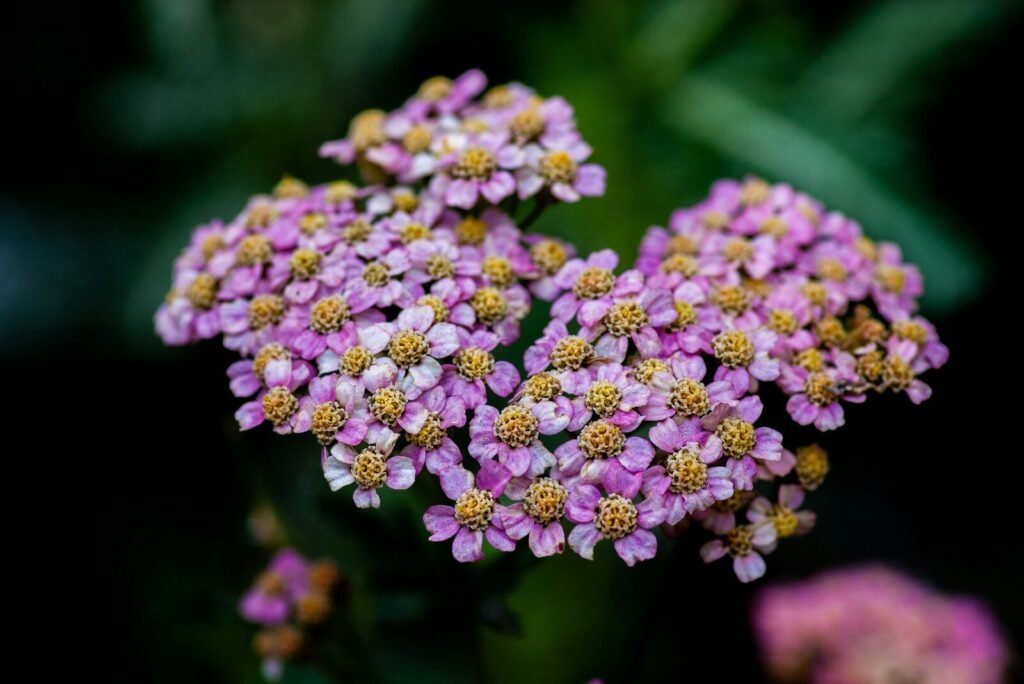
Yarrow is a hardy perennial with fern-like foliage and flat-topped clusters of flowers in white, yellow, or pink. It thrives in dry, sunny conditions and is resistant to pests and diseases. Yarrow’s long-lasting blooms attract beneficial insects and add a delicate texture to garden beds.
Why it stands out: Yarrow’s ability to withstand drought and poor soil conditions while supporting pollinators makes it a smart choice for eco-conscious gardeners.
6. Gaillardia
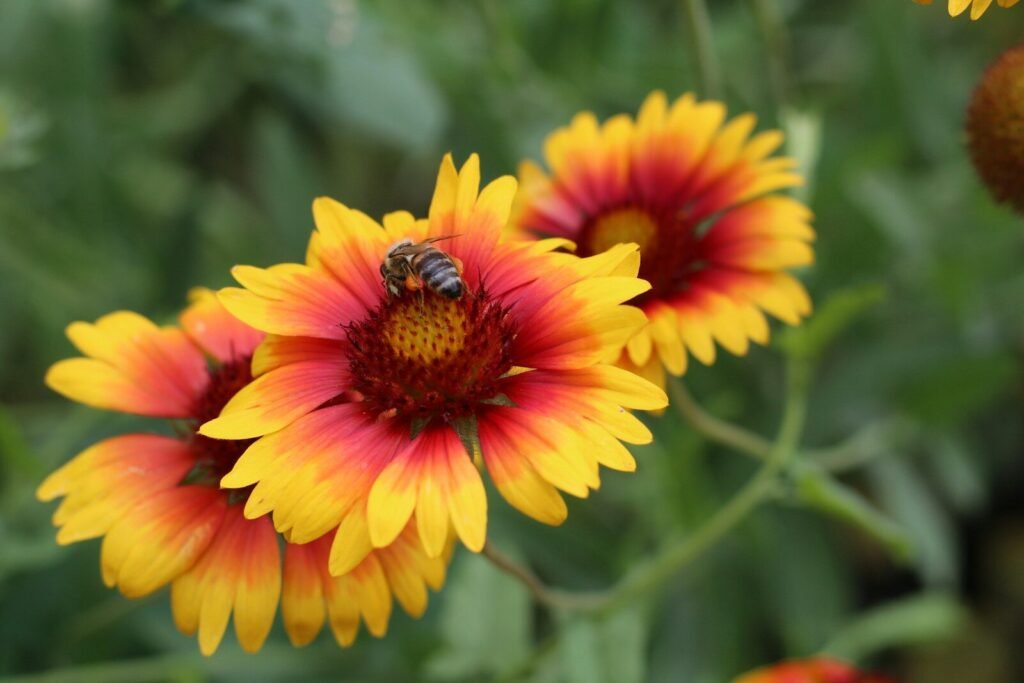
Gaillardia, commonly known as blanket flower, bursts with vibrant red and yellow blooms resembling flames. It tolerates heat and drought exceptionally well and blooms profusely through summer. This perennial adds lively color to borders and containers alike.
Why it stands out: Gaillardia’s bright, long-lasting flowers, combined with its minimal water needs, deliver eye-catching appeal without extra effort.
7. Ornamental Grass
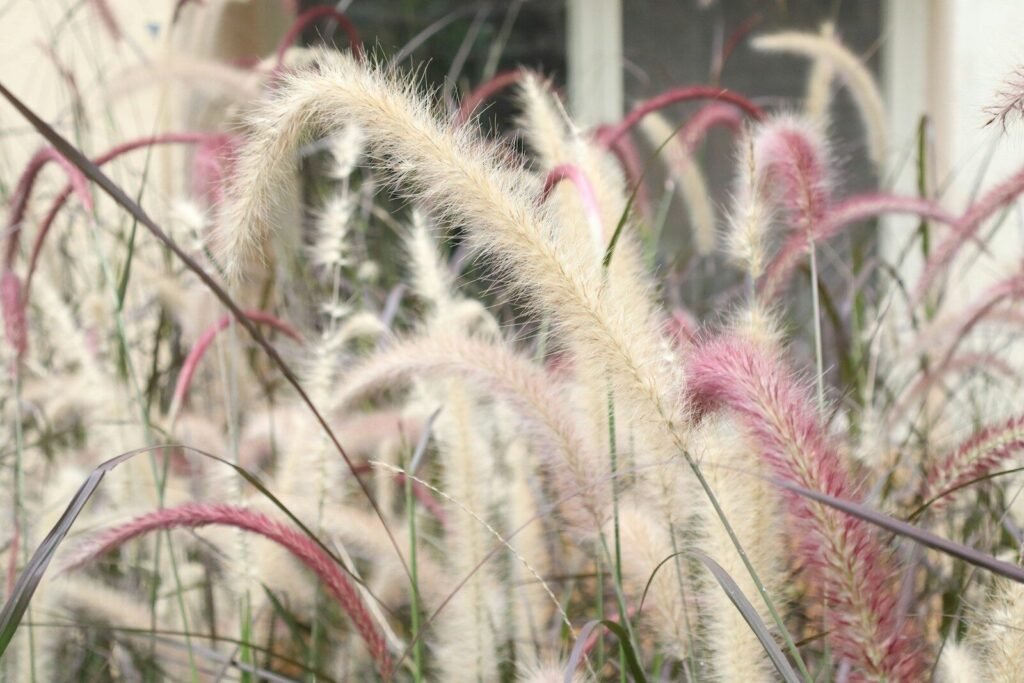
Ornamental grasses bring movement and texture to gardens, thriving under the Texas sun with minimal water. Varieties like blue fescue or muhly grass offer soft foliage and dramatic plumes that sway gracefully in the breeze. These grasses also require little fertilization and resist drought effectively.
Why it stands out: Ornamental grasses provide structural interest and durability, making them versatile, low-maintenance additions to heat-tolerant landscapes.
8. “Russion Sogo” / Russian Sage
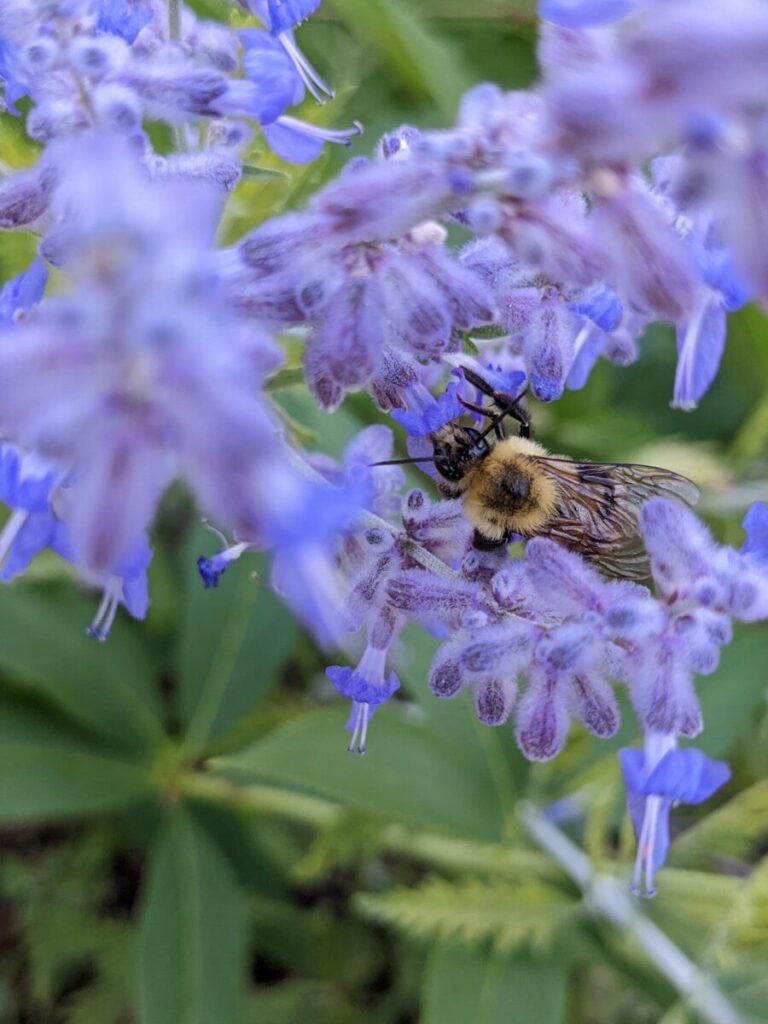
Russian Sage, including the “Russion Sogo” variety, produces wispy, aromatic foliage and tall spikes of lavender-blue flowers. It thrives in full sun and well-drained soil, tolerating drought conditions common in Texas. Its airy appearance adds elegance to mixed borders and rock gardens.
Why it stands out: This plant’s drought resilience, combined with its long bloom period and aromatic qualities, makes it a standout for hot, dry gardens.
9. Daylilies
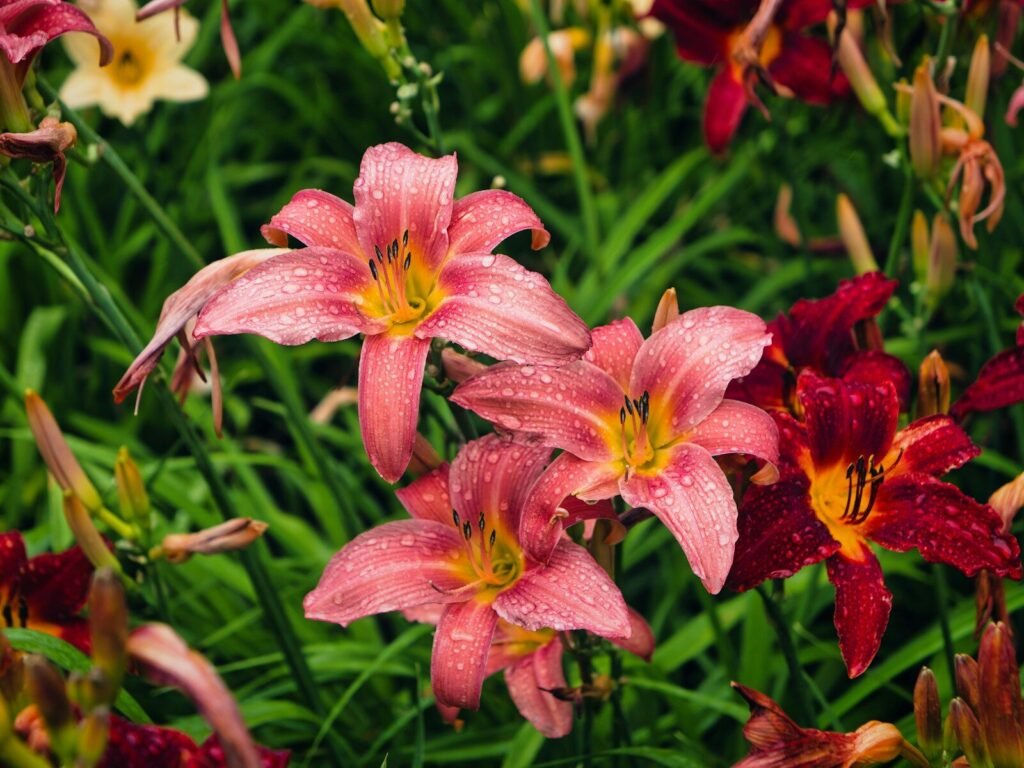
Daylilies are versatile perennials known for their trumpet-shaped flowers and grass-like leaves. While they prefer full sun, they appreciate steady watering or well-draining soil to thrive under Texas conditions. With many varieties available, they offer a broad range of colors and bloom times.
Why it stands out: Daylilies provide dependable blooms and adaptability, making them ideal for gardeners willing to provide moderate care for continuous color.
10. Shasta Daisy
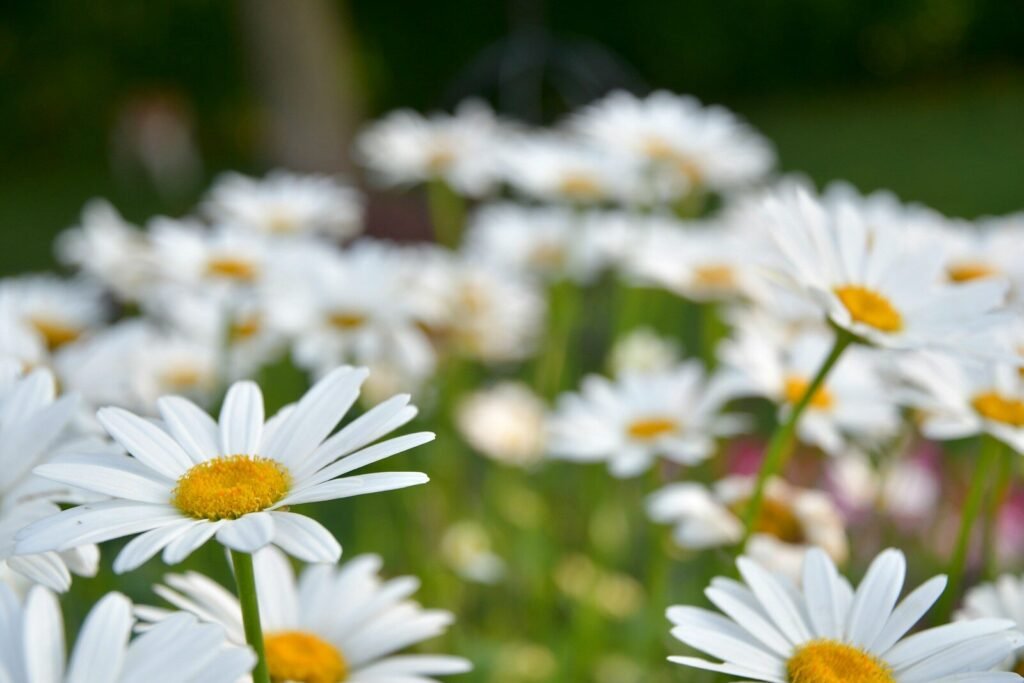
Shasta Daisy features classic white petals with yellow centers, creating a fresh, clean look in garden beds. It prefers sunny spots with consistent moisture or well-draining soil to flourish. Shasta Daisy blooms profusely in summer and attracts pollinators like bees.
Why it stands out: Its cheerful blooms and moderate water needs make it a practical choice for adding brightness while efficiently managing irrigation.
11. Lamb’s Ear
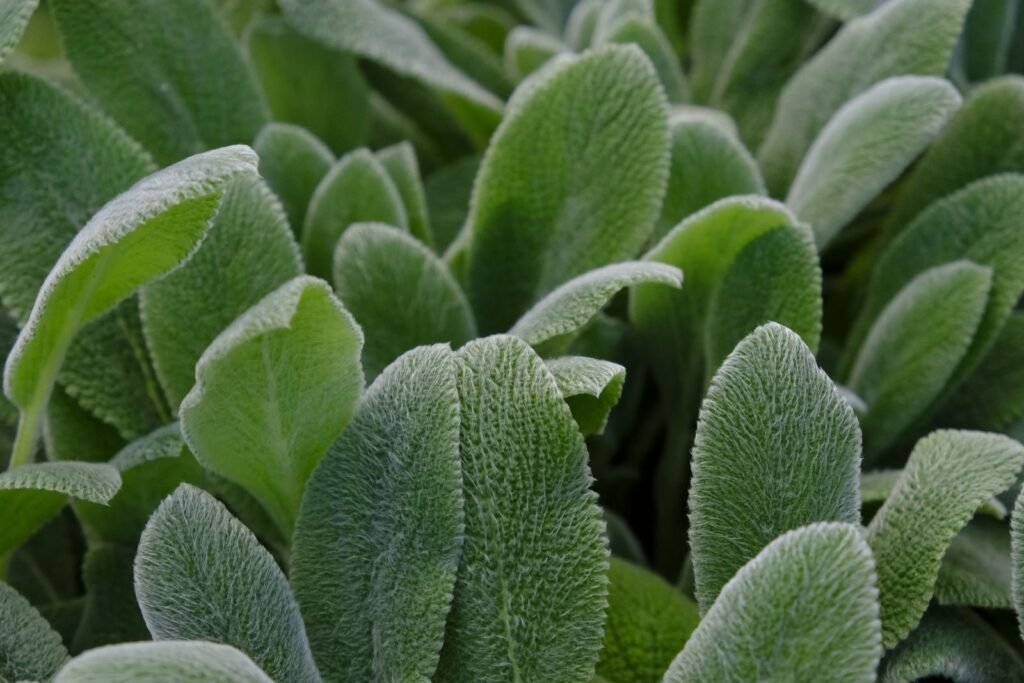
Lamb’s Ear features velvety, silver-gray leaves that create a striking contrast in any garden bed. It thrives in hot, dry conditions, often becoming a go-to ground cover for Texas gardeners seeking texture without extra water. Its soft foliage also makes it appealing for sensory gardens.
Why it stands out: Lamb’s Ear excels in heat tolerance and drought resistance, providing a lush, tactile element that stays attractive even in prolonged Texas summers.
12. Catmint
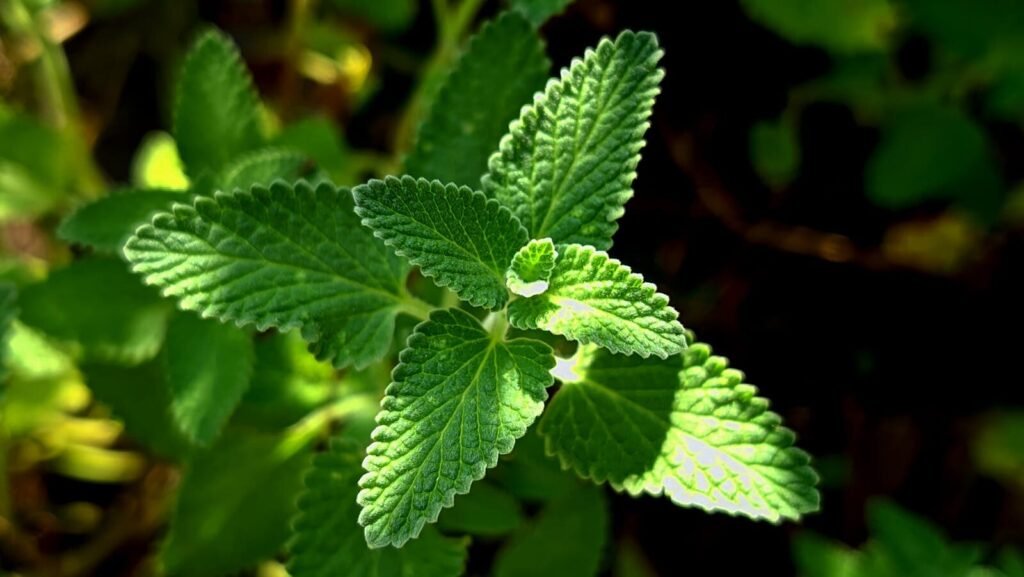
Catmint produces clusters of small, fragrant purple flowers atop gray-green foliage, attracting pollinators like bees and butterflies. It blooms profusely during hot months and requires minimal watering once established, making it ideal for sunny Texas yards.
Why it stands out: Its long blooming period, combined with low water needs, helps gardeners maintain color and vitality without intensive upkeep.
13. Coreopsis
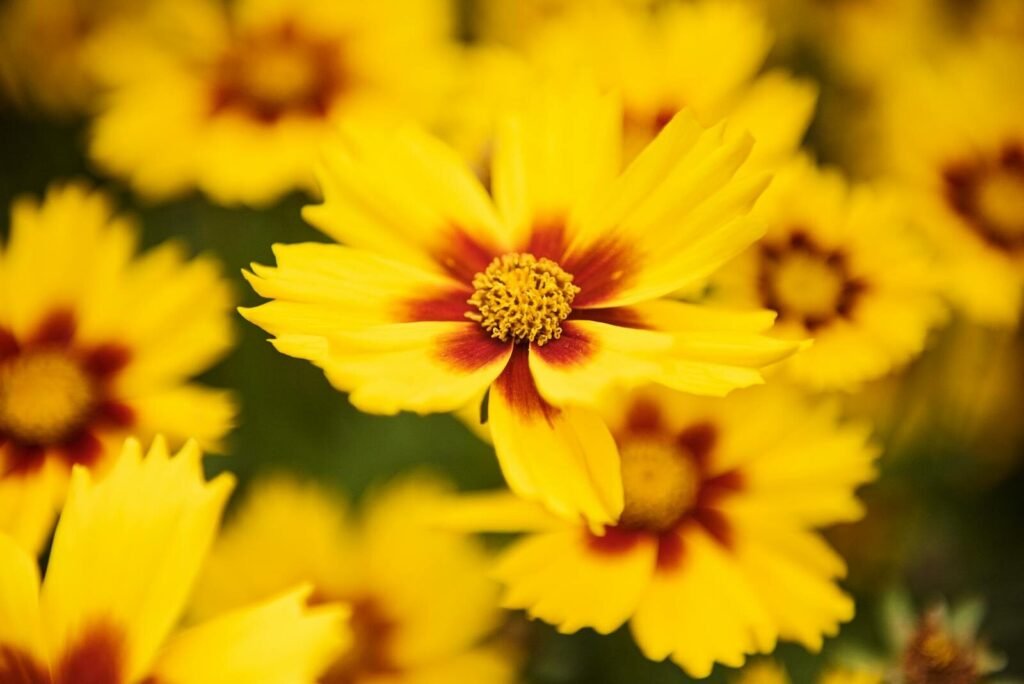
Coreopsis, often called tickseed, offers bright yellow flowers that light up the garden throughout summer. It tolerates poor soils and drought, thriving in full sun where many other perennials struggle. This hardy plant also attracts butterflies, adding life to outdoor spaces.
Why it stands out: Coreopsis’s resilience and cheerful blooms deliver consistent color with minimal fuss under Texas heat.
14. Dianthus
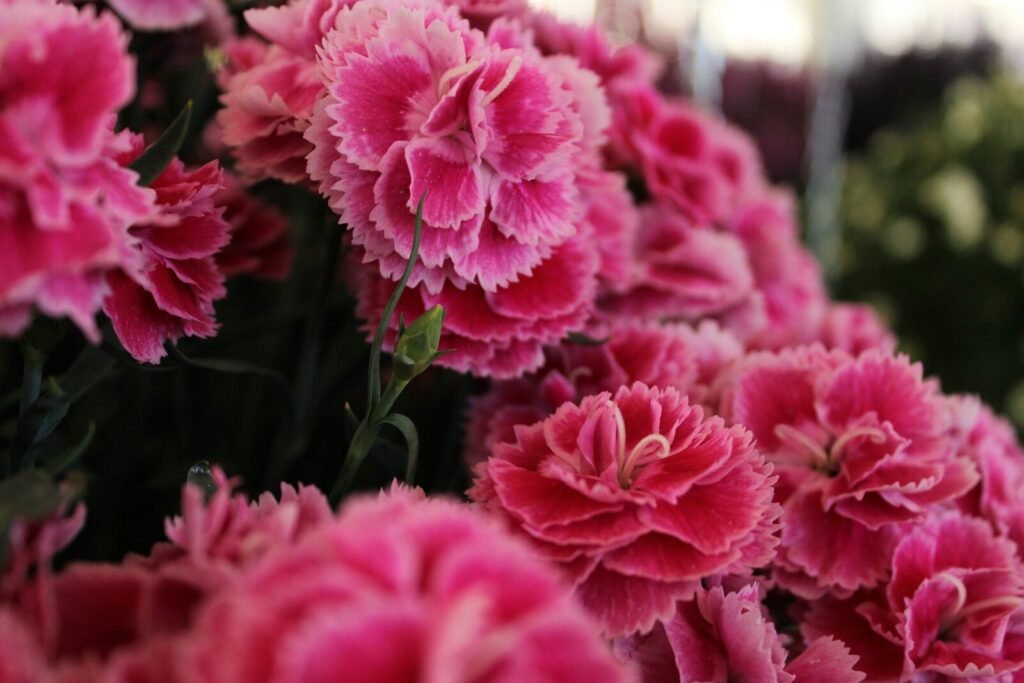
Dianthus is prized for its fragrant, often pink or red flowers that bloom in clusters atop slender stems. It prefers well-drained soil and sunny spots, and it can handle Texas heat when watered moderately. Its compact growth habit makes it perfect for borders and containers.
Why it stands out: Dianthus combines heat tolerance with delightful fragrance, adding sensory appeal to hot gardens.
15. Summer Phlox
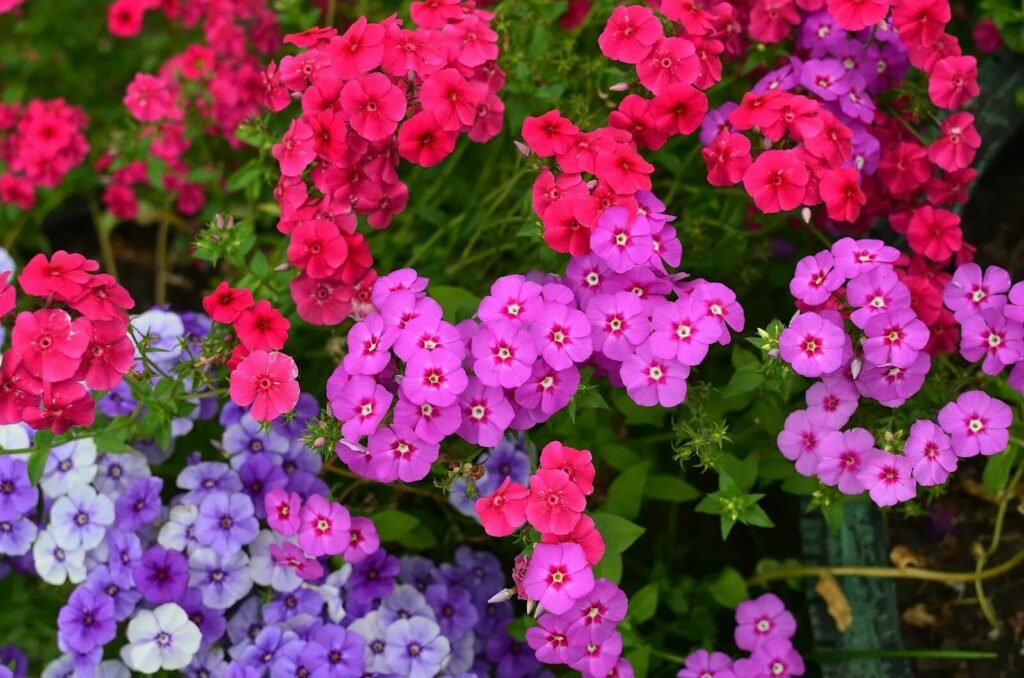
Summer Phlox produces fragrant, star-shaped flowers in shades of pink, white, or red that bloom profusely in summer heat. It prefers well-drained soil and can withstand intense sun, bringing long-lasting color to Texas landscapes.
Why it stands out: Its vibrant blooms and scent enrich garden spaces during the hottest months without demanding excessive care.
Final Thoughts
Texas summers can be tough on plants, but knowing which perennials will thrive in the heat can keep your landscape colorful and healthy even during extended periods of heat and drought. From the pollinator-friendly blooms of Salvia and Coneflower to the striking texture of Lamb’s Ear and Ornamental Grasses, these resilient plants prove that beauty and durability can go hand in hand.
Whether you’re designing a new flower bed or refreshing an existing landscape, the right selection can reduce maintenance, conserve water, and provide reliable color year after year. With a mix of flowering favorites and hardy foliage plants, you can create an outdoor space that remains vibrant through even the hottest months of the year.