
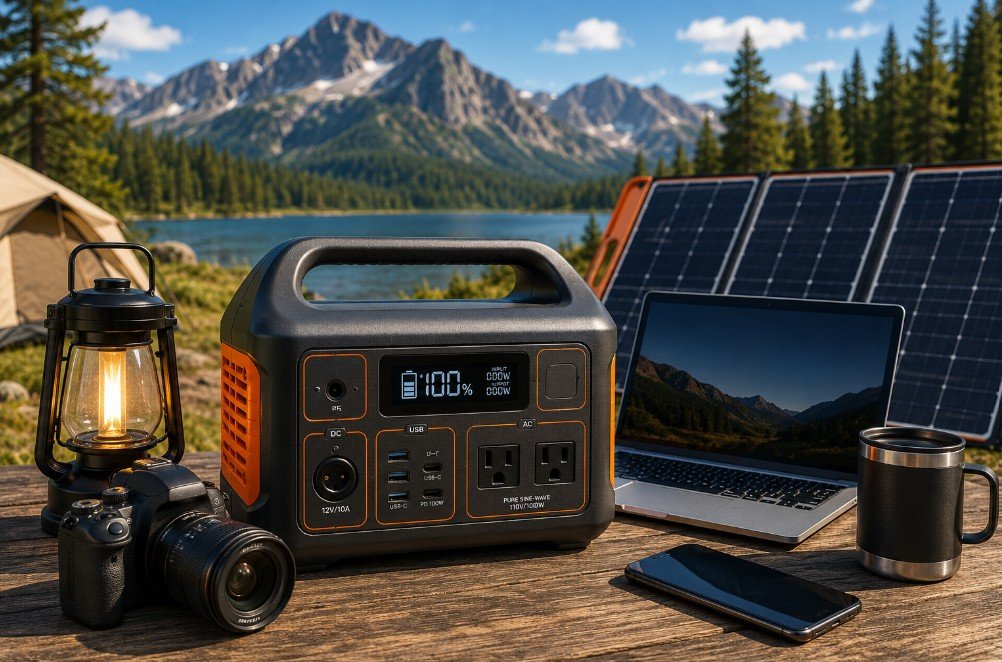
Portable power stations have become essential gear for anyone needing reliable, mobile electricity. Whether for camping trips, RV adventures, emergency backups, or remote work, choosing the right size and features is critical to getting the most out of this investment. This buying guide focuses on how to select a portable power station tailored to your specific needs, helping you avoid common pitfalls while maximizing performance and convenience.
Understanding Battery Capacity (Wh) and Suitable Sizes
Battery capacity, measured in watt-hours (Wh), indicates how much energy a portable power station can store. This metric directly relates to how long and how many devices it can power before recharging.
- Under 200 Wh: Ideal for charging small electronics like smartphones, tablets, and laptops. Great for day hikes, short camping trips, or as a backup for essential devices.
- 200 to 500 Wh: Suitable for longer camping excursions and RV users running several small devices and appliances such as mini-fridges, CPAP machines, or LED lighting.
- 500 to 1,000 Wh: Good for moderate power needs including running medium appliances, more extended off-grid work, or emergency home use for devices like TVs, fans, or small kitchen gadgets.
- Above 1,000 Wh: Best for heavy-duty applications such as powering multiple large appliances, longer RV stays, or extended emergency backup scenarios.
Choosing the right capacity depends on both the devices you need to power and how long you want to run them without recharging.
Continuous Wattage vs Surge Wattage
Portable power stations list two wattage ratings: continuous and surge.
- Continuous wattage is the maximum power the station can supply steadily. This determines if it can run your devices without shutting down.
- Surge wattage is the short burst of extra power available to start devices with high startup demands, like power tools or refrigerators.
For example, a refrigerator might require 150 watts running but 600 watts to start. A power station with 300 watts continuous and 600 watts surge can handle this. Always choose a station with continuous wattage above your highest device’s running wattage and a surge wattage sufficient to cover startup peaks.
Battery Chemistry: LiFePO4 vs Lithium-Ion
Two main battery chemistries dominate portable power stations:
- Lithium-Ion: Popular for being lightweight and offering high energy density. They tend to be cheaper but have shorter lifespans and degrade faster after repeated charge cycles.
- LiFePO4 (Lithium Iron Phosphate): Known for longer cycle life (often over 2,000 cycles), greater thermal stability, and enhanced safety. Typically heavier and pricier but preferred for frequent or long-term use.
If you plan to use the power station daily or for years to come, investing in LiFePO4 can pay off with its durability and safety.
Ports and Connections: What to Look For
The variety and number of output ports determine how versatile your power station will be.
- AC outlets: Essential for powering household devices and appliances. Check the number and type (standard or pure sine wave).
- USB-A ports: Common for charging phones, cameras, and other small devices.
- USB-C ports: Increasingly popular for fast charging laptops, tablets, and newer phones. Look for Power Delivery (PD) support for higher wattage.
- DC ports: Useful for automotive accessories or specialized devices.
- Other connections: Some stations offer 12V cigarette lighter ports, wireless charging pads, or even Ethernet ports for network gear.
Consider your devices’ ports and prioritize a power station that matches or exceeds your needs to avoid carrying adapters.
Solar Charging Compatibility
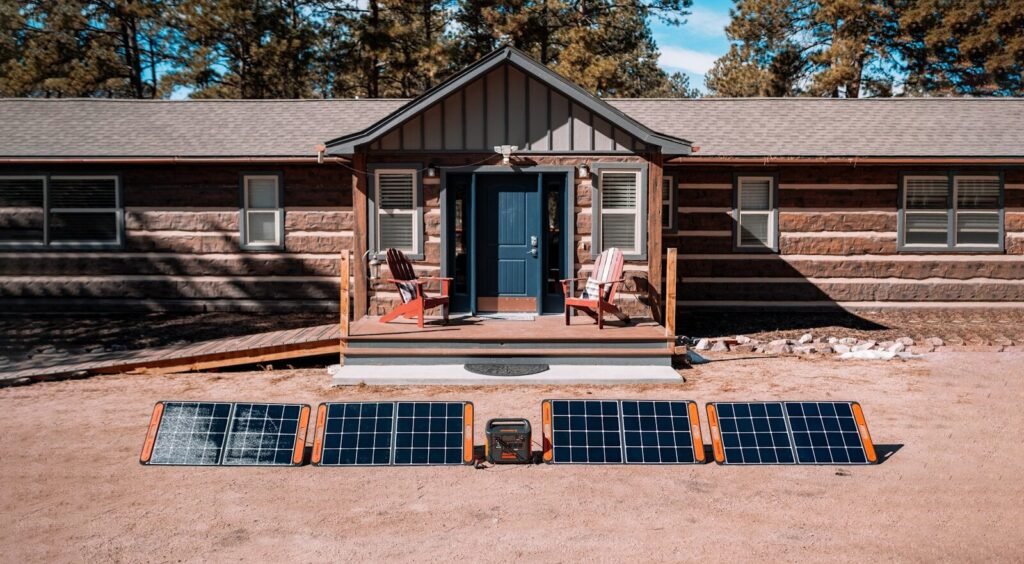
Solar charging is a major advantage for off-grid use. Most portable power stations support solar input, but compatibility varies.
- Check the maximum solar input wattage the station can handle to estimate charging speed.
- Confirm the solar panel connector type (e.g., MC4, Anderson) to ensure compatibility with your solar panels.
- Look for MPPT (Maximum Power Point Tracking) charge controllers, which optimize solar charging efficiency.
If you plan to rely on solar power, selecting a station with fast solar recharge times and broad input compatibility is crucial.
Charging Speeds: How Quickly Can You Replenish Power?
Charging speed is often overlooked but vital, especially on the go.
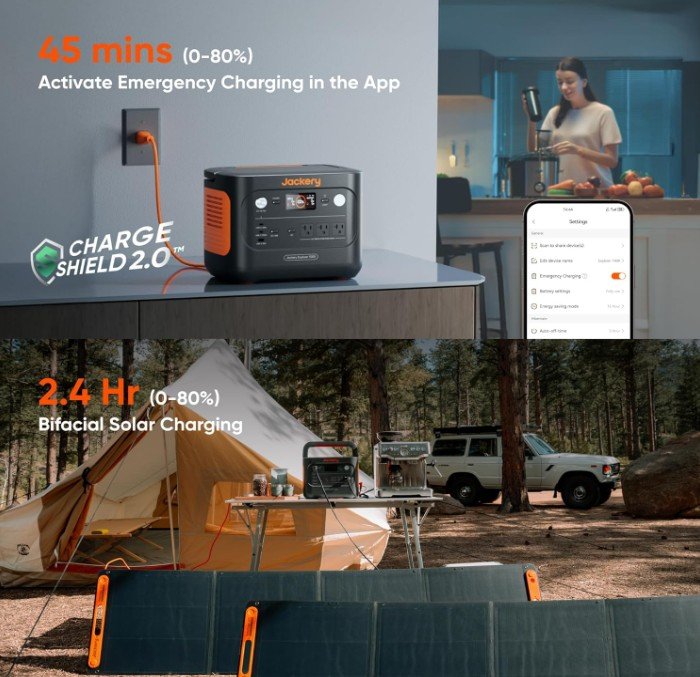
- Wall charging: Some stations can fully recharge in 4-6 hours while others take 8+ hours, depending on capacity.
- Car charging: Useful for road trips but usually slower.
- Solar charging: Highly variable based on sunlight and panel wattage.
Fast recharge capability reduces downtime and enhances usability, so consider your charging options and how quickly you need the station ready again.
Runtime Examples for Common Devices
Understanding real-world runtimes helps choose the right capacity.
- Smartphone (3000 mAh battery): Approximately 25-35 full charges per 500 Wh station.
- Laptop (50 Wh battery): Roughly 8-10 hours of use on a 500 Wh power station.
- Mini-fridge (50-70 watts): Can run for 6-10 hours on a 500 Wh battery.
- CPAP machine (~40 watts): Usually runs 8-10 hours on a 500 Wh station.
Calculate your typical device usage and match it against battery capacity to avoid undersizing.
Portability: Balancing Weight and Capacity
There’s a tradeoff between portability and power.
- Smaller units (under 10 lbs) are easy to carry but have limited capacity.
- Larger units (20+ lbs) provide more power but reduce mobility.
Choose based on your use case: hikers and day campers prioritize weight, while RV users or emergency planners may prioritize capacity and durability.
Weather Resistance and Durability
If you intend to use your power station outdoors or in rugged conditions, weather resistance matters.
- Look for IP ratings indicating dust and water resistance.
- A durable casing protects against drops and impacts.
- Some models include rubberized edges or carry cases for extra protection.
These features extend lifespan and usability in diverse environments.
Safety Features to Prioritize
Safety is paramount in portable power stations.
- Overload protection prevents damage from drawing too much power.
- Short circuit protection guards against electrical faults.
- Temperature control avoids overheating during use or charging.
- Battery management system (BMS) optimizes battery health and prevents unsafe conditions.
Verify that the station includes comprehensive safety features certified by relevant standards.
Warranty Considerations
A solid warranty reflects manufacturer confidence and protects your investment.
- Typical warranties range from 1 to 3 years.
- Check what the warranty covers (battery, electronics, ports).
- Consider customer support reputation and service availability.
Longer warranty periods and responsive support can be especially valuable if you rely heavily on your station.
Common Buying Mistakes to Avoid
- Undersizing capacity: Leading to frustration with frequent recharging or insufficient runtime.
- Ignoring surge wattage: Resulting in devices that won’t start or cause shutdowns.
- Overlooking port variety: Forcing extra adapters or limiting device compatibility.
- Skipping solar compatibility: Missing out on extended off-grid use.
- Neglecting weight: Buying a heavy station that’s impractical to carry.
Carefully matching specs and features to your actual needs prevents these pitfalls.
Choosing the Right Portable Power Station for Your Needs
Different use scenarios require different priorities:
- Camping: Focus on portability (under 500 Wh), multiple USB ports, solar compatibility, and moderate AC output.
- RV use: Larger capacity (500-1,000+ Wh), high surge wattage, multiple AC outlets, and car charging ability.
- Emergency backup: High capacity (1,000+ Wh), robust safety features, multiple AC and DC ports, and durable weather resistance.
- Home use: Consider the capacity for essential appliances, pure-sine-wave AC outlets, and wall-charging speed.
- Remote work: Prioritize USB-C fast charging, quiet operation, and portability for easy transport.
Tailoring your choice to these needs ensures efficiency and satisfaction.
Buying Checklist
Before purchasing, confirm the following:
- Battery capacity matches your device power and runtime needs.
- Continuous and surge wattages cover your highest-demand devices.
- Battery chemistry suits your usage frequency and lifespan expectations.
- Ports include all necessary types (AC, USB-A, USB-C, DC).
- Solar charging compatibility aligns with your solar panels and input limits.
- Charging speeds fit your recharge timeframe.
- Weight and size are manageable for your intended use.
- Weather resistance and durability meet your environment.
- Safety features provide comprehensive protection.
- Warranty terms offer adequate coverage and support.
- Avoid common mistakes by thoroughly assessing your power requirements.
Final Thoughts
Selecting the right portable power station is more than just picking the highest capacity or lowest price. It requires a clear understanding of your power needs, device requirements, and how you plan to use the unit. By carefully considering battery size, wattage ratings, port options, charging capabilities, and build quality, buyers can find a power station that delivers reliable, convenient energy wherever it’s needed most.
This guide helps cut through confusion and common errors, empowering buyers to make informed decisions that balance portability, power, and durability. With the right power station, staying connected and powered up becomes effortless—whether in the wilderness, on the road, or at home during unexpected outages. Investing time upfront to choose wisely ensures peace of mind and energy independence for years to come.