
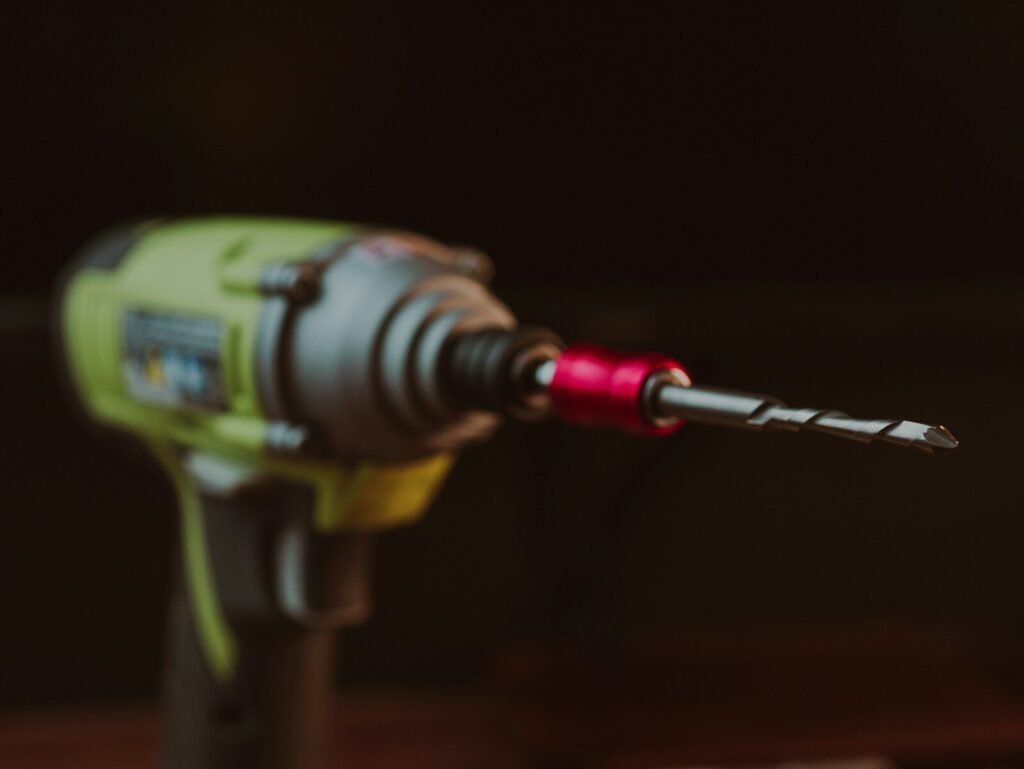
Choosing the right drill for your needs is essential whether you are a DIY enthusiast, a professional contractor, or just someone looking to tackle home improvement projects. With so many types of drills and features available on the market, making an informed decision can feel overwhelming. This guide breaks down key considerations and practical advice to help identify the ideal drill that fits your tasks, budget, and skill level. This is especially true when it comes to how to choose the right drill for your needs.
Affiliate disclosure: Some links in this article are affiliate links. If you make a purchase through an affiliate link, I may earn a commission at no additional cost to you. As an Amazon Associate I earn from qualifying purchases.
What to Know Before Choosing a Drill
The first step in selecting a drill is understanding the main types available and what each one is best suited for.
- Corded drills: These plug directly into an electrical outlet, providing continuous power without worrying about battery life. They are typically lighter and more affordable, but limit mobility. Corded drills are ideal for heavy-duty tasks where consistent power is required.
Amazon’s Choice for Coded Drills - Cordless drills: Powered by rechargeable batteries, cordless drills offer portability and convenience. Improvements in battery technology have made them strong enough for most household and professional tasks, making them a versatile option for both indoor and outdoor use.
Amazon’s #1 Top-Rated Cordless Drill - Hammer drills: Designed for drilling into hard materials like concrete, brick, or masonry. The hammering action helps break up tough surfaces while the bit rotates, making these drills essential for construction or renovation work.
Amazon’s Choice for Hammer Drill - Impact drivers: Built for high torque, impact drivers are designed to drive screws, bolts, and fasteners efficiently. While they can drill, their primary strength is fastening, making them a go-to tool for assembly and structural work.
Best Deal on a Cordless Drill & Impact Driver Set - Right-angle drills: Compact drills with a 90-degree angled head that allow access to tight or confined spaces. These are especially useful for plumbing, electrical work, and cabinetry, where a standard drill won’t fit.
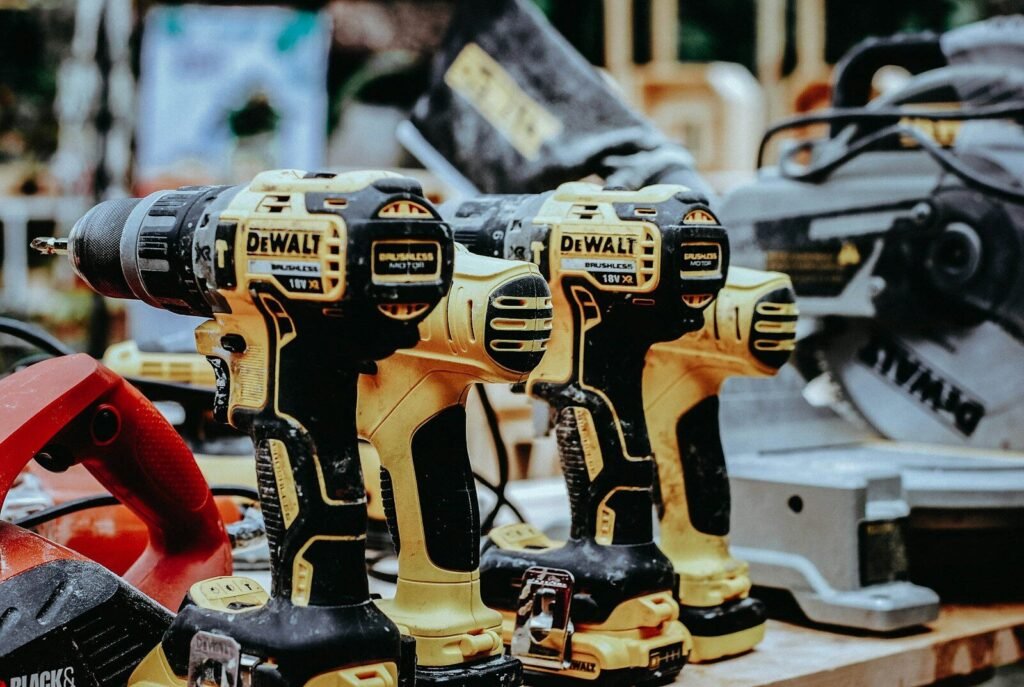
DeWalt Takes Home the Title
Knowing these types helps narrow down the options based on the nature of your projects.
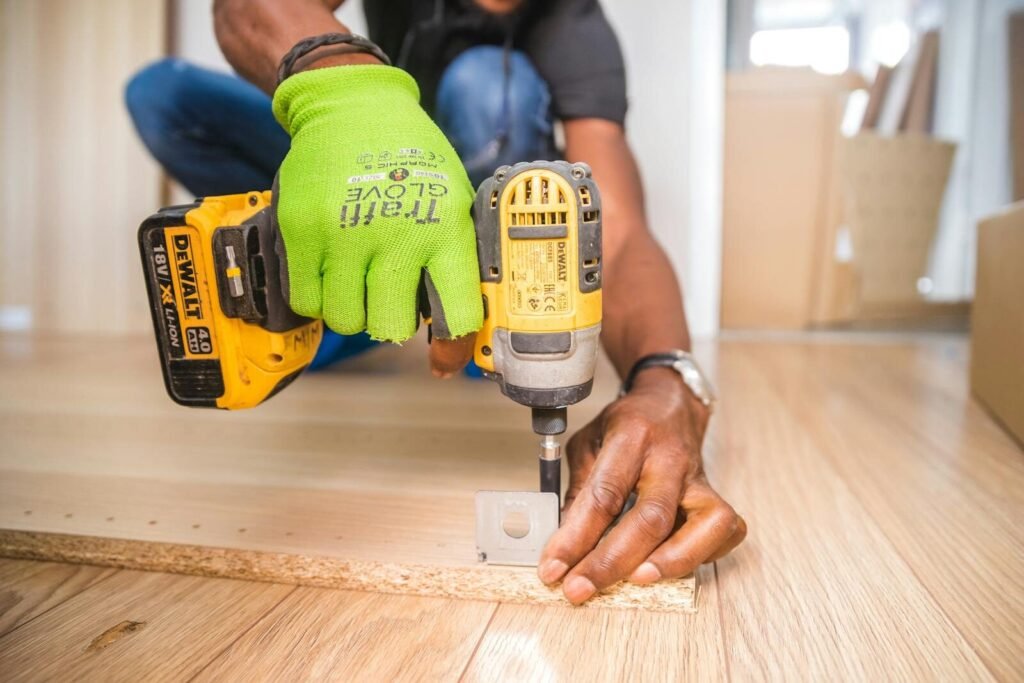
Assessing Power and Battery Options
For cordless drills, power and battery capacity are critical factors influencing performance and usability:
Voltage: Cordless drills commonly range from 12V to 20V or higher. Higher voltage typically means more power and the ability to drill larger holes or work with tougher materials. For light household tasks, a 12V or 14.4V drill might suffice, while 18V to 20V models serve professionals or serious DIYers needing extra muscle.
Battery Type: Lithium-ion batteries have become the standard because they offer longer run times, lighter weight, and no memory effect compared to older nickel-cadmium batteries. Choosing a drill with a lithium-ion battery ensures better efficiency and lifespan.
Battery Capacity (Ah): Ampere-hours (Ah) indicate how long a battery lasts on a single charge. A higher Ah rating means extended usage but can also add to the drill’s weight. For occasional use, a 1.5 to 2.0 Ah battery is sufficient; for heavy or prolonged work, 3.0 Ah or higher is preferable.
Charging Time and Spare Batteries: Fast charging and having an extra battery available minimizes downtime, which is especially beneficial on job sites or during demanding projects.
Corded drills avoid battery concerns but require access to power outlets and may need extension cords for convenience.
Evaluating Drill Features That Matter
Beyond power and type, several features enhance the drill’s functionality and user experience:
Chuck Size and Type: The chuck is the part that holds drill bits. Common sizes are 3/8 inch and 1/2 inch. A 1/2-inch chuck accommodates larger bits for heavy-duty work, while 3/8-inch is sufficient for most household tasks. Keyless chucks allow quick bit changes without tools, improving efficiency.
Speed and Torque Settings: Variable speed control lets you adjust drilling speed to the material and task. Multiple torque settings prevent overdriving screws or damaging surfaces. Some drills include a clutch that disengages the drive when resistance exceeds a set level, protecting both the tool and workpiece.
Ergonomics and Weight: Comfortable grip, balanced design, and manageable weight reduce fatigue during extended use. For overhead or precision work, a lightweight drill with a soft handle grip is advantageous.
Additional Features: Built-in LED lights illuminate dark work areas. Belt clips or magnetic trays keep the drill handy. Brushless motors offer greater efficiency and durability but typically come at a higher price point.
Matching the Drill to Your Projects
Identifying the typical tasks you plan to tackle will guide your choice:
Light Home Use: For assembling furniture, hanging pictures, or drilling into drywall and wood, a compact cordless drill with moderate voltage (12V to 14.4V) and 3/8-inch chuck is sufficient. This setup balances power, affordability, and ease of use.
General DIY and Maintenance: If you frequently handle projects like building shelves, installing fixtures, or minor renovations, an 18V cordless drill with variable speed and a 1/2-inch chuck provides versatility and power.
Heavy-Duty Construction or Renovation: Professionals or serious DIYers working with dense materials benefit from corded drills or high-voltage cordless models with hammer drill functionality. A hammer drill is essential when drilling into concrete or brick.
Fastening Tasks: When your work involves extensive screwing or fastening, pairing a standard drill with an impact driver can improve efficiency and reduce wear on the drill.
Tight Spaces: For working in cramped areas, such as inside cabinets or between joists, consider a right-angle drill to improve access.
Budget Considerations and Longevity
Investing in a quality drill pays off through durability and performance, but budget constraints are real. Here are some pointers:
Avoid very low-cost drills that often compromise on build quality, power, and safety features.
Look for reputable brands known for solid warranties and customer service.
Consider your long-term needs. Spending a little more upfront on a versatile drill with good battery life and features can save money by avoiding premature replacements or additional tools.
Buying a drill kit that includes extra batteries, a charger, and a range of bits can offer better value.
Practical Tips for Getting Started
Test the drill in-store, if possible, to check comfort, weight, and grip.
Read user reviews focusing on reliability and ease of maintenance.
Ensure compatibility with accessories and bits you already own.
Keep safety in mind: use appropriate eye and ear protection, and follow manufacturer guidelines.
Choosing the right drill tailored to your specific needs enhances project efficiency and enjoyment. By understanding drill types, power options, features, and use cases, it becomes easier to select a tool that fits seamlessly into your toolkit and empowers you to tackle any task confidently.