
Taking on DIY projects can be both rewarding and cost-effective, but it’s easy to stumble into common pitfalls that can derail even the most enthusiastic home improvement efforts. Understanding these frequent mistakes and learning how to avoid them is key to successful DIY results. This article highlights some of the most common DIY mistakes and offers practical tips to steer clear of them, helping hobbyists and beginners alike complete projects with confidence and quality. This is especially true when it comes to common DIY mistakes and how to avoid them.
Underestimating Project Complexity and Time
One of the biggest challenges in DIY is misjudging how complex a project truly is. Many people start with enthusiasm but quickly become overwhelmed when tasks take longer or prove more difficult than anticipated.
- Failing to research thoroughly: Skipping detailed research leads to surprises. Taking time to watch tutorials, read instructions, and understand the materials and tools required can provide a realistic picture before starting.
- Ignoring time commitments: DIY projects often take more time than expected. Building in extra time for unexpected delays keeps stress low and motivation high.
- Overlooking skill requirements: Some projects need specific skills or experience. Recognizing when to seek professional help or start with simpler tasks ensures better results and safety.
Using Incorrect or Low-Quality Tools and Materials
Quality tools and materials are foundational to a successful DIY project. Cutting corners here can lead to frustration, poor outcomes, and wasted money.
- Choosing the wrong tool for the job: Using improper tools can damage materials or create safety hazards. Investing in or renting the correct tools is worth the effort.
- Opting for cheapest materials: Low-quality materials may save money upfront but can cause issues like warping, cracking, or fading over time. Selecting reputable brands or materials suited for the project environment improves durability.
- Ignoring maintenance and safety gear: Neglecting protective equipment such as gloves, goggles, and masks puts DIYers at risk. Proper tool upkeep also prolongs their lifespan and performance.
Skipping the Planning and Measuring Stage
Accurate planning and measuring are critical steps that are often rushed or skipped, resulting in mistakes that could have been easily avoided.
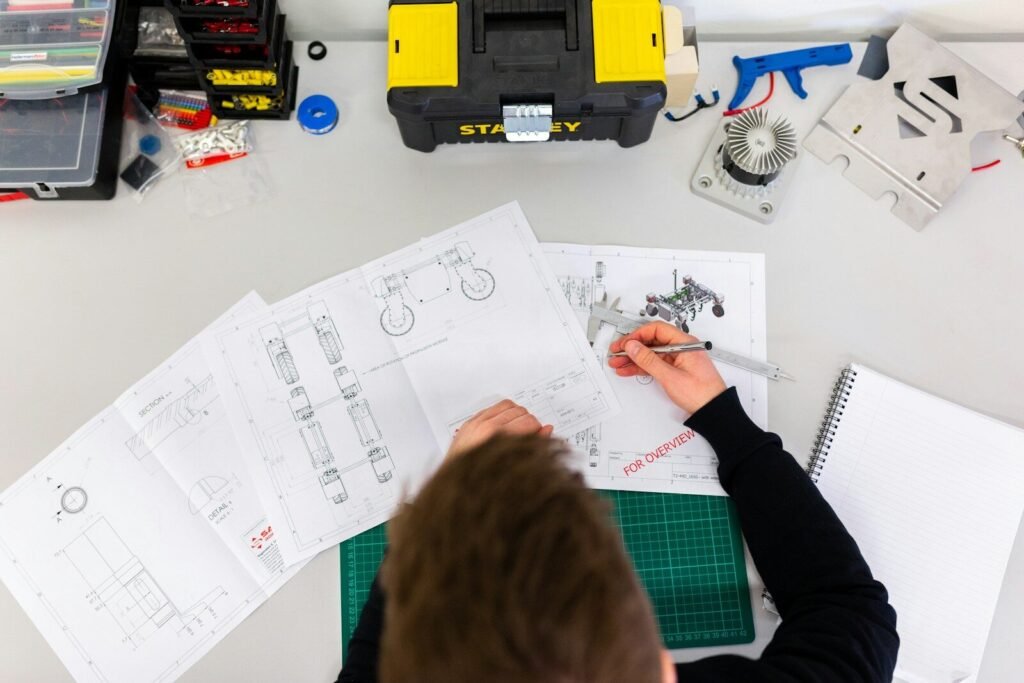
- Failing to create a detailed plan: A clear blueprint or design plan helps visualize the entire project and identify potential challenges early.
- Neglecting precise measurements: Inaccurate measurements can cause misfits, wasted materials, and time-consuming adjustments. Double-checking measurements before cutting or assembling is essential.
- Overlooking layout and space considerations: Ensuring the project fits the intended space and aligns with other room elements prevents costly rework.
Ignoring Safety Protocols
Safety is sometimes underestimated in the excitement of finishing a project, but ignoring it can lead to accidents and injuries.
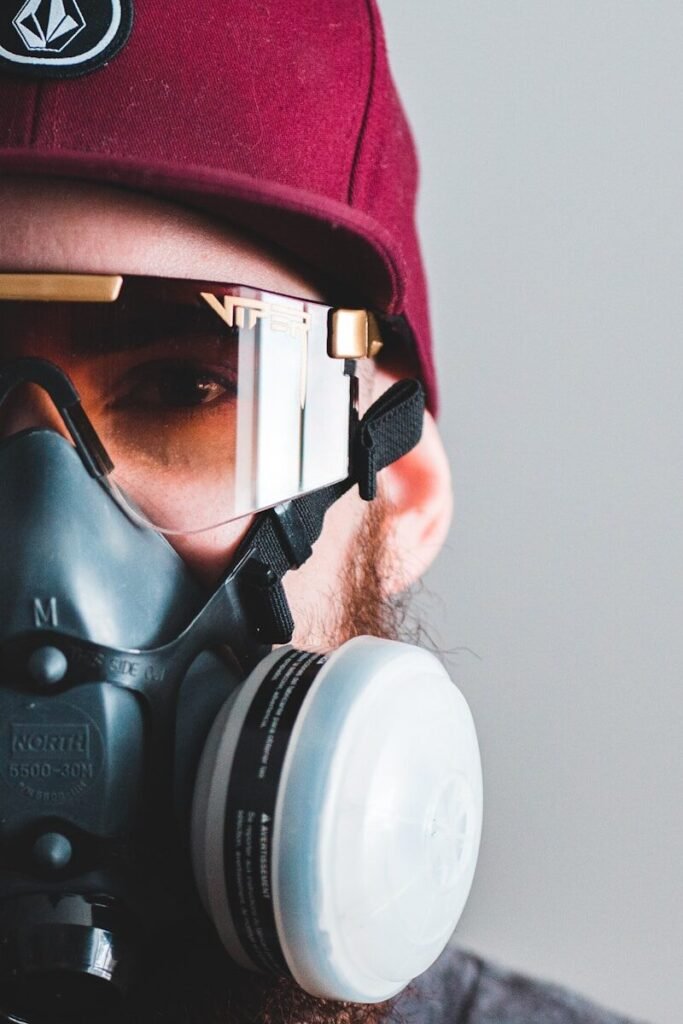
- Not wearing appropriate safety gear: Eye protection, gloves, and masks shield against debris, dust, and harmful substances.
- Working without proper ventilation: Projects involving paints, adhesives, or chemicals need well-ventilated areas to avoid inhaling toxic fumes.
- Neglecting electrical and structural safety: DIY electrical work or structural changes should be done with extreme caution, adhering to local codes and guidelines or involving licensed professionals.
Overlooking Surface Preparation and Finishing
Many DIY projects fail due to poor surface prep and finishing touches, which are crucial for aesthetics and longevity.
- Skipping cleaning and sanding: Surfaces must be clean, smooth, and free from grease or old paint for new finishes to adhere correctly.
- Applying paint or finishes too quickly: Rushing the drying process or applying too many coats without proper drying leads to uneven or peeling surfaces.
- Ignoring environmental conditions: Temperature and humidity affect drying times and the quality of finishes. Choosing the right time and conditions ensures better results.
Not Testing Before Committing
Jumping straight into the main project without testing materials, colors, or techniques can result in costly errors.
- Testing paint colors or finishes on small patches: This helps visualize the final look and compatibility with existing decor.
- Trying new tools or techniques on scrap material: Practicing first allows for troubleshooting and skill refinement without ruining the actual project.
- Reviewing product instructions carefully: Each product can have unique application methods and drying times that affect the outcome.
Failing to Manage Waste and Clean Up
Proper waste management and cleanup are often overlooked but contribute significantly to the overall success and safety of a DIY project.
- Not disposing of materials responsibly: Recycling or safely discarding leftover materials prevents environmental harm and clutter.
- Leaving tools and workspaces messy: A tidy workspace reduces accidents and makes subsequent steps easier.
- Neglecting to store leftover materials and tools properly: Organized storage extends the life of tools and makes future projects more accessible.
Overcommitting Without Budgeting
DIY projects can quickly become expensive when budgets are not planned carefully, leading to incomplete work or financial strain.
- Underestimating costs: Including all materials, tools, permits, and unexpected expenses in the budget provides a realistic financial overview.
- Impulse buying: Sticking to the shopping list avoids unnecessary purchases.
- Skipping cost-effective alternatives: Renting tools or buying second-hand materials can reduce costs without sacrificing quality.
By recognizing these common DIY mistakes and incorporating these practical strategies, individuals can enhance their project outcomes, save time and money, and enjoy the satisfaction that comes with well-executed home improvements. Taking a methodical approach, prioritizing safety, and planning carefully set the foundation for successful and enjoyable DIY experiences.