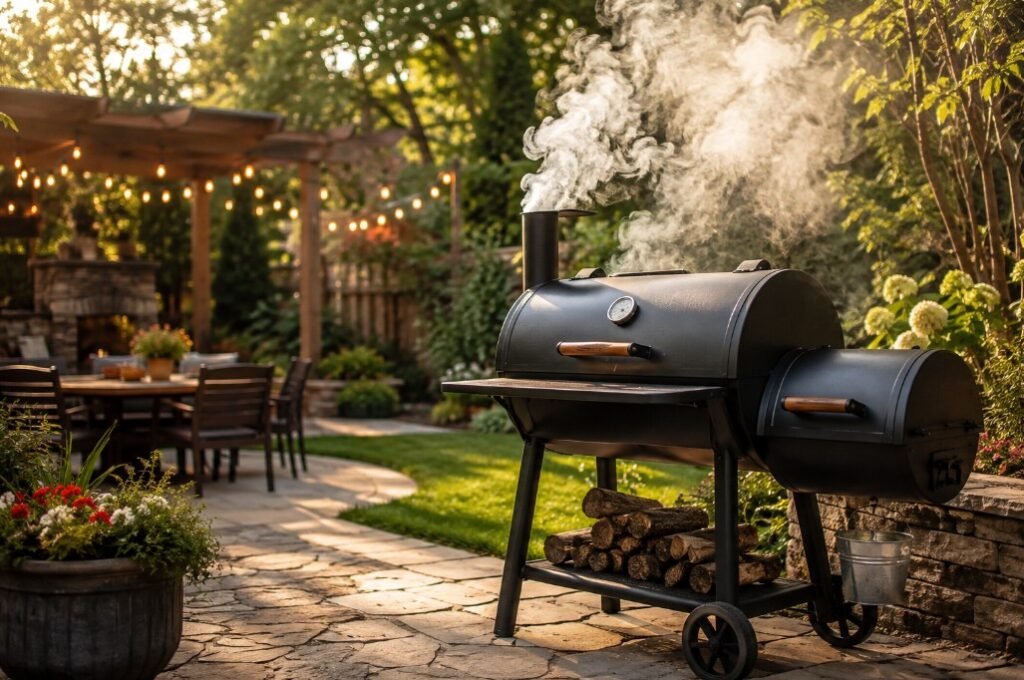
Knowing how to choose the right smoker is a practical decision for anyone interested in outdoor cooking. Whether you’re a weekend griller, a backyard pitmaster, or someone looking to explore slow-cooked flavors, the right smoker can elevate your cooking experience. With so many styles, sizes, and designs available, understanding which options fit your needs is crucial before making a purchase.
This guide aims to cut through the noise and provide clear, straightforward advice on selecting a smoker that matches your cooking habits, space, and budget. By focusing on important considerations and features, this guide helps readers feel confident and prepared to make an informed choice.
Affiliate disclosure: Some links in this article are affiliate links. If you make a purchase through an affiliate link, I may earn a commission at no additional cost to you. As an Amazon Associate I earn from qualifying purchases.
Quick Facts
- Best For: Slow-cooking and smoking meats outdoors with rich, smoky flavors.
- Budget: Ranges widely, from affordable charcoal models to premium electric or pellet smokers.
- Expected Lifespan: Typically 5 to 15 years depending on build quality and maintenance.
- Maintenance Level: Varies by type; some require regular cleaning and fuel management, others need less frequent upkeep.
Buying Guide Overview
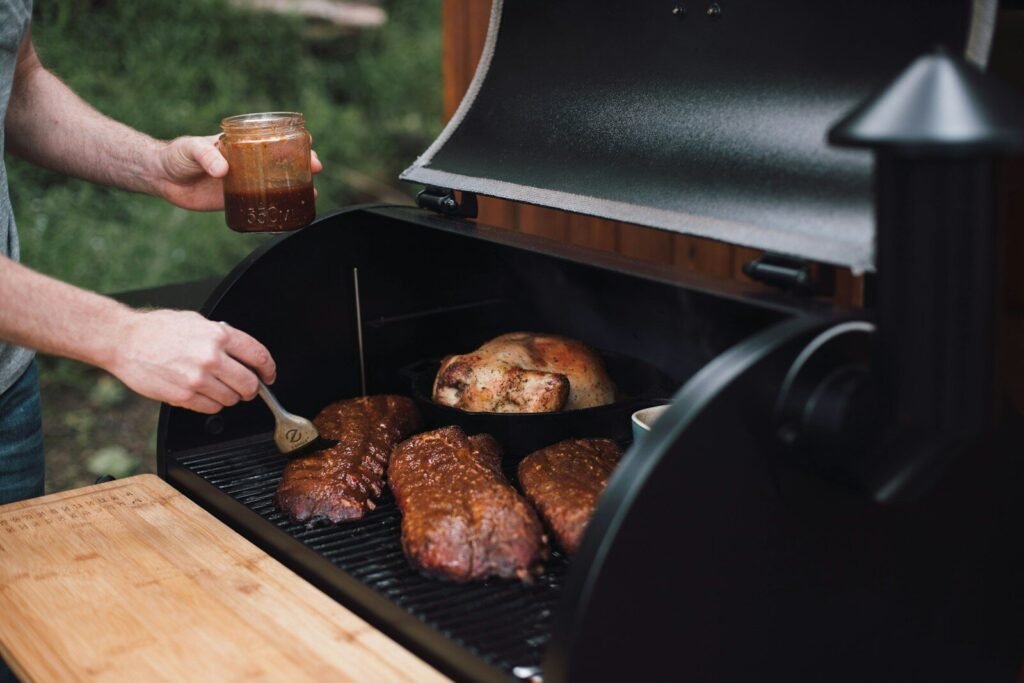
Choosing a smoker involves more than picking the most popular model or the one with the flashiest design. It’s about matching the smoker’s capabilities to how you plan to use it. From the size of your gatherings to how much time you want to spend managing the fire, the right smoker can make outdoor cooking both enjoyable and rewarding.
This guide breaks down key factors and features to consider, helping readers understand the tradeoffs involved. It provides practical advice on what to evaluate to ensure the smoker you buy fits your lifestyle, cooking style, and budget, making it a satisfying long-term investment.
What to Consider Before Buying
Intended Use
Decide whether the smoker will be used for casual weekend grilling, regular family meals, or competitive smoking. This affects the size, type, and features needed. Casual users might prefer simplicity, while serious enthusiasts might want advanced temperature control.
Electric Smoker for Outdoors with Built-in Meat Probe & Clear Viewing Window
Required Capacity
Consider how much food you typically cook. A small smoker suits intimate gatherings, but if you often host larger groups, a bigger cooking chamber or multiple racks will be necessary to accommodate more food at once.
Portability
If you plan to move the smoker frequently or take it on trips, portability matters. Some smokers are heavy and stationary, while others come with wheels or are compact enough to fit in a vehicle for tailgating or camping.
Budget
Smokers come in a wide price range. Setting a realistic budget helps narrow options. Keep in mind that more expensive models often offer better materials, durability, and features, but there are solid choices at every price point.
Maintenance and Cleaning
Different smokers require varying levels of upkeep. Charcoal units may require more frequent cleaning and ash removal, while electric or pellet smokers are easier to maintain but may involve more complex parts.
Coated Steel Outdoor Barbecue Grill with 2 Grilling Grates
Fuel Type Preference
Choosing between charcoal, wood, electric, or pellet fuel affects flavor, ease of use, and cost. Each has its pros and cons depending on how hands-on you want to be with temperature control and smoke flavor.
Available Space
Assess where the smoker will live. Some require a dedicated outdoor area with stable ground and ventilation, while smaller models might fit on a patio or balcony.
Important Features
Temperature Control
Precise temperature control is key to consistent results. Features like adjustable vents, dampers, or digital thermostats help regulate heat. This matters especially for long cooks requiring steady, low temperatures.
Cooking Surface Area
The amount of usable cooking space determines how much food you can smoke at once. Look for adequate rack space and consider whether the smoker allows for multiple levels or expandable cooking areas.
Build Material and Durability
Heavy-gauge steel or cast iron smokers retain heat better and last longer. Cheaper materials may rust or warp over time, which impacts cooking performance and lifespan.
Fuel Delivery System
For pellet smokers, an automatic feed system maintains a steady supply of pellets, reducing the need for manual adjustments. Charcoal smokers rely on manual fuel management, which can be more hands-on.
Smoke Generation Method
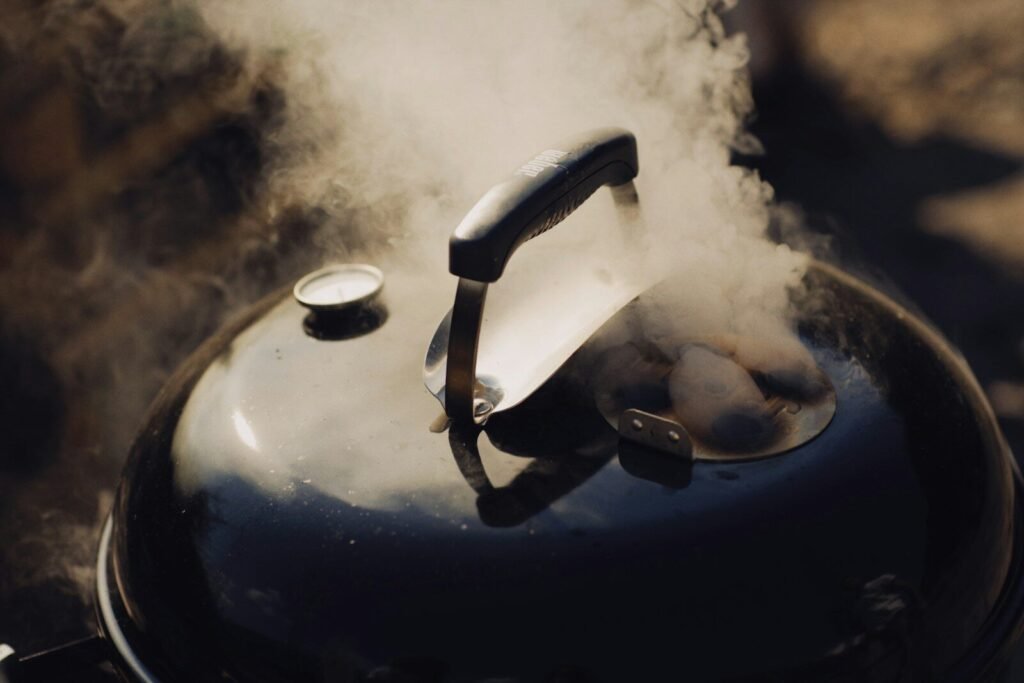
Some smokers use water pans or smoke boxes to enhance moisture and smoke flavor. Understanding how a smoker produces and circulates smoke helps in choosing one that suits your flavor preferences.
Portability Features
Wheels, handles, and compact designs affect how easily you can move or store your smoker. This is especially important if you have limited space or want to take the smoker to different locations.
Common Tradeoffs
Ease of Use vs. Flavor Control
Electric and pellet smokers offer convenience with automated controls but may sacrifice some traditional smoky flavors. Charcoal and wood smokers provide rich flavor but require more attention and skill.
Size vs. Portability
Larger smokers accommodate more food but are less portable. Compact smokers are easy to move but limit cooking capacity, requiring more frequent batches for larger groups.
Upfront Cost vs. Long-Term Investment
Higher upfront costs often translate into better build quality and longer lifespan. Budget smokers are more affordable but may need replacement sooner or involve more maintenance.
Maintenance Effort vs. Cooking Consistency
Smokers that need frequent cleaning or fuel adjustments demand more effort but can offer better control and flavor. Low-maintenance models are easier to use but sometimes at the expense of fine-tuning cooking results.
Who This Is Best For
Casual Grillers
Casual grillers benefit from electric or pellet smokers that simplify temperature control and require minimal monitoring. These models allow them to enjoy smoked food without a steep learning curve.
Serious Smoking Enthusiasts
For those who enjoy experimenting with different woods and techniques, charcoal or wood smokers provide hands-on control and authentic flavor profiles. These smokers reward skill and patience.
Entertainers and Large Families
If cooking for large groups is common, a smoker with ample cooking space and multiple racks fits best. Larger smokers accommodate more food in one go, reducing cook time.
Space-Conscious Users
People with limited outdoor space should look for compact, vertical smokers or portable models that fit small patios or balconies without sacrificing essential features.
Budget-Conscious Buyers
Entry-level smokers made from durable materials but with simpler features meet the needs of budget-conscious buyers. They offer good value without overspending on extras.
Final Thoughts
Selecting the right smoker is about balancing your cooking goals, lifestyle, and budget. Understanding your intended use, capacity needs, and fuel preferences will steer you toward a smoker that delivers satisfying results without unnecessary complications. Taking time to evaluate important features like temperature control and build quality ensures that your choice will stand up to years of outdoor cooking.
With the right smoker, outdoor cooking becomes more enjoyable and accessible, whether you’re smoking your first brisket or hosting a backyard feast. By focusing on practical considerations and honest tradeoffs, this guide helps readers confidently invest in a smoker that fits their needs and enhances their outdoor living experience.