
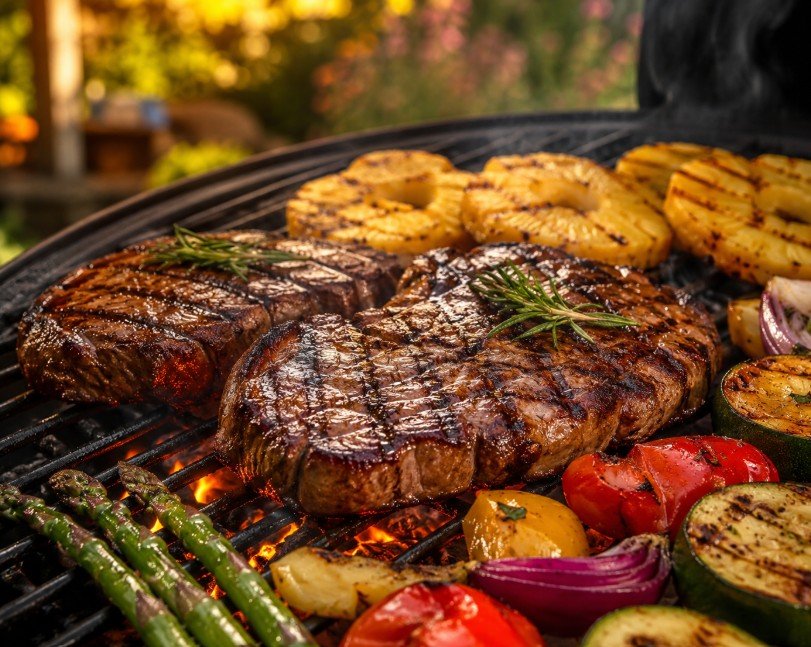
Grilling is more than just a cooking method; it’s a way to unlock unique flavors and textures that other techniques simply can’t match. Many foods taste better on the grill because the direct heat and smoky environment enhance their natural characteristics. Understanding which foods thrive on the grill and why can elevate outdoor cooking from routine to remarkable. This article explores the foods that taste better on the grill and explains the science and culinary principles behind their success.
Affiliate disclosure: Some links in this article are affiliate links. If you make a purchase through an affiliate link, I may earn a commission at no additional cost to you. As an Amazon Associate I earn from qualifying purchases.
Why Grilling Enhances Flavor
Grilling uses high, direct heat and smoke to change the flavor profile of food. The Maillard reaction, a chemical process that occurs when proteins and sugars are exposed to heat, creates complex, savory flavors and appealing browning. Additionally, the smoky aroma from grilling wood or charcoal infuses food with distinctive notes that stovetop or oven cooking can’t replicate.
The rapid cooking on a grill seals in juices while creating a crispy exterior, making grilled foods both tender and texturally interesting. This combination of factors is why certain foods not only taste better but also develop richer aromas and satisfying mouthfeel when cooked over an open flame.
Meats That Excel on the Grill
Meat is often the star of the grill, and certain cuts and types respond exceptionally well to grilling.
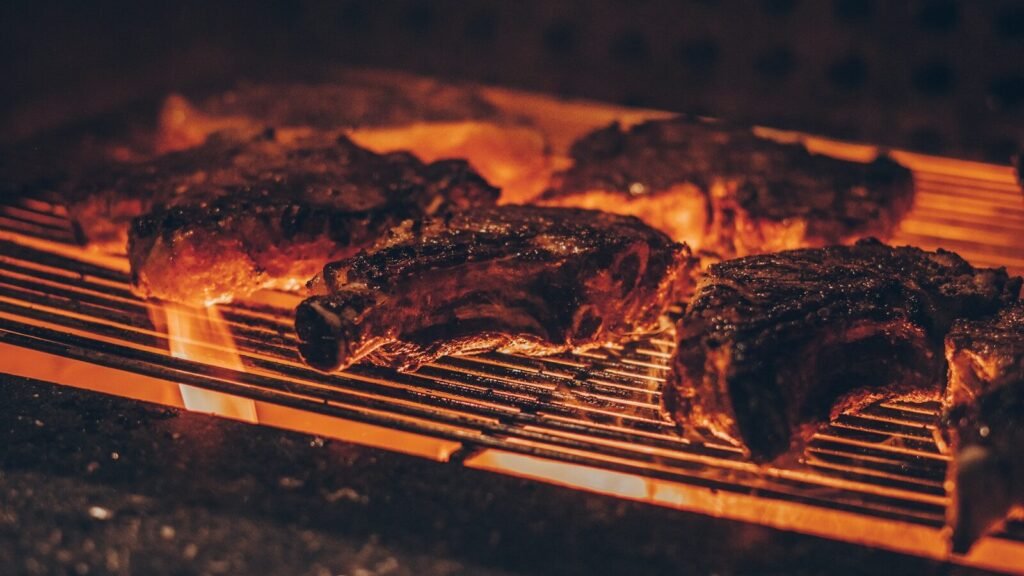
- Steak: Grilling high-quality steaks creates a flavorful crust through searing while maintaining a juicy interior. The open flame caramelizes the surface, enhancing the meat’s natural umami.
- Burgers: Ground beef patties develop a smoky crust on the grill, adding depth to a classic favorite. The fat drips onto the coals, producing smoke that flavors the meat.
- Chicken: Grilled chicken, especially thighs and drumsticks, benefits from the intense heat that crisps the skin and locks in moisture. Marinating before grilling intensifies flavor absorption.
- Pork Chops: Grilling pork chops gives them a charred exterior and tender center. The quick heat prevents drying out, a common issue in oven cooking.
The key to grilling meats is balancing temperature and cooking time to achieve a well-seared outside without overcooking the inside. This method enhances flavor and texture beyond what other cooking methods typically offer.
~ Best-Selling Grill Seasoning Sampler on Amazon
Vegetables That Shine on the Grill
Grilling vegetables imparts a smoky sweetness and invites caramelization, bringing out their natural sugars. Certain vegetables are particularly well-suited to grilling due to their structure and moisture content.
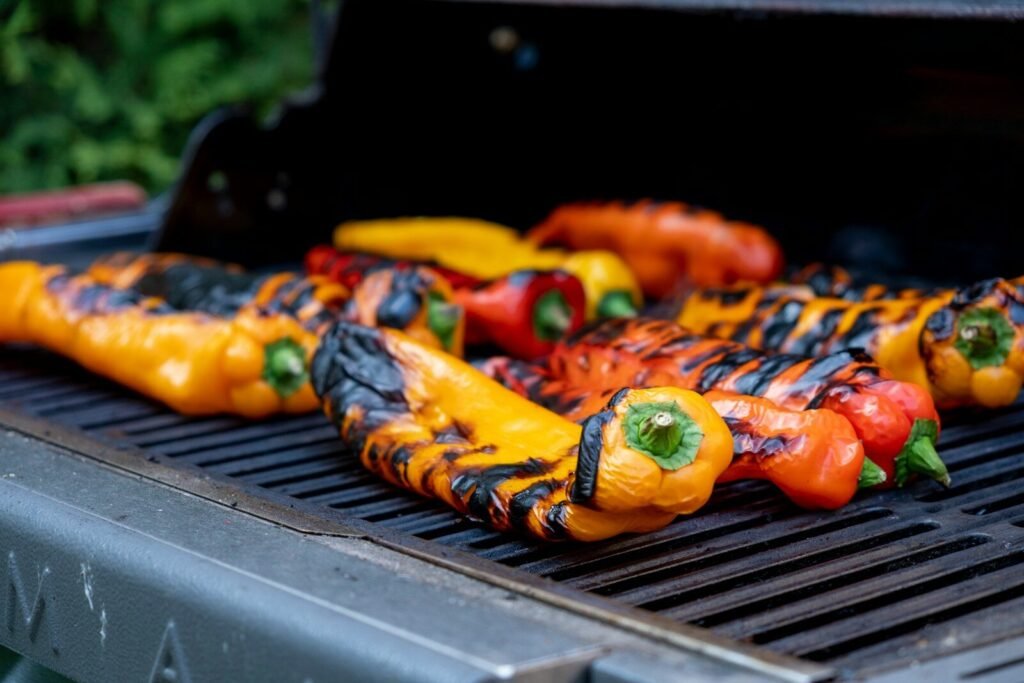
- Bell Peppers: Their skins blister and char, amplifying sweetness and adding a subtle smokiness.
- Asparagus: The grill’s heat crisps the tips while keeping the stalks tender and flavorful.
- Zucchini and Summer Squash: These vegetables develop appealing grill marks and a smoky undertone that enhances their mild flavor.
- Corn on the Cob: Grilled corn becomes tender with a hint of charred sweetness, especially when cooked in husks or wrapped in foil.
Grilling vegetables often requires less cooking time than roasting or sautéing and produces a uniquely vibrant taste profile, making them a popular choice for outdoor meals.
Seafood That Benefits From Grilling
Seafood’s delicate flavors and textures can be elevated by grilling, especially when done carefully to avoid overcooking.

- Salmon: Grilled salmon develops a crispy skin and smoky flavor while the flesh stays moist and tender.
- Shrimp: Quick grilling caramelizes the shrimp’s natural sugars, enhancing sweetness and providing a satisfying texture.
- Scallops: The grill creates a golden-brown crust that contrasts beautifully with their soft interior.
- Lobster Tails: Grilling adds a smoky depth and caramelizes the surface, giving lobster a richer flavor than boiling or steaming.
The grill’s ability to quickly cook seafood at high temperatures helps seal in moisture and flavor, making it a preferred method for many seafood dishes.
Fruits That Gain a New Dimension on the Grill
Grilling isn’t just for savory foods; certain fruits take on a whole new character when exposed to heat and smoke.
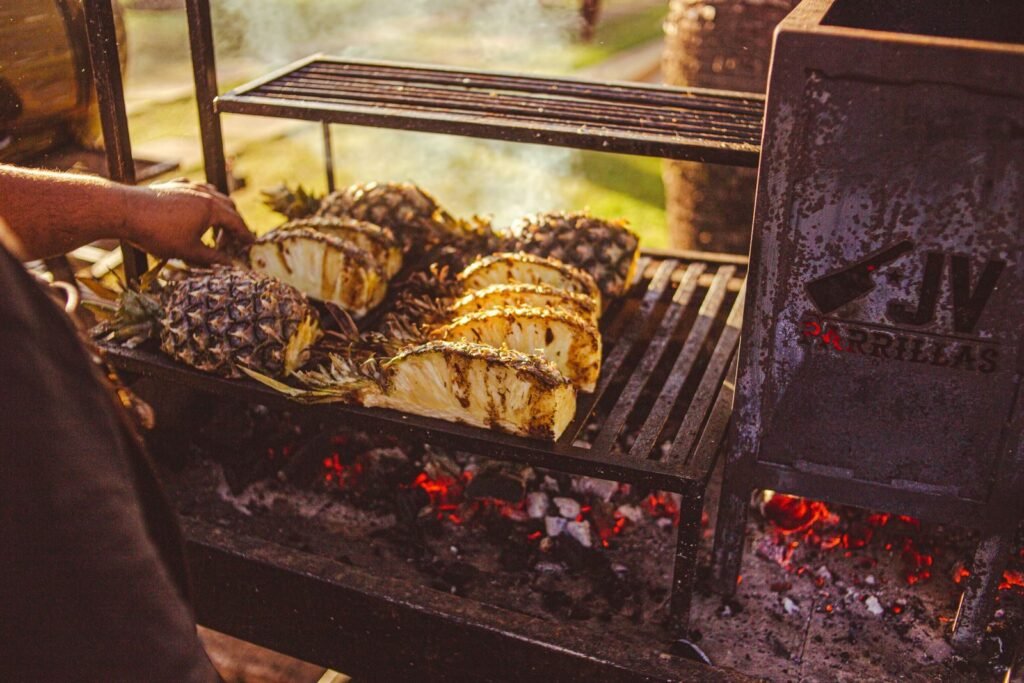
- Pineapple: Grilling caramelizes the sugars, intensifying sweetness and adding a smoky note.
- Peaches: The heat softens the fruit while the grill marks contribute a subtle char and complexity.
- Watermelon: Grilled watermelon becomes juicy with a smoky edge, dramatically transforming its flavor profile.
- Figs: The grill enhances their natural sugars and gives a warm, roasted quality.
Grilled fruits make a delicious dessert or an accompaniment to savory dishes, offering a fresh and unexpected way to enjoy seasonal produce.
Why These Foods Work Best on the Grill
The common thread among foods that taste better on the grill is their ability to respond positively to direct heat and smoke. Meats with sufficient fat content, firm vegetables, tender seafood, and naturally sweet fruits all develop enhanced flavors and textures due to caramelization, Maillard browning, and smoke infusion.
Foods that are too delicate or watery often don’t fare as well on the grill because they can dry out or fall apart. Conversely, ingredients that benefit from quick, intense heat and subtle smoke exposure are prime candidates for grilling.
Final Thoughts
Grilling offers a unique flavor-enhancing cooking experience that transforms a wide array of foods. From juicy steaks and smoky vegetables to tender seafood and caramelized fruits, the grill unlocks tastes and textures that stovetop or oven methods can’t easily replicate. Understanding why certain foods shine on the grill helps home cooks make smarter choices and master outdoor cooking.
Embracing grilling as a versatile technique invites experimentation and enjoyment of fresh, flavorful meals. By selecting the right foods and applying appropriate heat, anyone can create satisfying dishes that celebrate the distinctive benefits of cooking outdoors. Whether hosting a summer barbecue or simply enjoying an evening meal, grilling adds richness, depth, and excitement to the culinary repertoire.