
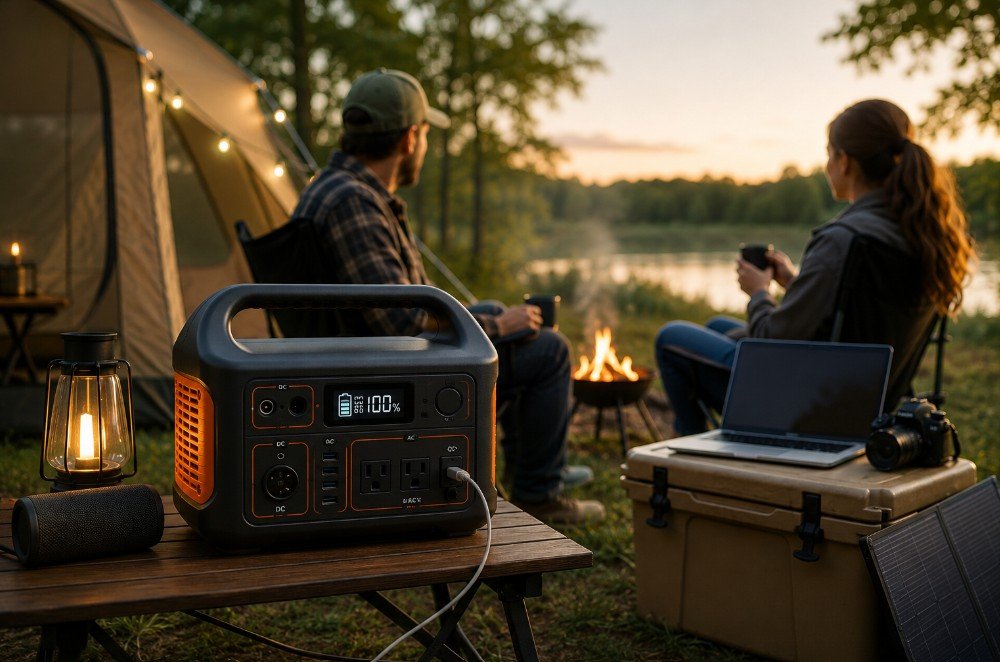
Portable power stations have become increasingly popular among outdoor enthusiasts, homeowners, and emergency preparedness advocates. These compact, rechargeable battery units offer a convenient way to power devices when traditional electricity sources aren’t available. But are portable power stations truly worth the investment? This article explores their practical uses, key features, and considerations to help determine if they’re a smart addition to your outdoor living gear.
What Is a Portable Power Station?
A portable power station is a rechargeable battery pack equipped with multiple outlets, such as AC plugs, USB ports, and sometimes even DC ports. Unlike small power banks designed mainly for phones or tablets, these stations can power larger electronics including laptops, mini-fridges, CPAP machines, and even some power tools. They can be recharged via wall outlets, car chargers, or solar panels, making them highly versatile for off-grid use.
Common Uses for Portable Power Stations
Understanding how portable power stations are commonly used can clarify their value:
- Camping and Outdoor Adventures: They provide reliable power for lighting, cooking appliances, and charging devices without relying on noisy gas generators.
- Emergency Backup Power: During power outages, these stations can keep essential electronics running, such as phones, radios, medical devices, and small refrigerators.
- Remote Work and Travel: For those working remotely or traveling to locations without stable electricity, portable power stations offer a practical way to maintain productivity.
- Outdoor Events and Tailgating: They can power speakers, lights, and other electronics at picnics, tailgate parties, or outdoor gatherings.
Key Features to Consider
When evaluating if a portable power station is worth it, consider these important features:
- Battery Capacity: Measured in watt-hours (Wh), this indicates how much energy the station can store. Higher capacity means longer runtime but usually comes with increased weight and cost.
- Output Options: Look for a variety of outlets including AC, USB-A, USB-C, and 12V DC to ensure compatibility with your devices.
- Portability: Size and weight matter if you plan to carry the unit on hikes or camping trips. Some models are compact and lightweight, while others prioritize power over portability.
- Charging Methods: Stations that support solar panel charging add versatility for extended off-grid use. Fast recharging capability via AC or car chargers is also convenient.
- Durability and Build Quality: A rugged, weather-resistant design is beneficial for outdoor environments.
- Safety Features: Overload protection, short-circuit prevention, and temperature regulation protect both the power station and its connected devices.
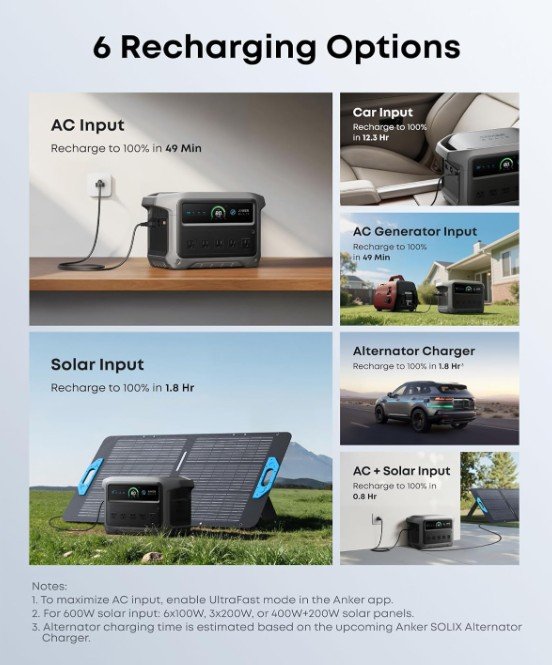
~Shop Amazon for Best-selling Anker Solar Charger
Advantages of Using Portable Power Stations
There are several compelling benefits that make portable power stations appealing:
- Clean and Quiet Operation: Unlike gas generators, they operate silently and produce no fumes, making them ideal for campgrounds and indoor use.
- Multiple Device Charging: They can power a range of devices simultaneously, reducing the need for multiple chargers or power sources.
- Renewable Energy Integration: Compatibility with solar panels supports sustainable energy use and extends runtime during extended outings.
- Compact and Easy to Use: Most models are designed for user-friendly plug-and-play operation, requiring no special setup.
- Reduced Dependence on Fuel: Since they recharge from electricity or solar energy, you don’t have to stockpile or transport fuel.
Limitations and Considerations
While portable power stations offer many benefits, it’s important to be aware of their limitations:
- Limited Runtime for High-Power Devices: They are generally not suitable for running large appliances, such as air conditioners or electric heaters, for extended periods.
- Upfront Cost: Higher-capacity models can be expensive, and the cost per watt-hour is typically higher than traditional generators.
- Charging Time: Recharging can take several hours, especially when relying on solar panels, so planning and patience are essential.
- Weight for Larger Capacity Units: Units with substantial energy storage can be heavy and less convenient to transport.
- Battery Degradation: Like all rechargeable batteries, their capacity diminishes over time and with frequent use.
Who Benefits Most from Portable Power Stations?
These devices are particularly valuable to certain groups:
- Outdoor Enthusiasts: Campers, hikers, and RV travelers who need reliable, silent power for essential devices.
- Homeowners in Areas Prone to Outages: Those wanting backup power for communications and medical equipment during blackouts.
- Remote Workers and Digital Nomads: People needing consistent power for laptops and mobile devices when away from conventional power sources.
- Event Organizers and Vendors: Those requiring portable power for temporary setups without access to outlets.
How to Maximize the Value of a Portable Power Station
To get the most out of a portable power station, consider these practical tips:
- Match Capacity to Needs: Calculate the wattage and runtime requirements of your devices before purchasing to avoid overspending or inadequate power.
- Use Solar Charging: If you spend extended time outdoors, pairing the station with a solar panel can keep your power supply going indefinitely.
- Manage Power Consumption: Prioritize charging essential devices and use energy-efficient appliances to extend battery life.
- Store Properly: Keep the station in a cool, dry place and charge it periodically to maintain battery health.
- Plan for Portability: Choose a model that balances power and weight based on your typical usage scenarios.
Final Thoughts
Portable power stations offer a flexible, clean, and quiet way to stay powered during outdoor activities, emergencies, and remote work situations. While they may not replace traditional generators for heavy-duty power needs, their convenience and versatility make them a worthwhile investment for many people. Understanding your power requirements and usage patterns is key to selecting the right model and maximizing its benefits.
For those who value independence from the grid and want a reliable power source on the go, portable power stations provide peace of mind and practical functionality. With proper care and thoughtful use, they can enhance outdoor living experiences and improve preparedness for unexpected power disruptions. Investing in one can be a smart step toward greater energy freedom and convenience.
You Might Also Enjoy
- Lean-To vs Shed vs Storage Bin: What’s Actually Worth It?
- Perennial Vines and Texas Heat: The Perfect Climbers
- Proven Champions: Perennials That Thrive in Texas Heat