
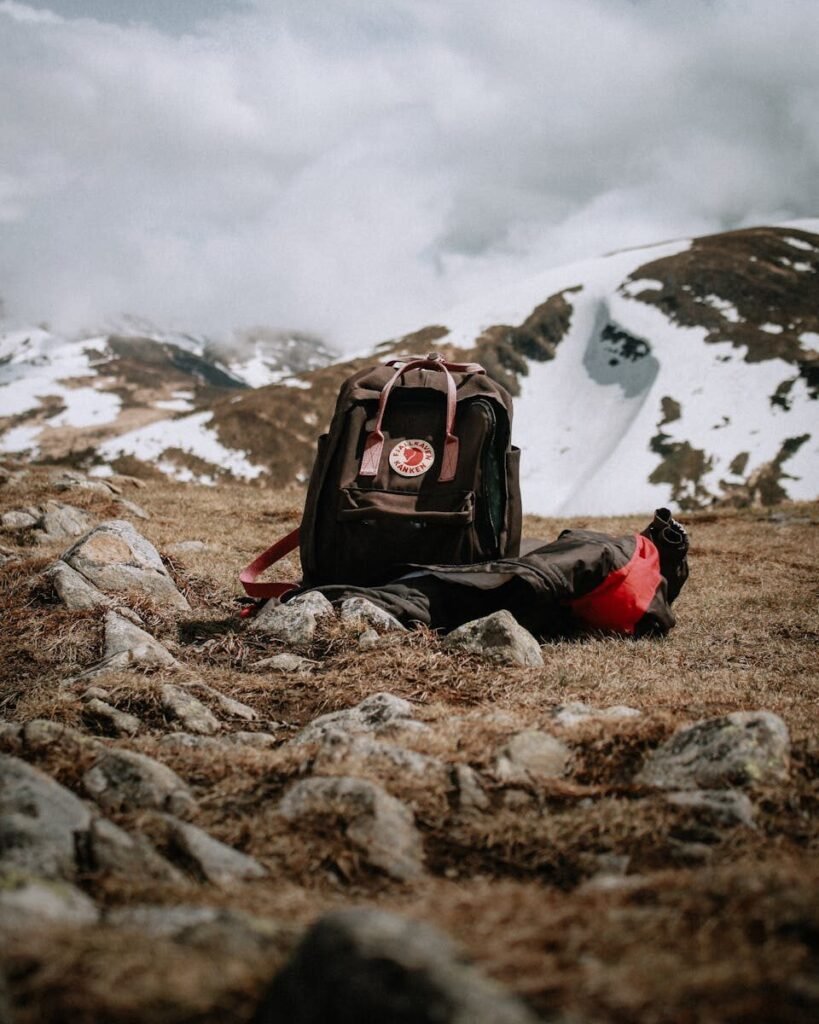
Spending a day outdoors offers a refreshing break from routine, whether it’s hiking in the woods, picnicking in a park, or exploring a nearby trail. Packing smartly is essential to make the most of the experience without being weighed down by unnecessary items. Focusing on what to pack for a day outdoors without overpacking ensures preparedness, comfort, and convenience.
Affiliate disclosure: Some links in this article are affiliate links. If you make a purchase through an affiliate link, I may earn a commission at no additional cost to you. As an Amazon Associate I earn from qualifying purchases.
Essentials for Comfort and Safety
When planning what to pack for a day outdoors, prioritizing essentials that address safety and comfort can make all the difference.
- Water Bottle or Hydration System: Staying hydrated is crucial. A refillable water bottle or a hydration pack helps maintain energy levels and prevents dehydration. Choose a size appropriate for the activity length and temperature.
- Weather-Appropriate Clothing: Layering is key to adapting to changing weather conditions. A lightweight, moisture-wicking base layer, an insulating mid-layer, and a waterproof outer shell protect against cold, heat, and rain without adding bulk.
- Sun Protection: Sunscreen with broad-spectrum SPF, a wide-brimmed hat, and UV-blocking sunglasses protect skin and eyes from harmful rays during prolonged outdoor exposure.
- First Aid Kit: A compact kit containing bandages, antiseptic wipes, pain relievers, and any personal medications prepares for minor injuries or emergencies.
- Map and Compass or GPS Device: Even if the route is familiar, having navigation tools helps avoid getting lost and enhances safety, especially in remote areas.
Packing Food and Snacks Wisely
Fueling the body with the right nutrition is vital, but overpacking food can add unnecessary weight and clutter.
- Energy-Dense Snacks: Trail mix, nuts, dried fruit, and energy bars provide quick, sustained energy and are easy to carry without refrigeration.
- Lunch or Meal Options: For longer outings, lightweight sandwiches, wraps, or pre-packaged meals that don’t require heating offer convenience and nutrition.
- Reusable Utensils and Containers: Compact, environmentally friendly utensils and containers minimize waste and keep food fresh.
- Trash Bag: Bringing a small bag to carry out all trash supports Leave No Trace principles and keeps natural areas clean.
Useful Tools and Gear Without Bulk
Selecting versatile, lightweight gear can enhance the day’s enjoyment without contributing to overpacking.
- Multi-Tool: A quality multi-tool combines several functions like a knife, scissors, and screwdriver, reducing the need to carry multiple items.
- Headlamp or Small Flashlight: Even on day trips, having a light source is handy if the outing extends into dusk or unexpected delays occur.
- Lightweight Backpack: A comfortable, ergonomic backpack with enough capacity to hold essentials without excess space encourages packing only what’s necessary.
- Emergency Blanket: Compact and lightweight, this can provide warmth or shelter in emergencies without taking up much room.
- Insect Repellent: Depending on location and season, a small spray or wipes protect against bites and irritation.
Clothing and Footwear: Balancing Function and Weight
Choosing appropriate clothing and footwear is a critical part of what to pack for a day outdoors, particularly to avoid overpacking.
- Breathable, Quick-Dry Fabrics: Clothing made from synthetic or merino wool materials helps regulate temperature and manages moisture, reducing the need for multiple changes.
- Comfortable Footwear: Supportive, weather-appropriate shoes or boots prevent discomfort and injuries. Consider lightweight hiking shoes for varied terrain.
- Extra Socks: Carrying one additional pair of socks can prevent blisters and keep feet dry if conditions are wet or sweaty.
- Rain Gear: Instead of bulky jackets, pack a lightweight, packable rain jacket or poncho that fits easily into a backpack.
Technology and Personal Items to Consider
While technology can be a helpful addition, it’s important to choose items that add value without adding unnecessary weight.
- Mobile Phone: For communication and navigation, a fully charged phone is essential. Keeping it in a waterproof case protects it from the elements.
- Portable Charger: A small power bank ensures devices stay charged, especially on longer excursions.
- Camera: For those who want to capture memories, a compact camera or smartphone with good photo capabilities is sufficient without extra bulk.
- Identification and Cash: Carrying identification, some cash, and any necessary permits ensures compliance and readiness for unexpected situations.
Tips for Efficient Packing and Organization
Efficient packing techniques help avoid overpacking and keep items accessible throughout the day.

- Make a Checklist: Creating a customized checklist based on the planned activity and weather conditions prevents forgetting essentials or packing unnecessary extras.
- Use Packing Cubes or Pouches: Organizing items into small compartments within the backpack makes it easier to find what’s needed without rummaging.
- Weigh Items Before Packing: Being mindful of the weight of each item helps decide what to leave behind.
- Plan for Waste: Packing a small bag for trash and food scraps keeps the area clean and reduces clutter in the pack.
- Wear Bulky Items: To save space, wear heavier or bulkier clothing and footwear instead of packing them.
Packing efficiently for a day outdoors involves a balance between preparedness and minimalism. By focusing on versatile, essential items that prioritize safety, comfort, and practicality, it’s possible to enjoy nature fully without the burden of overpacking. This approach not only improves the overall experience but also aligns with sustainable outdoor habits.