
Corded vs Cordless Tools: Which Is Better for Real Work? This is especially true when it comes to corded vs cordless tools which is better for real work.
You might be interested in → Portable Power Stations: Are They Actually Worth It?
When it comes to tackling projects, whether professional construction, home renovation, or simple repairs, the choice between corded and cordless tools is a common consideration. Both have their strengths and limitations, and understanding these can help users select the right tool for their specific needs. This article explores the advantages and trade-offs of corded and cordless tools, offering practical insights to help decide which type delivers better performance for real work.
Power and Performance: How Corded and Cordless Tools Compare
One of the primary factors influencing tool choice is power output. Corded tools have long been favored for heavy-duty tasks because they draw continuous power directly from an electrical outlet, providing consistent, high torque without interruption. This makes them ideal for demanding jobs such as drilling through dense materials, cutting thick lumber, or grinding metal.
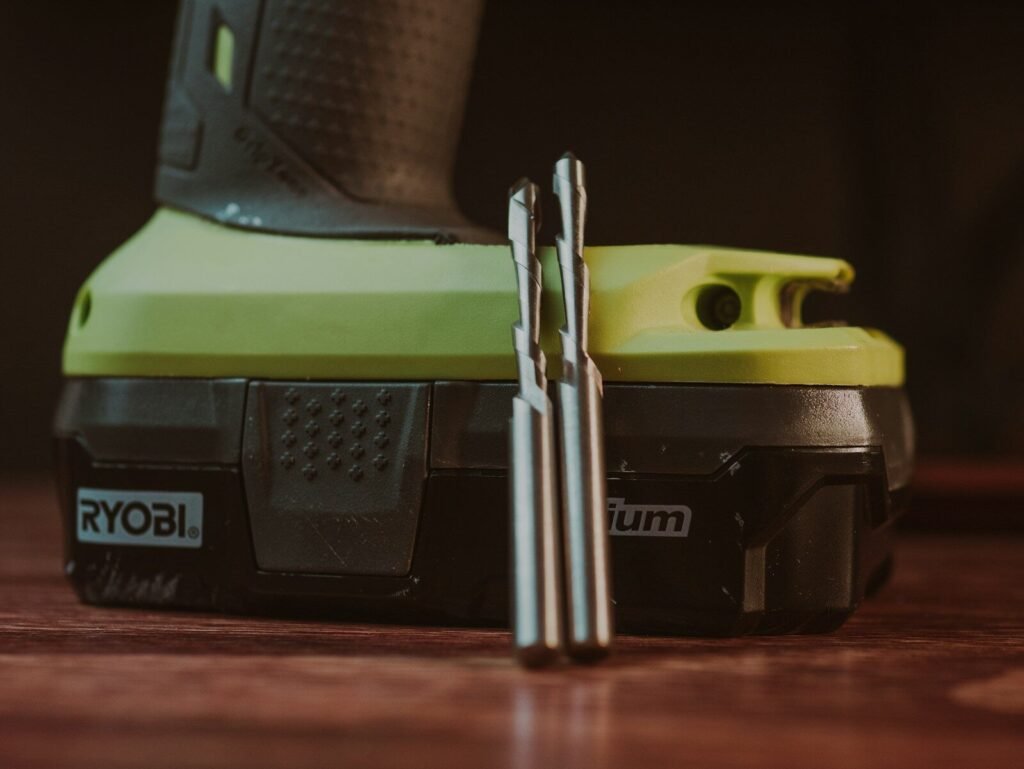
Cordless tools, powered by rechargeable batteries, have made significant strides in power capabilities thanks to advances in lithium-ion technology. Modern cordless drills, saws, and impact drivers can handle many professional applications with ease. However, they may still fall short compared to corded models when it comes to sustained high-power use, especially in prolonged, intensive projects.
Mobility and Convenience: Advantages of Cordless Tools
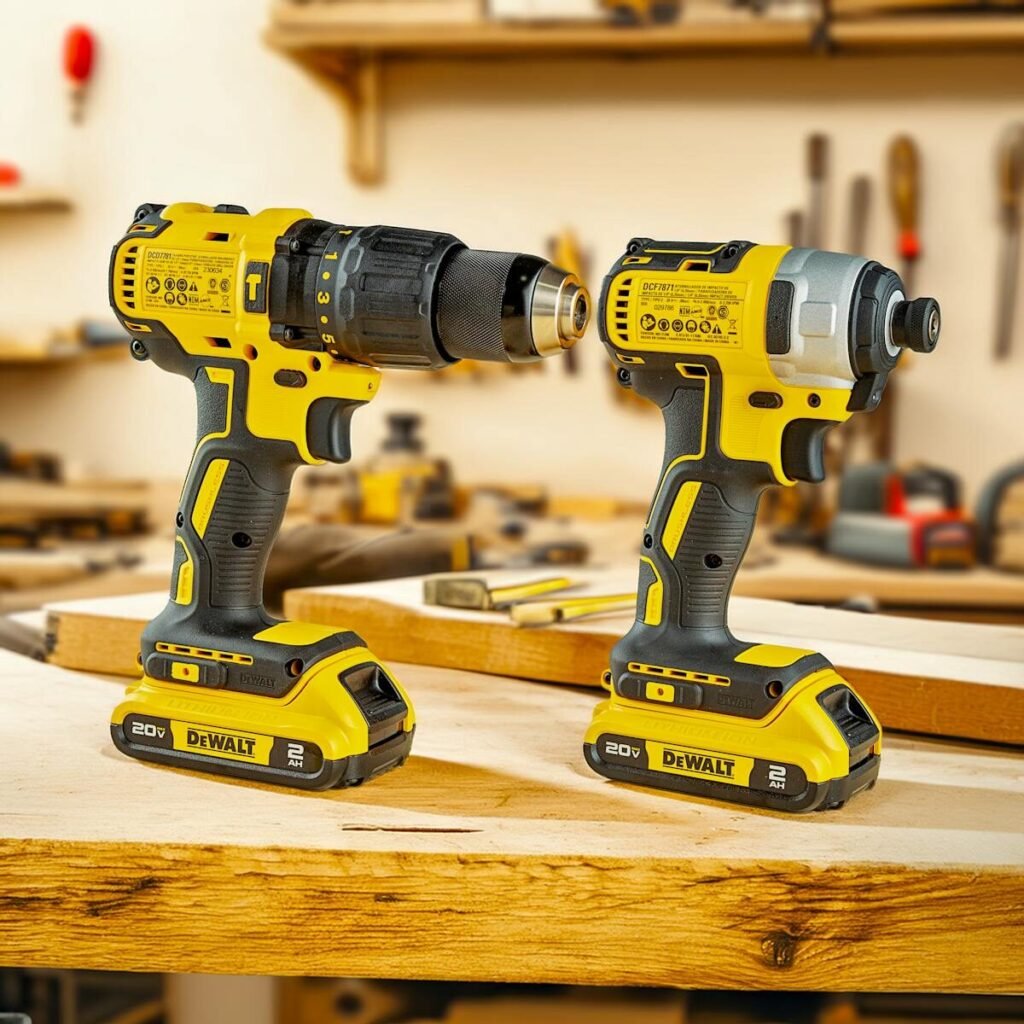
The standout benefit of cordless tools is their portability. Without a power cord restricting movement, users can work in tight spaces, outdoor locations, or areas without easy access to electrical outlets. This freedom enhances efficiency on job sites and home projects alike.
Cordless tools also reduce setup time and minimize tripping hazards caused by cords. For professionals working on scaffolding, roofs, or uneven terrain, cordless tools offer a safer, more flexible experience.
However, cordless tools require battery management—charging, swapping, and sometimes carrying multiple batteries to avoid downtime. Battery life varies depending on tool type and workload, so planning ahead is essential for uninterrupted work.
Durability and Maintenance Considerations
Corded tools generally have simpler designs with fewer components that can fail, making them known for durability over long periods. Their maintenance mainly involves cord inspection and occasional motor upkeep.
Cordless tools incorporate batteries and electronic components that can degrade over time. Battery lifespan is a critical factor; after many charge cycles, performance can decline, requiring replacement batteries which add to overall costs. Users should consider the availability and price of compatible batteries when investing in cordless tool systems.
Cost Analysis: Initial Investment and Long-Term Expenses
Initially, corded tools tend to be less expensive than their cordless counterparts because they do not include costly batteries and chargers. For users who already have access to reliable power sources, the upfront cost savings can be significant.
Cordless tools often come with higher upfront prices due to battery technology and charging equipment. However, they can be cost-effective in the long run if their portability leads to faster job completion and increased productivity.
It’s important to factor in battery replacement costs and the potential need for multiple batteries to maintain workflow. Additionally, some cordless systems offer interchangeable batteries across various tools, which can maximize value.
Application Suitability: Matching Tools to Tasks
The choice between corded and cordless tools often hinges on the nature of the work:
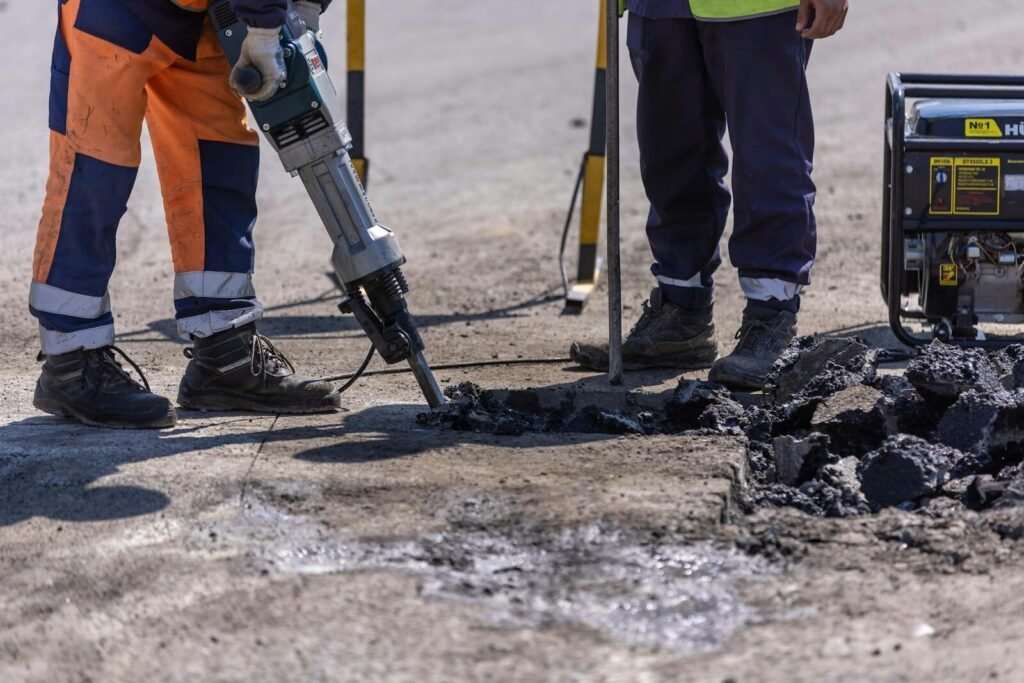
- Heavy Construction and Industrial Jobs: Corded tools are preferred for tasks requiring continuous, high power output without interruption, such as concrete drilling or metal cutting.
- DIY Projects and Light to Medium Tasks: Cordless tools excel in versatility and ease of use for projects like furniture assembly, light carpentry, or electrical work.
- Outdoor and Remote Worksites: Cordless tools provide unmatched mobility for landscaping, fence building, or any work away from power sources.
- Indoor Renovations with Limited Space: Cordless options reduce clutter and improve maneuverability in confined areas.
Safety and Ergonomics: What to Keep in Mind
Corded tools, while powerful, pose risks related to cord management. Tripping over cords or accidentally cutting them can lead to accidents. Ensuring cords are properly routed and using ground-fault circuit interrupters (GFCIs) adds layers of safety.
Cordless tools eliminate cord-related hazards but may be heavier due to battery packs. Ergonomic design varies by brand and model, so selecting tools with comfortable grips and balanced weight distribution is essential to reduce fatigue during extended use.
Technological Advances Narrowing the Gap
Recent developments have brought cordless tools closer to parity with corded ones in terms of power and runtime. High-capacity batteries, brushless motors, and efficient power management systems extend tool life and performance.
Some cordless brands now offer rapid chargers that significantly reduce downtime. Meanwhile, hybrid tools with options for corded or cordless use provide flexibility for users needing both power and mobility.
Practical Takeaways for Choosing Between Corded and Cordless Tools
- Assess the typical duration and intensity of tasks to determine if continuous power or portability is more critical.
- Consider job site conditions—availability of power outlets and workspace constraints.
- Factor in the total cost of ownership, including batteries, chargers, and potential replacements.
- Prioritize safety by evaluating cord management or battery weight and ergonomics.
- Explore hybrid tool options if both mobility and sustained power are frequently needed.
Ultimately, the best choice depends on the specific demands of the work and the user’s preferences. Investing in quality tools suited to the intended applications ensures efficiency, safety, and satisfaction on every project.