
Fixing common household problems without the need to call a professional can save time, money, and frustration. Many everyday issues around the home are straightforward to resolve with a bit of guidance and the right tools. This article offers practical solutions to typical household problems, empowering homeowners and renters alike to tackle repairs confidently and efficiently. This is especially true when it comes to how to fix common household problems without calling a professional.
How to Unclog Drains and Prevent Future Blockages
Clogged sinks and showers are among the most frequent plumbing headaches. Before reaching for harsh chemical cleaners or a plumber’s number, try these simple methods:
- Boiling Water: Pouring boiling water down the drain can dissolve grease and soap buildup, often clearing minor clogs.
- Baking Soda and Vinegar: Combine half a cup of baking soda with half a cup of vinegar, pour it into the drain, cover it for 15 minutes, then flush with hot water. This natural remedy breaks down organic material safely.
- Plunger Use: A sink plunger designed for drains can create suction to dislodge blockages. Ensure a tight seal around the drain for effective results.
- Drain Snake: For stubborn clogs, a manual drain snake can reach deeper blockages. Insert it carefully and twist to break up or retrieve debris.
Regularly cleaning drain strainers and avoiding disposal of grease, coffee grounds, or fibrous food waste into sinks helps prevent clogs from forming.
Fixing Running Toilets Without Plumbing Help
A running toilet wastes water and increases utility bills. Most running toilet issues result from simple internal parts malfunctions.
- Adjust the Flapper: Check if the flapper valve seals properly over the flush valve. If it’s warped or worn, replace it. Adjusting the chain length so the flapper closes fully can stop water from constantly running.
- Inspect the Fill Valve: If the water level is too high, adjust the fill valve float to lower the water level below the overflow tube. This prevents water from continuously flowing into the bowl.
- Replace Faulty Parts: Toilet repair kits are inexpensive and include flappers, fill valves, and other components. These parts are designed for easy homeowner installation.
With basic tools like a screwdriver and adjustable wrench, most people can resolve running toilet problems in under an hour.
Repairing Leaky Faucets Efficiently
Leaky faucets often cause annoyance and water waste but are straightforward to fix.
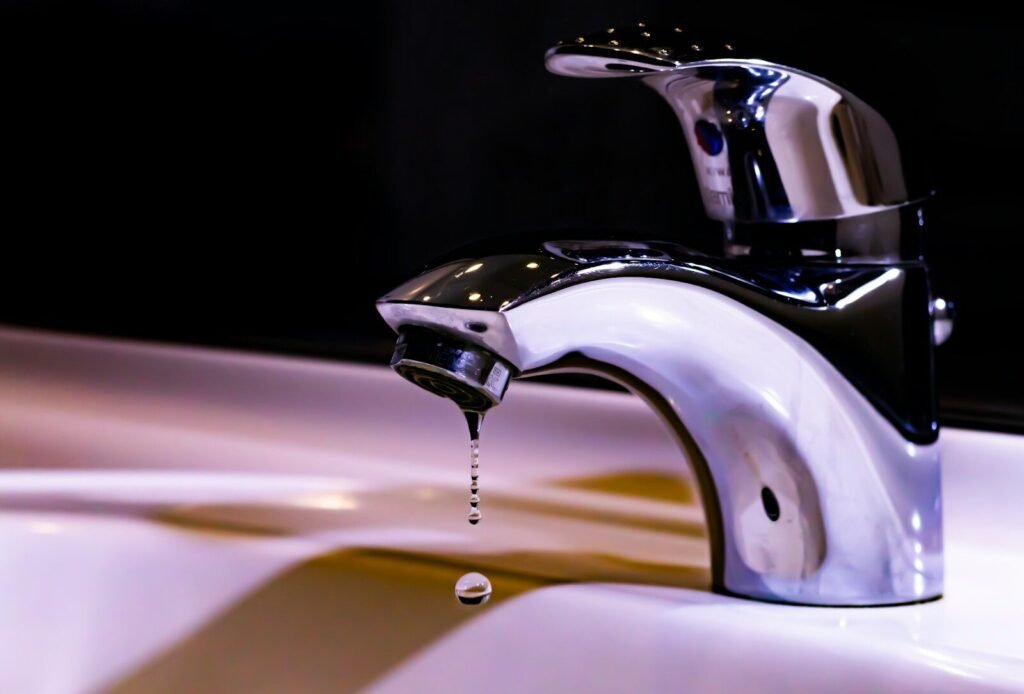
- Identify the Faucet Type: Compression, cartridge, ball, and ceramic disc faucets require slightly different repair approaches. Identifying the type helps in buying correct replacement parts.
- Replace Washers and O-rings: Most leaks come from worn washers or O-rings inside the faucet handle. Turning off the water supply, disassembling the faucet, and replacing these parts can stop leaks.
- Tighten Loose Parts: Sometimes tightening the packing nut or handle screws resolves drips without replacing parts.
- Use a Faucet Repair Kit: These kits come with parts and instructions tailored to specific faucet models, simplifying the repair process.
Regular maintenance, such as cleaning aerators and checking for corrosion, can also prevent leaks from developing.
Addressing Electrical Issues Safely at Home
Many minor electrical issues don’t require an electrician but do demand caution.
- Reset Circuit Breakers: If an outlet or light stops working, check the breaker panel first. Reset any tripped breakers by switching them off and on again.
- Replace Blown Fuses: In older fuse boxes, a blown fuse causes power loss. Replacing the fuse with one of the correct amperage restores function.
- Swap Out Faulty Switches or Outlets: Loose wiring or worn components cause flickering lights or dead outlets. Turn off power at the breaker, remove the switch or outlet, check wiring connections, and replace if necessary.
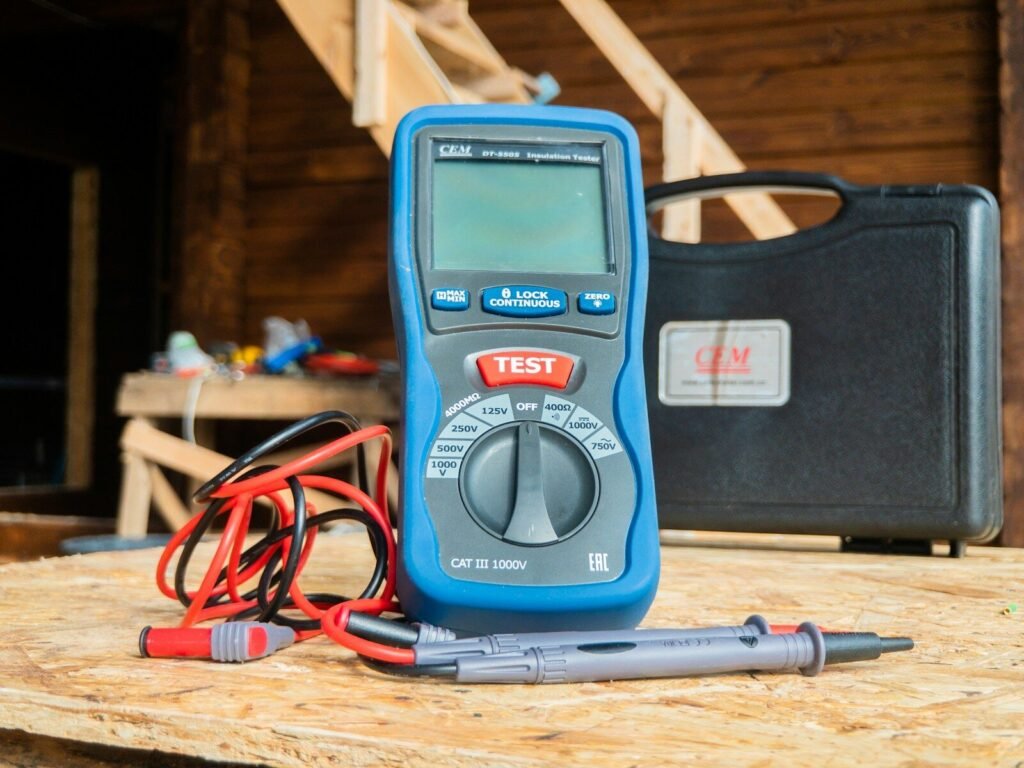
- Use a Voltage Tester: Before touching any wires, verify power is off using a voltage tester to avoid shocks.
For complex electrical problems or if unsure about safety, consulting a professional remains the best option.
Patching Wall Holes and Cracks Like a Pro
Small holes and cracks in walls are common, especially in homes with kids or after hanging pictures.
- Use Spackling Compound: For nail holes or small dents, apply spackling paste with a putty knife, let it dry, and sand smooth before painting.
- Patch Larger Holes: For holes larger than a few inches, use a patch kit that includes mesh or drywall patches. Apply joint compound over the patch, feather the edges, sand when dry, and repaint.
- Fix Cracks: Fill hairline cracks with flexible filler or caulk to prevent them from widening. For wider cracks, joint compound and drywall tape provide a durable fix.
Keeping a small repair kit handy ensures quick response to wall damage before it worsens.
Stopping Squeaky Doors and Windows Quietly
Squeaks and rattles from doors and windows are distracting but easy to solve with lubrication and minor adjustments.
- Lubricate Hinges: Apply a few drops of household oil or silicone spray to door hinges and move the door back and forth to distribute. This eliminates friction causing squeaks.
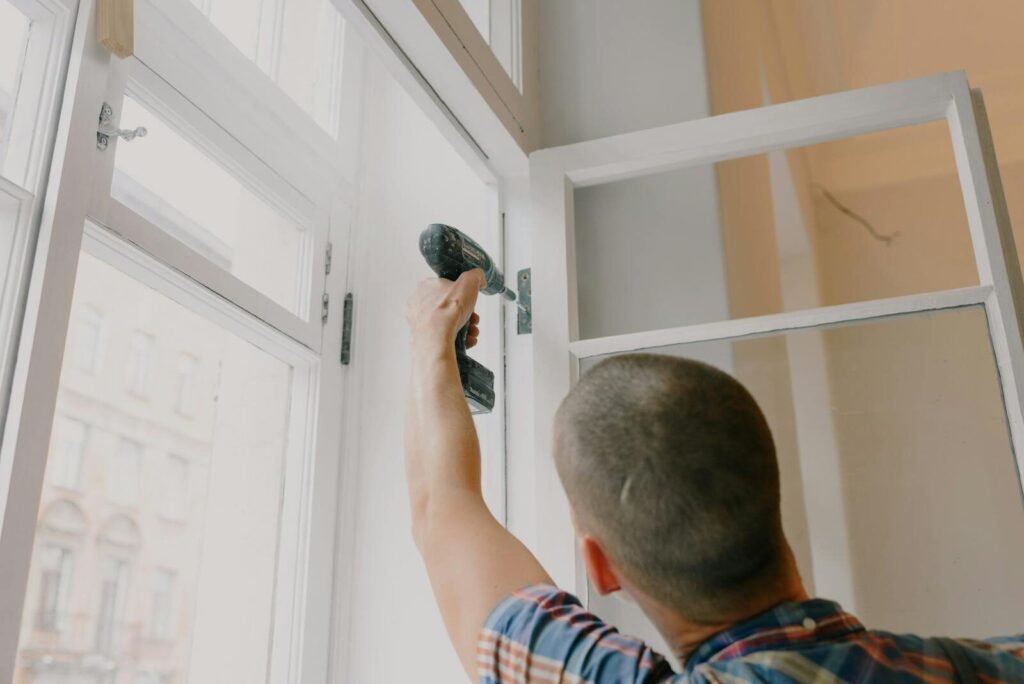
- Tighten Screws: Loose screws in hinges, handles, or window frames often create noise. Use a screwdriver to tighten them securely.
- Adjust Alignment: Misaligned doors or windows can rub against frames. Realigning by loosening screws and repositioning can stop squeaks and improve closure.
Regularly lubricating moving parts keeps doors and windows operating smoothly season after season.
Quick Fixes for Common Appliance Issues
Appliances can develop minor problems that don’t always need professional service calls.
- Clean Refrigerator Coils: Dusty coils reduce efficiency and cause cooling issues. Vacuuming coils behind or below the fridge improves performance.
- Unclog Dishwasher Spray Arms: Food debris can block spray arms, resulting in poor cleaning. Remove and rinse spray arms under running water to clear holes.
- Defrost Freezer: Excess frost buildup reduces freezer capacity. Manual defrosting by unplugging and letting frost melt restores function.
- Check Appliance Filters: Washing machines and dryers often have lint or debris filters. Cleaning these regularly prevents drainage or drying problems.
Following manufacturer maintenance tips extends appliance lifespan and minimizes breakdowns.
Taking on common household problems with simple fixes helps maintain a comfortable, efficient living space and reduces dependence on costly professional services. Keeping basic tools and repair supplies accessible equips anyone to manage repairs quickly and confidently. With these practical techniques, many household issues can be resolved swiftly, restoring normal function without stress or expense.