
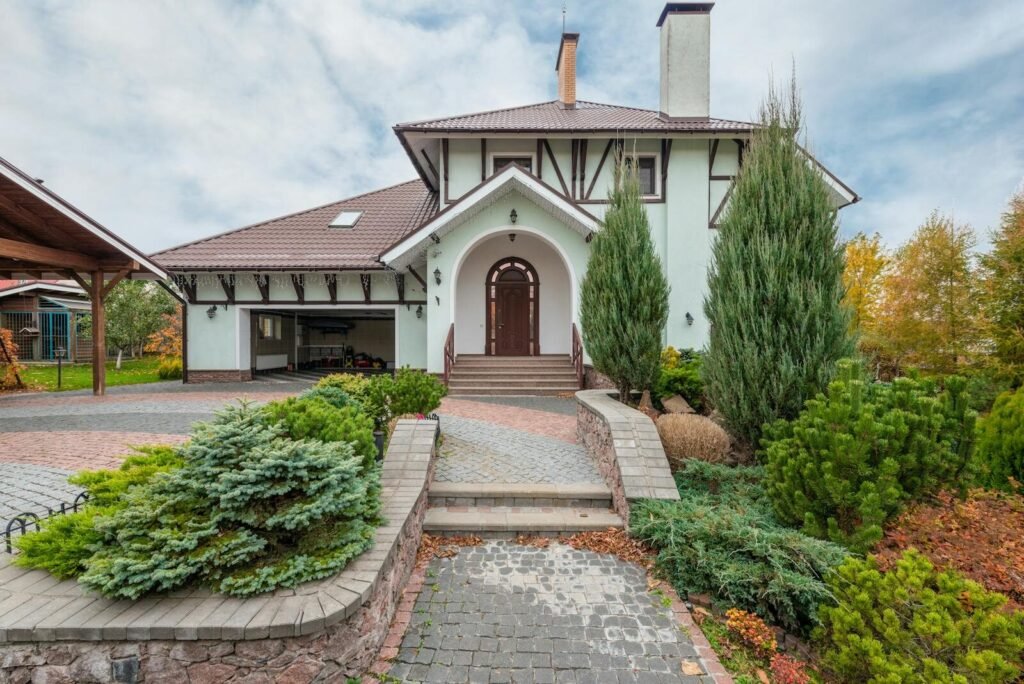
Mud, poor drainage, and bare spots can quickly detract from the beauty and usability of any yard. These common problem areas not only pose aesthetic challenges but can also impact the health of your lawn and garden. Addressing these issues effectively requires understanding their causes and implementing practical solutions tailored to the unique conditions of your outdoor space. This guide offers actionable advice on fixing mud, drainage, and bare spot problems to transform your yard into a lush, inviting environment.
You might also find this helpful: 7 Smart Storage Ideas for Small Spaces
Understanding the Causes of Mud and Drainage Problems
Mud and drainage issues often stem from water accumulation and soil compaction. When water does not drain properly, it saturates the soil surface, creating muddy patches that can become persistent nuisances. Common causes include:
- Improper grading: If your yard slopes toward the house or low spots, water collects instead of flowing away.
- Heavy clay soils: Clay retains water and drains slowly, leading to soggy ground.
- Compacted soil: Frequent foot traffic or heavy equipment compacts soil, reducing pore space and water infiltration.
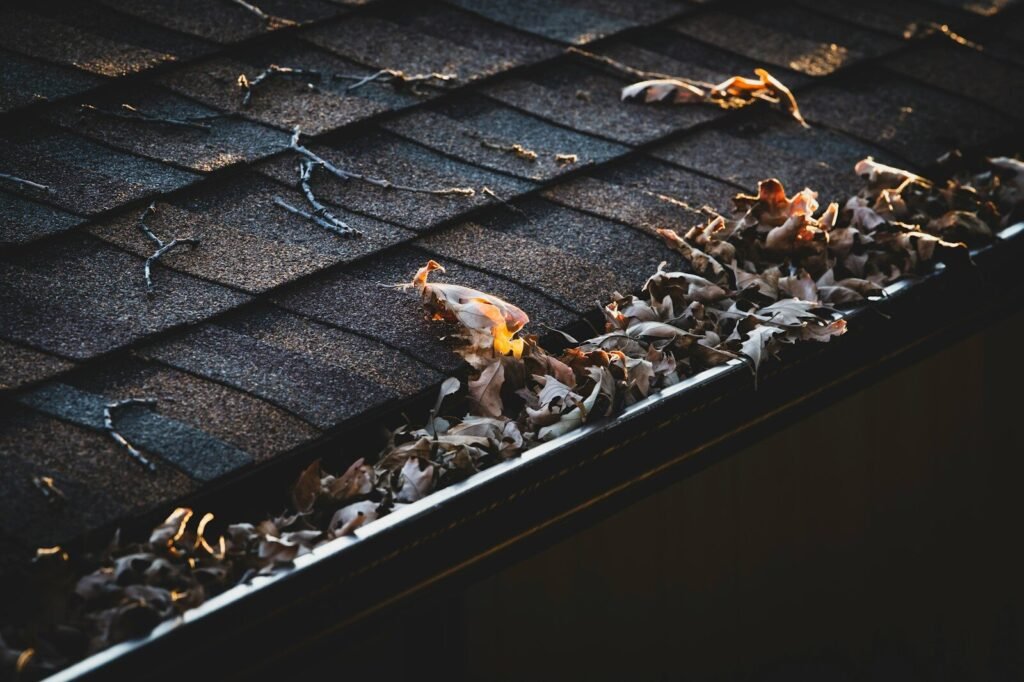
- Blocked drainage systems: Gutters, downspouts, or French drains clogged with debris can cause water overflow in unintended areas.
Identifying these underlying factors is the first step toward effective remediation.
Improving Drainage to Prevent Muddy Areas
Fixing drainage issues requires a combination of grading, soil amendments, and sometimes installing drainage systems. Here are practical steps to improve yard drainage:
- Regrade the yard: Ensure the land slopes away from foundations and low spots by at least 2% (about a quarter inch per foot). This encourages water to flow toward designated drainage areas.
- Incorporate organic matter: Adding compost or peat moss to heavy soils improves structure and drainage by increasing porosity.
- Install French drains: These underground trenches filled with gravel and perforated pipes redirect excess water away from problem areas.
- Use dry wells: Dry wells collect and disperse runoff water underground, reducing surface pooling.
- Extend downspouts: Direct roof runoff at least 5 feet away from the foundation to keep water from saturating nearby soil.
- Create rain gardens: Planting water-tolerant vegetation in a shallow depression can absorb and filter excess water naturally.
Consistent maintenance, such as clearing gutters and inspecting drainage channels, helps keep these solutions effective over time.
Tackling Bare Spots for a Healthy Lawn
Bare spots are often caused by poor soil conditions, heavy foot traffic, pests, or disease. Repairing these areas involves preparing the soil and selecting the right grass seed or sod. Follow these steps for successful lawn restoration:
- Remove dead grass and debris: Clear the area to expose the soil surface.
- Loosen compacted soil: Use a garden fork or aerator to break up the soil, improving root penetration and water absorption.
- Amend soil as needed: Test soil pH and nutrient levels, then add lime, fertilizer, or organic matter accordingly.
- Choose the appropriate grass type: Match seed or sod to your climate, sunlight exposure, and usage patterns. For example, shade-tolerant varieties work well under trees, while drought-resistant grasses suit sunny, dry areas.
- Seed or sod properly: Spread seed evenly and cover lightly with soil or mulch to retain moisture. When laying sod, stagger seams and press firmly to ensure good soil contact.
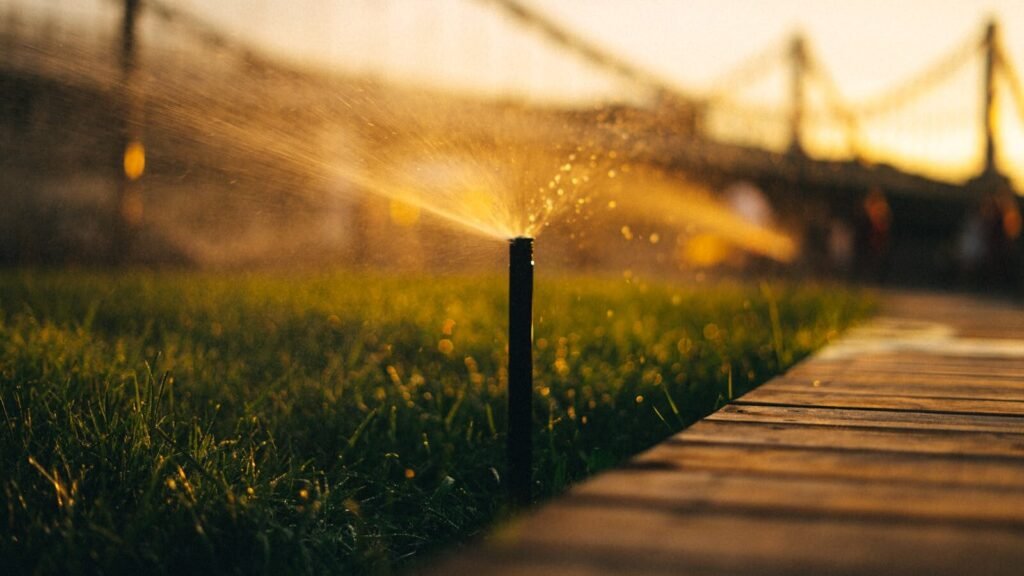
- Water consistently: Keep the soil moist until new grass establishes, typically watering daily for the first two weeks.
- Limit foot traffic: Avoid heavy use until the grass roots are well developed.
By addressing the causes of bare spots and providing proper care, these patches can quickly transform into vibrant lawn sections.
Managing Muddy Areas with Ground Cover Alternatives
In places where grass struggles to grow or mud persists despite drainage improvements, ground cover plants can be an excellent alternative. These plants stabilize soil, reduce erosion, and add visual interest. Consider these options:
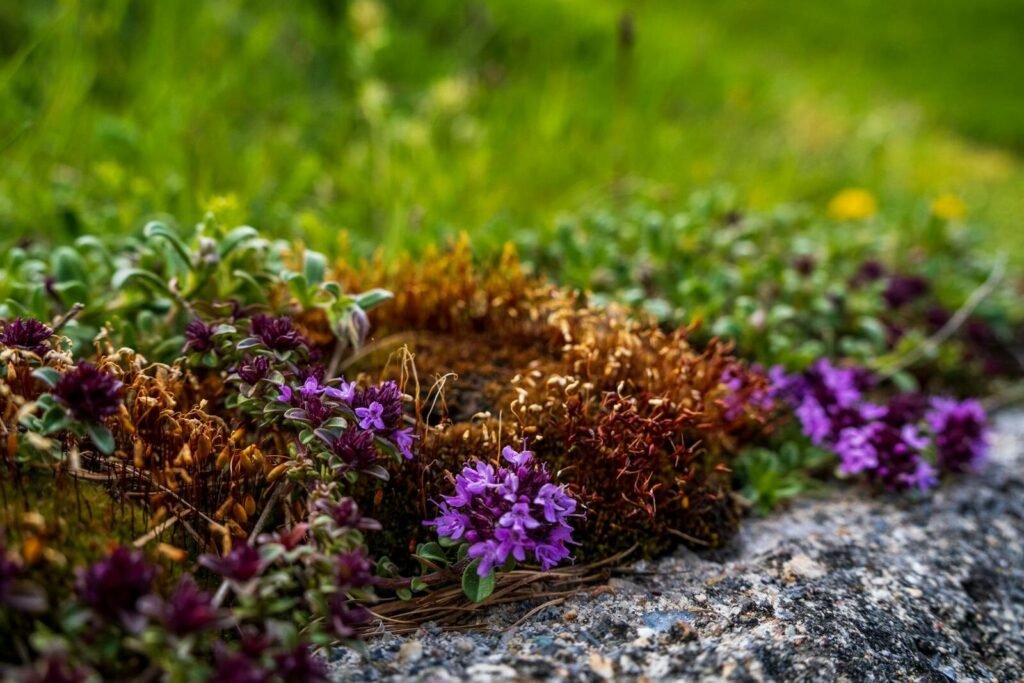
- Creeping thyme: A low-growing, fragrant herb that tolerates foot traffic and blooms with tiny flowers.
- Ajuga (bugleweed): A shade-tolerant ground cover with colorful foliage and spikes of blue flowers.
- Sedum: Succulent plants that thrive in dry, sunny spots and require minimal maintenance.
- Pachysandra: An evergreen ground cover ideal for shaded areas with dense coverage.
- Clover: A nitrogen-fixing plant that enriches the soil and withstands moderate foot traffic.
Using mulch or decorative gravel in high-traffic or persistently muddy zones can also keep the area functional and attractive.
Preventive Practices to Maintain a Healthy Yard
Once problem areas are fixed, ongoing care helps prevent their return. Incorporate these preventive measures into your yard maintenance routine:
- Regular aeration: Aerate the lawn annually to reduce compaction and improve water infiltration.
- Proper watering: Water deeply but infrequently to encourage deep root growth and avoid surface saturation.
- Seasonal fertilization: Apply fertilizer based on soil tests to keep grass healthy and resilient.
- Redirect runoff: Check gutters, downspouts, and drainage systems regularly to ensure proper water flow.
- Limit heavy traffic: Use stepping stones or pathways in high-use areas to protect grass and soil.
- Monitor for pests and disease: Early detection and treatment prevent damage that can lead to bare spots.
By combining corrective actions with preventive care it is absolutely possible to fix problem areas in your yard so you can enjoy a lush, mud-free yard that stands up to seasonal weather challenges.
Addressing mud, drainage, and bare spot issues in the yard is a manageable process with the right knowledge and tools. Homeowners who take proactive steps to assess soil conditions, improve drainage, and nurture their lawn will find their outdoor living space more enjoyable and visually appealing year-round.