
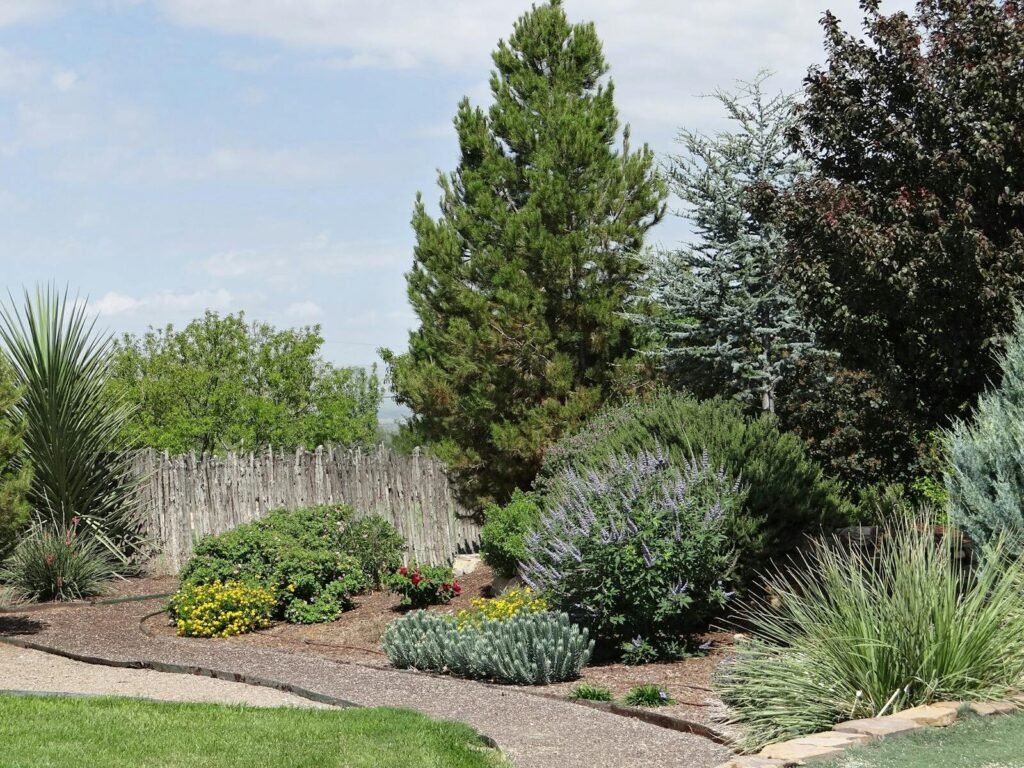
When trying to decide between gravel vs grass, you have to determine what actually makes sense for your yard and what noticeable difference it would make in your current yard maintenance routines. Choosing the right surface for your yard is a critical decision that affects not only the aesthetics but also the functionality and maintenance of your outdoor space. Gravel and grass are two of the most popular options homeowners consider, each bringing distinct advantages and challenges. Understanding the factors that differentiate gravel from grass can help make the decision clearer and more aligned with personal needs and lifestyle.
When deciding between gravel and grass, practical factors such as maintenance, durability, and environmental impact play a significant role.
Maintenance Requirements
Grass demands regular upkeep including mowing, watering, fertilizing, and sometimes pest control. This level of care can be time-consuming and costly, especially in climates where grass struggles to thrive without irrigation. In contrast, gravel requires minimal maintenance once installed. Occasional raking to keep it level and removing debris is usually sufficient. Gravel does not need watering or fertilizing, making it an attractive option for those seeking low-maintenance solutions.
Durability and Longevity
Grass is vulnerable to wear and tear, particularly in high-traffic areas, which can lead to bare patches and muddy spots. Seasonal changes and pests can also affect its health, necessitating reseeding or lawn repair. Gravel, however, offers excellent durability. It withstands heavy foot traffic and adverse weather without significant degradation. Over time, gravel may need replenishing or leveling, but this is generally less frequent and labor-intensive than lawn repair.
Environmental Impact
Grass provides environmental benefits such as carbon dioxide absorption, cooling effects, and habitat for certain wildlife. However, maintaining a healthy lawn often involves substantial water usage and chemical inputs. Gravel is inert and requires no watering, which conserves water resources. On the downside, gravel does not provide the same cooling or ecological benefits as grass and can contribute to heat retention in urban settings.
Aesthetic and Functional Differences
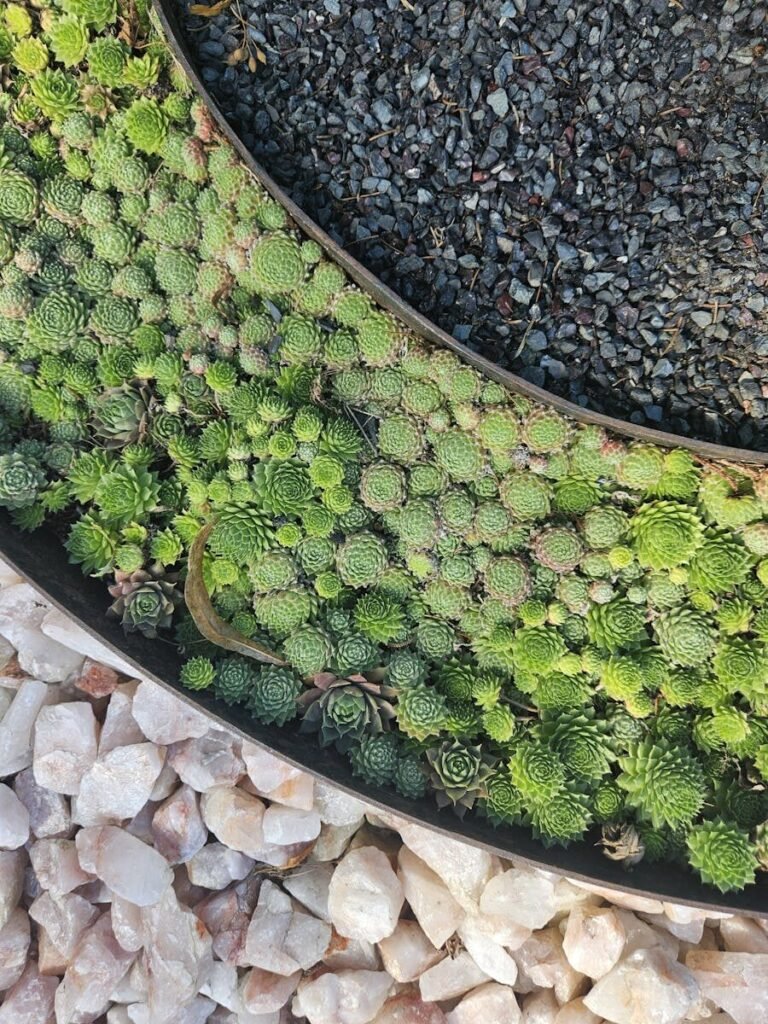
The choice between gravel and grass also hinges on the desired look and use of the yard.
Visual Appeal and Ambiance
Grass offers a classic, lush green look that many associate with natural beauty and relaxation. It softens the landscape and complements garden beds, trees, and outdoor furniture. Gravel, in contrast, provides a more modern or rustic aesthetic depending on the type and color selected. It can create clean lines and contrast that highlight architectural features or landscaping elements. Some homeowners appreciate gravel’s versatility in creating pathways, patios, or rock gardens.
Usability and Comfort
Grass is generally softer and more comfortable for bare feet, making it ideal for play areas, picnics, or lounging. It also provides a cool surface during hot weather. Gravel can be less forgiving underfoot and may not be suitable for all activities, especially those involving children or pets. However, gravel excels in drainage and can prevent muddy conditions after rain, which is beneficial in wetter climates or poorly draining soils.
Cost Considerations for Gravel and Grass
Budget is often a decisive factor in yard surface selection, encompassing both initial installation and ongoing expenses.
Installation Costs
Installing grass involves soil preparation, purchasing sod or seed, and sometimes irrigation systems. These upfront costs can vary widely depending on lawn size and quality. Gravel installation typically requires ground preparation and laying landscape fabric to prevent weed growth, followed by spreading the gravel. While gravel materials can be pricey, installation is often quicker and less labor-intensive, potentially reducing overall costs.
Long-Term Expenses
The ongoing costs of a grass lawn include water bills, fertilizers, pest treatments, mower fuel or electricity, and occasional lawn care services. Gravel’s long-term expenses are generally lower, limited to occasional gravel top-ups and basic maintenance tools. For those seeking a cost-efficient yard solution, gravel is commonly recognized as more economical over time.
Environmental and Regional Suitability
The choice between gravel and grass often depends on local climate and environmental conditions.
Climate Adaptability
Grass varieties differ in their tolerance to heat, drought, and cold, but all require some degree of water and care. In arid or drought-prone regions, maintaining a lush lawn can be challenging and unsustainable. Gravel is widely recommended in such areas as a drought-tolerant alternative. Conversely, in cooler, wetter climates, grass thrives naturally and can be the preferred option for a vibrant yard.
Soil and Drainage
Poor soil quality or drainage issues can hinder grass growth and lead to muddy patches. Gravel can improve surface drainage and reduce erosion on slopes or compacted soils. Homeowners dealing with drainage problems often find gravel a practical choice to enhance yard usability.
Enhancing Outdoor Spaces with Gravel or Grass
Both gravel and grass can serve as excellent foundations for outdoor living and grilling areas.
Creating Functional Zones
Gravel is popular for creating patios, walkways, and grilling zones due to its stability and fire resistance. It provides a clean, non-slip surface that accommodates grills, furniture, and foot traffic without damage. Grass areas can complement these functional zones by offering open spaces for relaxation and play, contributing to a balanced yard layout.
Combining Gravel and Grass
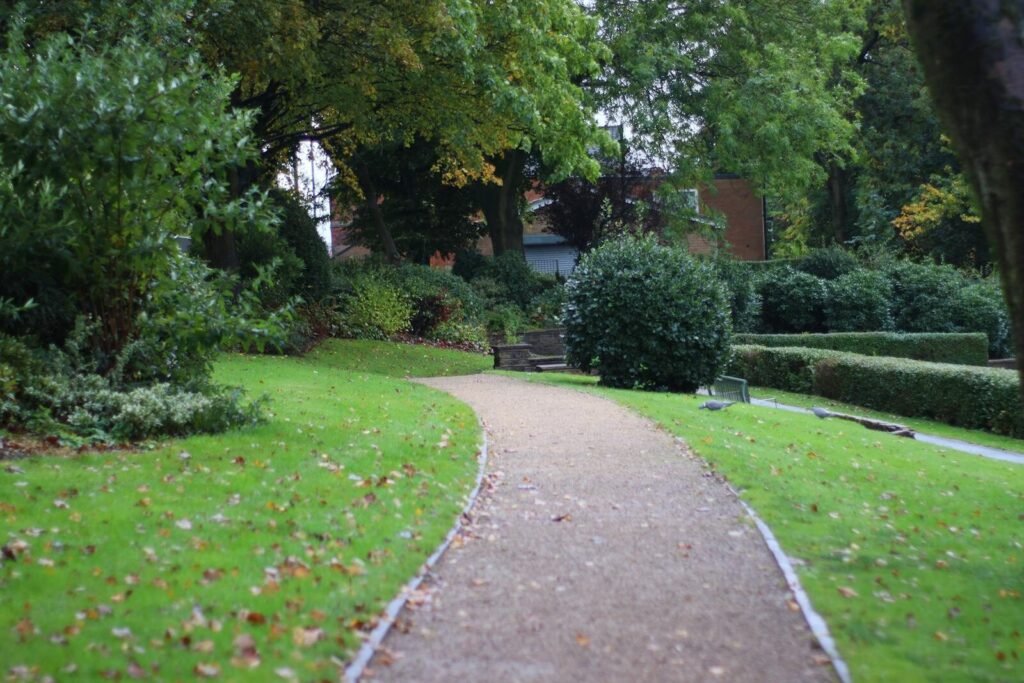
Many homeowners are opting to blend gravel and grass, capitalizing on the strengths of each. Gravel paths or seating areas bordered by grass create visual interest and distinct functional zones while managing maintenance and usability. This hybrid approach allows for creativity in design and maximizes the benefits of both materials.
Actionable Takeaways
- If low maintenance and durability are priorities, gravel is a practical choice, especially in dry or high-traffic areas.
- For a traditional, soft, and cooling yard surface ideal for relaxation and play, grass remains a popular and effective option.
- Consider climate and soil conditions when evaluating which surface will thrive and remain cost-effective long term.
- Combining gravel and grass can optimize both aesthetics and functionality, creating versatile outdoor spaces.
- Budget for installation and ongoing maintenance costs to ensure the chosen yard surface aligns with financial expectations.
- Evaluate the primary use of the yard—whether for grilling, play, or relaxation—to select the surface that best supports those activities.
By weighing these factors carefully, homeowners can make an informed decision that enhances their outdoor living experience and suits their lifestyle.
Start with one practical upgrade today—choose the idea from gravel vs grass what actually makes sense for your yard that fits your space, your gear, or your routine, and build from there.
You Might Also Enjoy
If you found this helpful, you might also like: