
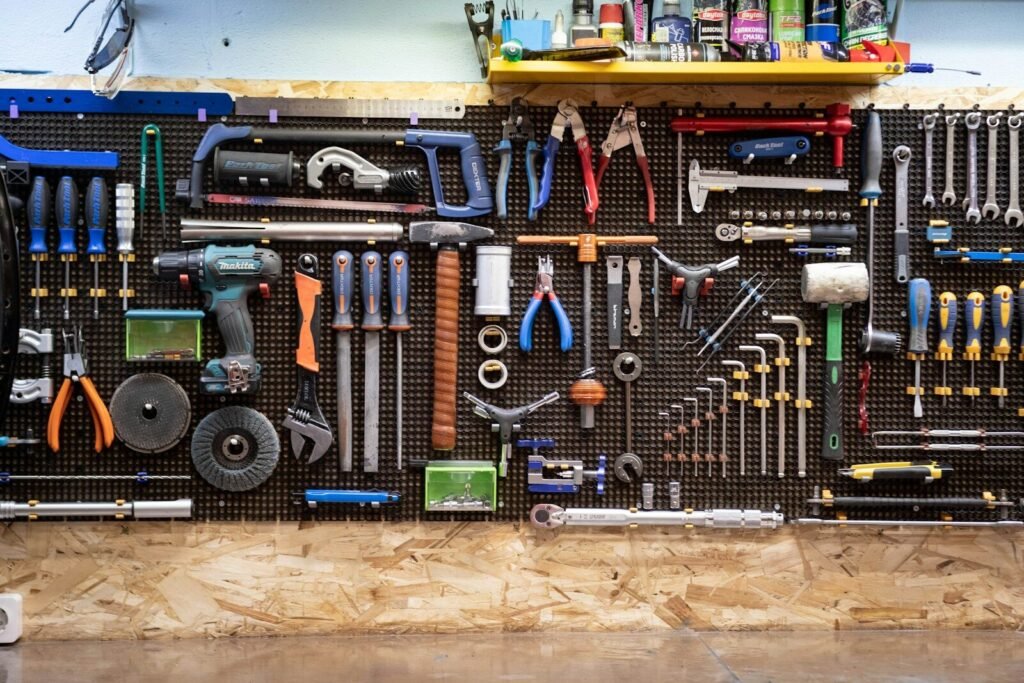
Maintaining tools properly is essential for ensuring they remain reliable and effective over many years. Whether for professional tradespeople or DIY enthusiasts, well-cared-for tools reduce the risk of damage, improve safety, and save money by extending the lifespan of valuable equipment. This article offers practical advice and actionable tips on how to maintain your tools so they last for years, focusing on cleaning, storage, inspection, and repair practices that are widely recommended.
You might also find this helpful: Portable Power Stations: Are They Actually Worth It?
Affiliate note: This article may contain affiliate links.
Clean Tools Regularly to Prevent Damage
Dirt, rust, and debris can significantly reduce the functionality and lifespan of tools. Cleaning tools after each use is a simple habit that pays off in the long term.
- Hand Tools: Wipe metal parts with a dry or slightly oiled cloth to remove dirt and moisture. Use a wire brush for stubborn rust or dried-on debris. Avoid soaking wooden handles to prevent warping.
- Power Tools: Blow out dust and debris from vents and moving parts with compressed air. Clean blades and bits with a brush or cloth, ensuring no residue is left that could interfere with performance.
- Garden Tools: Remove soil and plant matter promptly after use. A stiff brush or hose can help, followed by drying to prevent rust.
Consistent cleaning helps prevent corrosion and mechanical issues, keeping tools ready for use.
Store Tools Properly to Avoid Wear and Tear
Proper storage is crucial to protect tools from environmental damage and accidental harm. The right storage method varies depending on the type and size of the tools.
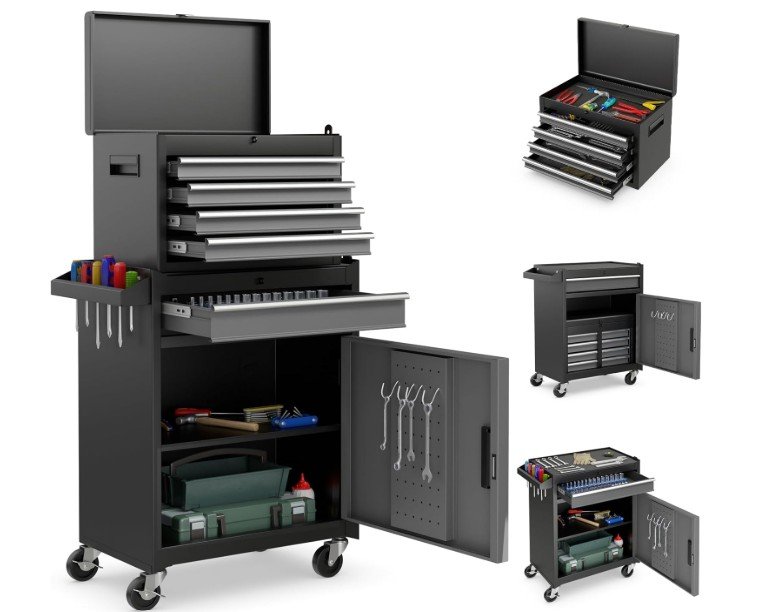
- Toolboxes and Cabinets: Use these to keep small to medium-sized tools organized and protected from dust and moisture. Lining drawers with foam or cloth can prevent scratching.
- Wall Racks and Pegboards: Ideal for frequently used hand tools, these options keep tools visible and accessible while preventing damage.
- Climate-Controlled Areas: Avoid storing tools in damp basements or unheated garages where condensation can cause rust. A dry, well-ventilated space is best.
- Protective Covers: For large power tools, use dust covers to reduce exposure to airborne particles.
Organizing tools efficiently also reduces wear from knocking against each other and helps users maintain awareness of the tools’ condition.
Inspect Tools Regularly for Early Problem Detection
Regular inspections help identify issues before they become serious, which can prevent costly repairs or replacements.
- Check Handles: Look for cracks or splinters in wooden or plastic handles that could cause injury or break during use.
- Examine Blades and Bits: Inspect for dullness, chips, or bends. Sharp cutting edges perform better and are safer.
- Test Moving Parts: For pliers, wrenches, or power tools, ensure hinges and joints move smoothly without excessive play or stiffness.
- Look for Rust or Corrosion: Address any signs of rust early by cleaning and applying rust inhibitors.
A routine inspection schedule, such as monthly or after every heavy use, keeps tools in peak condition.
Lubricate Moving Parts to Maintain Smooth Operation
Lubrication reduces friction and prevents parts from seizing or wearing prematurely.
- Hinged Tools: Apply a few drops of general-purpose oil to pliers, scissors, and similar tools.
- Power Tools: Use manufacturer-recommended lubricants on gears, bearings, and other critical components.
- Precision Instruments: Use light machine oil to keep delicate parts moving freely.
Avoid over-lubrication, which can attract dirt and cause gumming. Wipe off excess lubricant after application.
Sharpen Cutting Tools to Enhance Performance
Dull tools not only make work harder but also increase the risk of accidents. Keeping blades sharp ensures efficient cutting and safer handling.
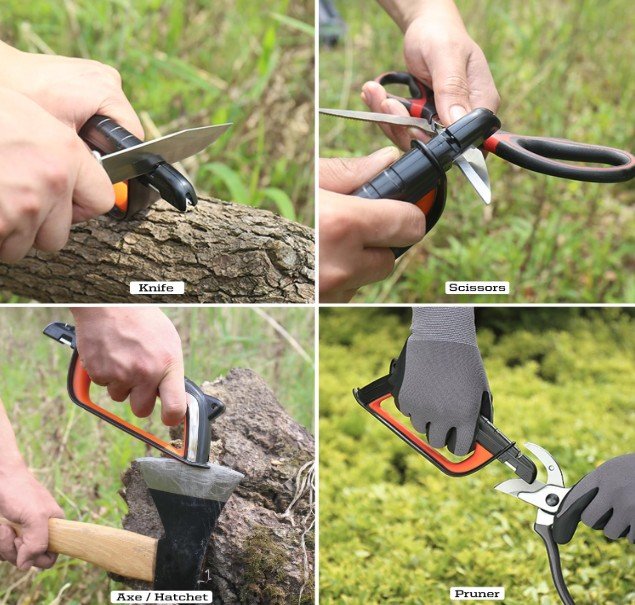
- Hand Saws and Knives: Use sharpening stones or files designed for the tool’s blade type.
- Pruning Shears and Scissors: Sharpen with a fine file or specialized sharpening tool, following the blade’s bevel.
- Chisels and Planes: Maintain a precise edge with honing stones and stropping.
Regular sharpening, combined with proper storage and cleaning, significantly extends tool life.
Repair or Replace Parts Promptly
Addressing minor damage immediately prevents it from worsening and keeps tools functional.
- Replace Worn Handles: Many tools allow handle replacements, which restore grip and safety.
- Tighten Loose Screws and Bolts: Loose fasteners can impair tool function and cause damage.
- Swap Out Blades and Bits: When sharpening no longer suffices, replacing cutting components maintains tool effectiveness.
- Consult Professionals: For complex repairs, especially on power tools, seek expert service to avoid further damage.
Timely repairs save money and maintain tool reliability.
Use Tools Correctly to Avoid Premature Wear
Proper usage is a fundamental aspect of tool maintenance. Misusing tools can lead to damage that no amount of upkeep can fully prevent.
- Choose the Right Tool for the Job: Using a screwdriver as a chisel or a wrench as a hammer increases wear and risk of breakage.
- Avoid Excessive Force: Tools are designed to handle certain loads; applying too much force can cause deformation or failure.
- Follow Manufacturer Guidelines: Power tools often have specific instructions regarding use and maintenance that prolong their lifespan.
Educating users on correct handling practices preserves tool integrity over time.
Keep a Maintenance Log for Detailed Tracking
Especially for professionals or serious hobbyists, documenting maintenance activities helps ensure no step is overlooked and facilitates long-term care.
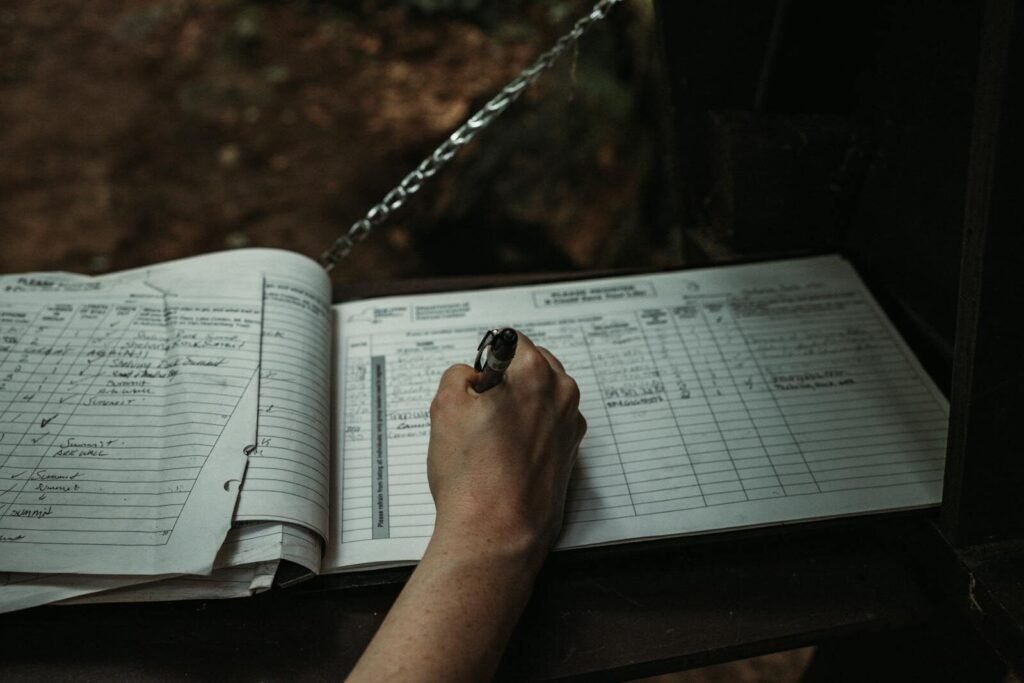
- Record Cleaning and Lubrication Dates: Helps maintain a consistent schedule.
- Track Repairs and Part Replacements: Useful for warranty claims and future reference.
- Note Tool Usage Frequency: Identifies tools requiring more frequent attention.
A simple notebook or digital spreadsheet can serve as an effective maintenance log.
Maintaining your tools so they last for years involves a combination of regular cleaning, proper storage, timely inspections, and correct usage. Adopting these habits not only extends the life of tools but also enhances safety and efficiency during every project. By integrating these practical steps into routine care, tools can remain dependable assets for the long haul.
You Might Also Enjoy
- Corded vs Cordless Tools: Which Is Better for Real Work?
- 10 Must-Have Tools Every Homeowner Needs
- Best Way to Store Tools in a Small Garage
Affiliate note: This article may contain affiliate links. If you purchase through these links, we may earn a small commission at no additional cost to you.