
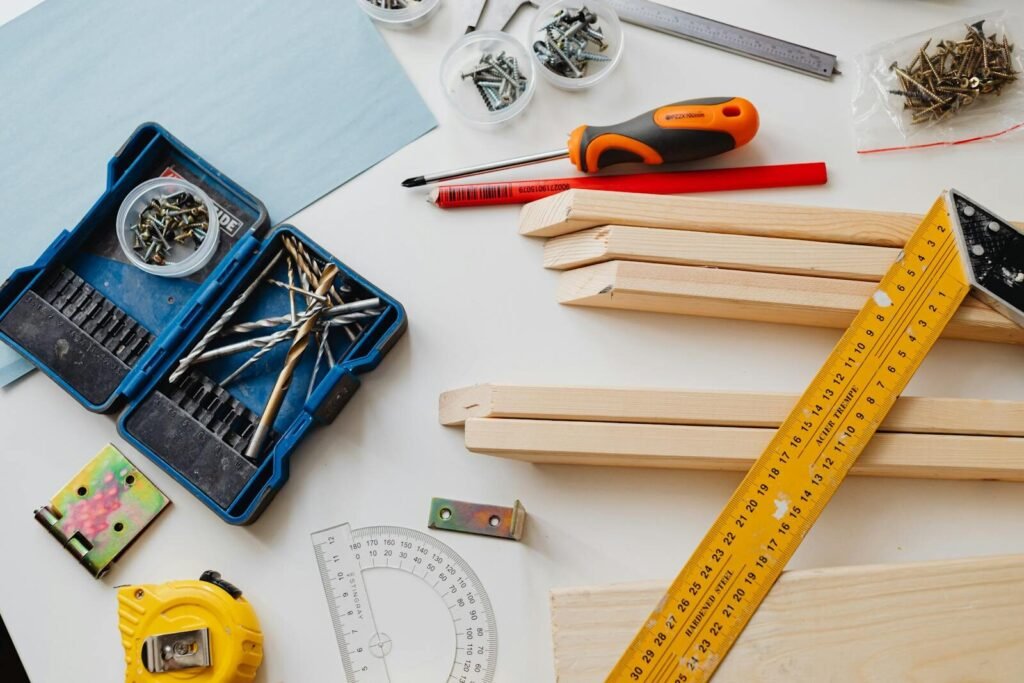
Getting started with beginner DIY projects is a great way to build hands-on skills that can save money, improve home functionality, and foster a sense of accomplishment. However, not all projects are created equal when it comes to teaching useful skills. Some beginner efforts might be too simplistic or lack practical application beyond the initial build. This guide highlights beginner DIY projects that genuinely teach valuable skills, from basic tool handling to essential home maintenance techniques. Each project comes with clear examples and actionable takeaways to help new DIYers build confidence and competence. This is especially true when it comes to beginner DIY projects that actually teach you useful skills.
Check out this book: DIY Woodworking Projects for Beginners
Before diving into specific projects, it’s important to understand the kinds of skills that beginner DIY endeavors can develop. These include:
- Tool Familiarity: Learning to safely use common tools like hammers, screwdrivers, drills, and saws.
- Measuring and Planning: Developing precision in measuring materials and following plans.
- Material Handling: Understanding different materials such as wood, metal, or fabric and how they respond to cutting, joining, or finishing.
- Problem-Solving: Troubleshooting issues that arise during a project and adapting plans as needed.
- Basic Electrical or Plumbing Skills: Gaining comfort with simple wiring or pipe fitting tasks relevant to home repairs.
Projects that incorporate these elements provide a solid foundation for more complex DIY work.
Building a Simple Wooden Shelf
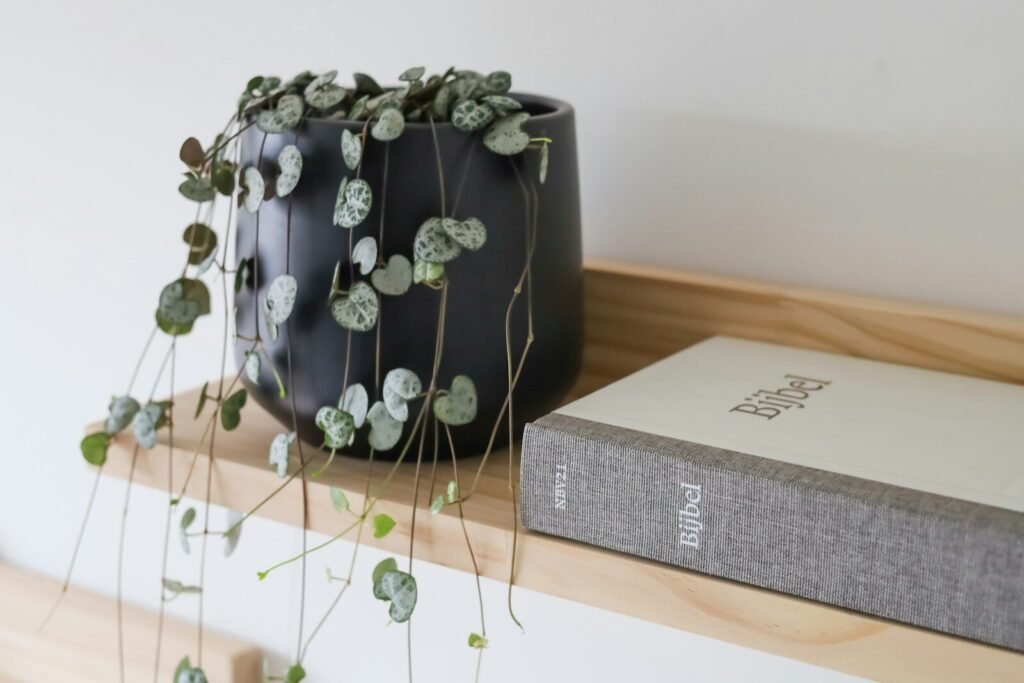
Constructing a wooden shelf is widely recommended for beginners because it covers several fundamental skills. The project requires measuring and cutting wood, drilling holes, assembling parts with screws or nails, and applying finishes like paint or stain.
Key Skills Developed:
- Using a tape measure and square for accuracy.
- Operating a handsaw or power saw safely.
- Handling a drill and screwdriver correctly.
- Learning about wood types and finishes.
Actionable Takeaway: Start with a straightforward design such as a floating shelf or a basic wall-mounted unit. Use pre-cut lumber if cutting is intimidating at first, then gradually attempt cutting your own pieces as confidence grows.
Installing a Backsplash in the Kitchen
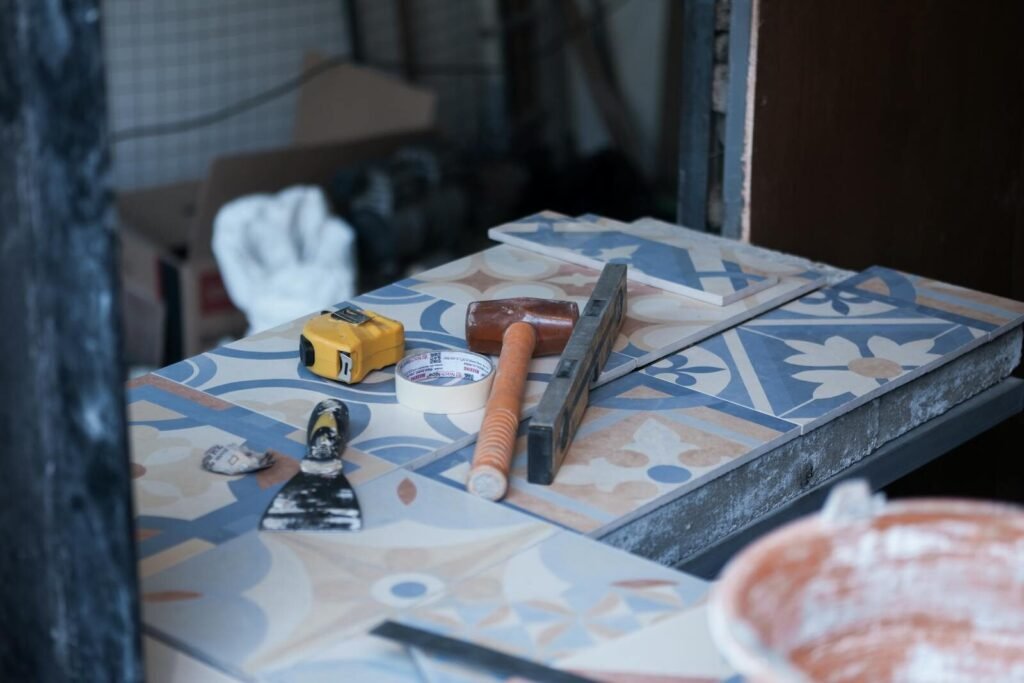
Installing a backsplash tile can be a rewarding DIY project that introduces tiling techniques and basic home improvement skills. It requires surface preparation, cutting tiles to fit, applying adhesive, and grouting.
Key Skills Developed:
- Surface cleaning and preparation to ensure tile adhesion.
- Cutting tiles with a tile cutter or wet saw.
- Applying adhesive evenly and setting tiles with proper spacing.
- Mixing and applying grout effectively.
Actionable Takeaway: Choose peel-and-stick backsplash tiles for an easier start or traditional ceramic tiles for a more skill-intensive experience. This project teaches precision and patience, essential for many home improvement tasks.
Fixing a Leaky Faucet
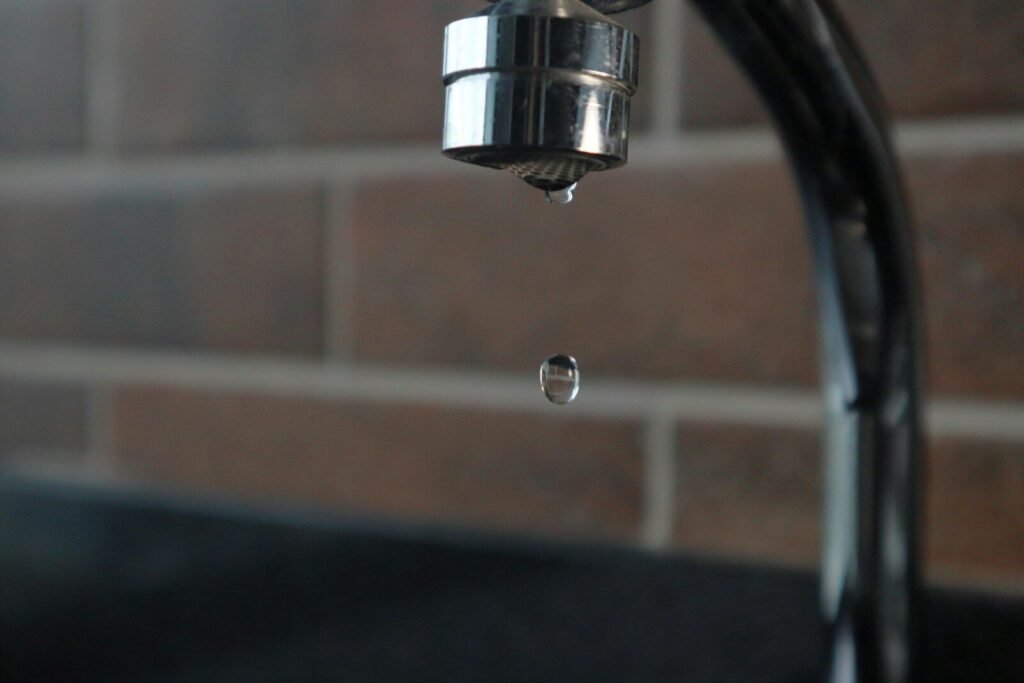
Addressing a simple plumbing issue like a leaky faucet teaches valuable repair skills and can save money on costly plumber visits. The task involves identifying the source of the leak, disassembling parts, replacing washers or seals, and reassembling everything securely.
Key Skills Developed:
- Understanding basic faucet components.
- Using wrenches and pliers properly.
- Diagnosing common causes of leaks.
- Applying plumber’s tape and sealants.
Actionable Takeaway: Begin with a drip coming from a single faucet type, such as compression or cartridge faucets, which are commonly found in homes. Watching tutorial videos alongside the repair can boost confidence and accuracy.
Assembling and Repairing Furniture
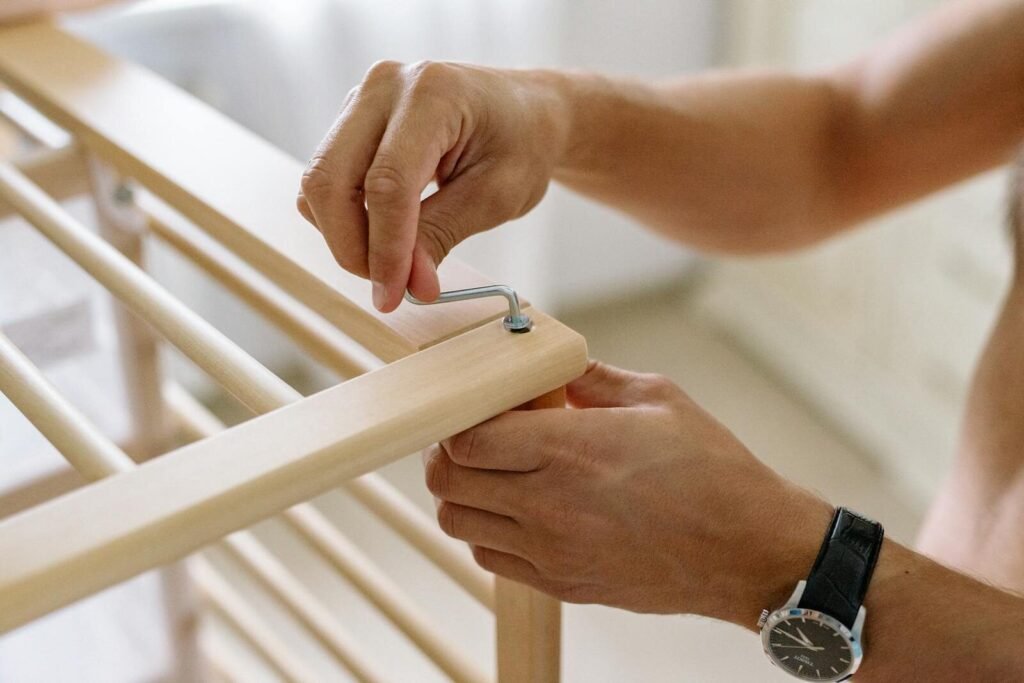
Many furniture pieces come flat-packed with instructions, making assembly an accessible project for beginners. Repairing wobbly chairs or loose drawers further expands skills in tool use and problem-solving.
Key Skills Developed:
- Interpreting instruction manuals and diagrams.
- Using screwdrivers, Allen wrenches, and sometimes drills.
- Identifying loose joints and reinforcing them.
- Refinishing surfaces through sanding or touch-ups.
Actionable Takeaway: Start with small furniture items like side tables or bookshelves before tackling larger pieces. Repairing old furniture develops an understanding of joinery and structural integrity.
Painting Walls and Surfaces
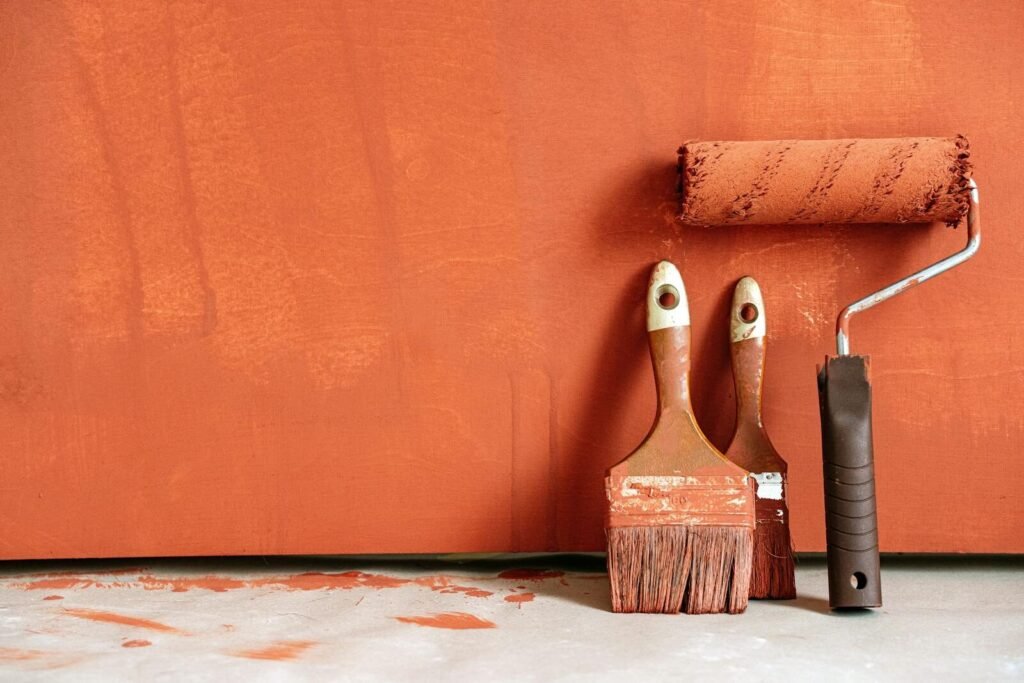
Painting may seem simple, but it teaches surface preparation, paint selection, proper application techniques, and cleanup. These are essential skills for refreshing spaces or tackling more advanced decorative finishes later.
Key Skills Developed:
- Cleaning and sanding surfaces.
- Selecting appropriate paint types for different rooms.
- Using brushes, rollers, and painter’s tape effectively.
- Applying primers and multiple coats evenly.
Actionable Takeaway: Practice on small walls or furniture pieces first to master brush and roller control. Understanding paint drying times and cleanup enhances overall project quality.
Creating a Basic Herb Garden

Setting up an indoor or outdoor herb garden combines DIY creativity with plant care knowledge. Building simple planter boxes or containers involves woodworking and design skills, while gardening introduces plant maintenance essentials.
Key Skills Developed:
- Measuring and assembling planter boxes.
- Selecting suitable soil and fertilizers.
- Understanding watering and lighting needs.
- Planning space for growth and harvesting.
Actionable Takeaway: Start with easy-to-grow herbs like basil, mint, or parsley. Container gardening offers flexibility in placement and design, encouraging experimentation with materials and layouts.
Installing Simple Lighting Fixtures
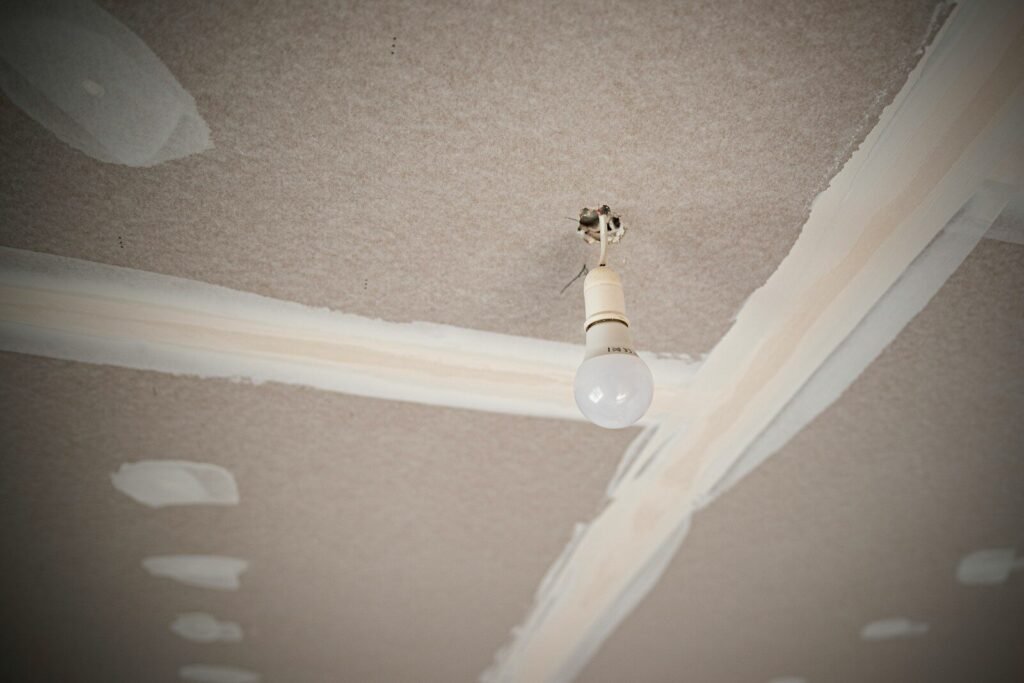
Replacing or installing basic light fixtures is a practical electrical project that introduces safety protocols and wiring knowledge. It requires turning off power, connecting wires correctly, and mounting fixtures securely.
Key Skills Developed:
- Reading electrical wiring diagrams.
- Identifying live, neutral, and ground wires.
- Using wire strippers and connectors safely.
- Testing circuits and ensuring proper installation.
Actionable Takeaway: Begin with non-complex fixtures such as ceiling lights or wall sconces. Always adhere to safety guidelines and consider consulting professional resources or electricians when uncertain.
Embarking on these beginner DIY projects provides more than just finished products. They build a foundation of useful skills that empower individuals to tackle a wide range of home improvement and repair tasks. By choosing projects that focus on essential techniques, new DIYers can gain confidence and practical knowledge, turning simple efforts into valuable lifelong abilities.
You Might Also Enjoy
Looking to upgrade your setup further? Check out these next: