
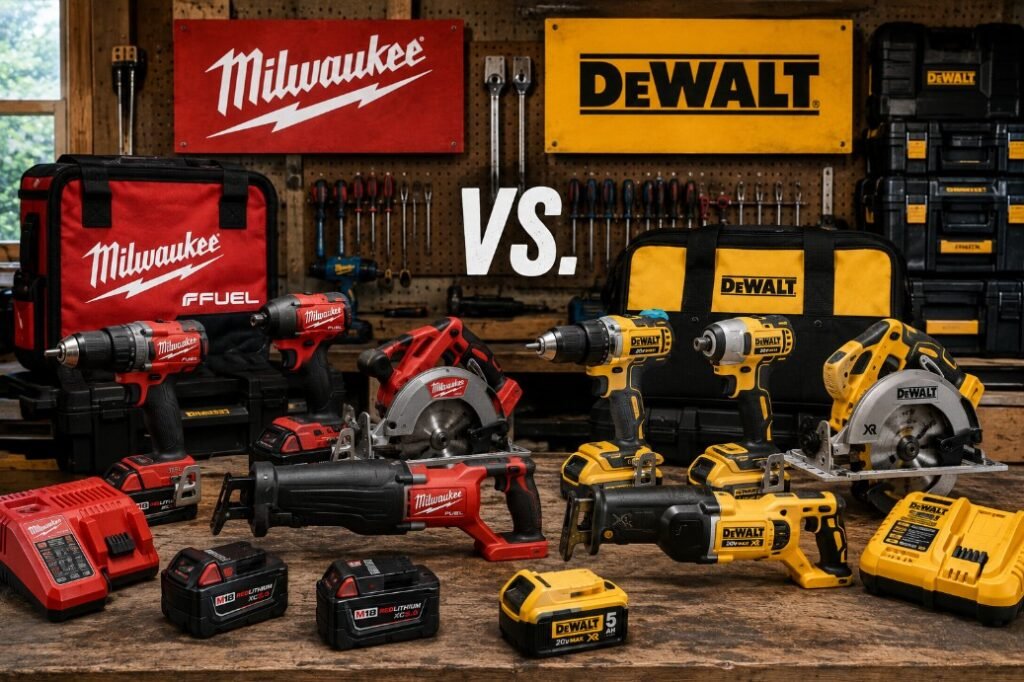
Milwaukee and DeWalt are two of the most recognized names in power tools and equipment, often compared by professionals and DIYers alike. Both brands offer extensive lines of cordless and corded tools, accessories, and storage solutions designed to support a wide range of building, repair, and maintenance tasks. Deciding which brand is better suited for your needs can be challenging, especially if you want to invest in tools that deliver reliable performance, durability, and value over time.
This comparison will help clarify the strengths and weaknesses of Milwaukee and DeWalt by examining key aspects, including product offerings, performance, durability, and cost. Understanding these differences will empower you to make a well-informed decision that aligns with your skill level, project types, and budget.
Quick Facts
- Products Compared: Cordless drills, impact drivers, saws, and other common power tools
- Best Overall Use: Milwaukee for heavy-duty professional use; DeWalt for versatile mid-range and entry-level applications
- Budget Range: Milwaukee generally commands a higher price point; DeWalt offers more budget-friendly options
- Best For: Milwaukee suits users needing advanced features and robust build; DeWalt fits those seeking solid performance with broad availability
Comparison Overview
Milwaukee and DeWalt are often pitted against each other because both brands cater to similar markets of contractors, tradespeople, and serious DIY enthusiasts. Milwaukee is known for its focus on innovation and technology, frequently introducing tools with specialized features designed for demanding job sites. DeWalt, on the other hand, has built a reputation for providing a wide selection of reliable tools that balance performance and affordability.
Many users compare these brands when looking for cordless power tools, as both offer comprehensive 20V lithium-ion lines with compatible batteries and chargers. Beyond cordless tools, each brand also produces hand tools, accessories, and storage solutions, making the choice a significant one for anyone looking to build a cohesive workshop or tool kit.
Side-by-Side Comparison
| Feature | Milwaukee | DeWalt |
|---|---|---|
| Tool Range | Extensive, with focus on professional-grade and specialty tools | Broad, covering entry-level to professional tools |
| Battery System | REDLITHIUM battery technology, known for high capacity and durability | 20V MAX battery system, widely compatible and accessible |
| Build Quality | Heavy-duty construction, often with metal components | Durable but with more plastic components to reduce weight |
| Performance | High torque and speed, suited for tough applications | Balanced power and speed, suitable for most common tasks |
| Innovation | Advanced electronics, brushless motors, and smart tool features | Steady improvements, with emphasis on ergonomics and usability |
| Price Point | Typically higher, reflecting premium features | More budget-friendly, with many mid-range options |
| Warranty | Usually 5-year limited warranty | Typically 3-year limited warranty |
| Tool Availability | Strong presence in professional supply stores | Widely available in big-box retailers and online |
Key Differences
Battery Technology and Compatibility
Milwaukee’s REDLITHIUM battery packs are designed to maximize runtime and deliver consistent power under heavy loads. They tend to have slightly higher capacity and longevity compared to DeWalt’s 20V MAX batteries. However, DeWalt’s battery system is known for its broad compatibility across many tools, making it easier to expand your collection without replacing batteries.
Tool Selection and Specialty Options
Milwaukee often leads in specialized tools tailored to trades such as plumbing, electrical, and HVAC, offering advanced features like integrated electronics for tool tracking and diagnostics. DeWalt focuses on a broad spectrum of tools that cover general construction, woodworking, and home improvement, with a larger variety of entry-level and mid-range tools.
Build and Ergonomics
Milwaukee tools generally feature a heavier, more rugged build designed to withstand harsh job site conditions. This includes metal housings and reinforced components. DeWalt tools often prioritize ergonomics and lighter weight, making them easier to handle for extended periods, which is advantageous for less intensive or longer-duration work.
Price and Warranty
Milwaukee tools typically come at a premium price, justified by their advanced features and professional-grade durability. They also offer longer warranty periods, reflecting confidence in long-term performance. DeWalt’s pricing structure includes more affordable options and shorter warranties, appealing to budget-conscious buyers or those with lighter usage needs.
Availability and Support
DeWalt tools are widely available in major retail stores, making them easier to find and replace accessories. Milwaukee tools are more prevalent in professional supply outlets, which might be less accessible but offer more specialized support and service options.
Performance and Everyday Use
Power and Torque
Milwaukee tools often deliver higher torque and faster speeds, making them better suited for heavy fastening, drilling through dense materials, and demanding construction tasks. This makes them a reliable choice for professionals who require consistent, high output. DeWalt tools provide sufficient power for most common applications such as framing, drywall installation, and light-to-medium woodworking.
Battery Life and Charging
Users frequently note that Milwaukee’s REDLITHIUM batteries maintain power longer and have slower capacity degradation over time. The batteries also perform well in colder conditions. DeWalt’s batteries offer quick charging and are widely interchangeable, which can be a practical advantage when managing multiple tools on a budget.
Tool Weight and Handling
DeWalt’s emphasis on ergonomic design results in tools that are often lighter and better balanced. This can reduce user fatigue during prolonged use or when working in tight spaces. Milwaukee tools, while more robust, may feel heavier, which is a worthwhile trade-off for users who prioritize durability and raw power.
Noise and Vibration
Both brands have made strides in reducing noise and vibration, but Milwaukee’s brushless motor technology often delivers quieter operation and smoother control. DeWalt tools may produce slightly more vibration, but this is typically manageable with proper technique and protective gear.
Versatility and Accessories
DeWalt’s extensive accessory lineup and tool compatibility make it easier to customize toolkits for various projects. Milwaukee’s specialized tools and accessories cater more to professional niches, which can be a significant advantage for trade-specific tasks but less so for general home use.
Durability and Maintenance
Both Milwaukee and DeWalt build tools intended for long-term use, but the materials and design philosophies differ. Milwaukee’s tools tend to have more metal parts and reinforced housings, which improves resistance to drops, impacts, and daily wear on demanding sites. This can result in fewer repairs and longer service life under heavy use.
DeWalt tools focus on balancing durability with weight, often using high-quality plastics combined with metal reinforcements in critical areas. Maintenance is straightforward for both brands, with user-replaceable brushes and accessible battery compartments. Warranty service and repair support are generally reliable, with Milwaukee’s longer warranty offering additional peace of mind for professional users.
Cost and Overall Value
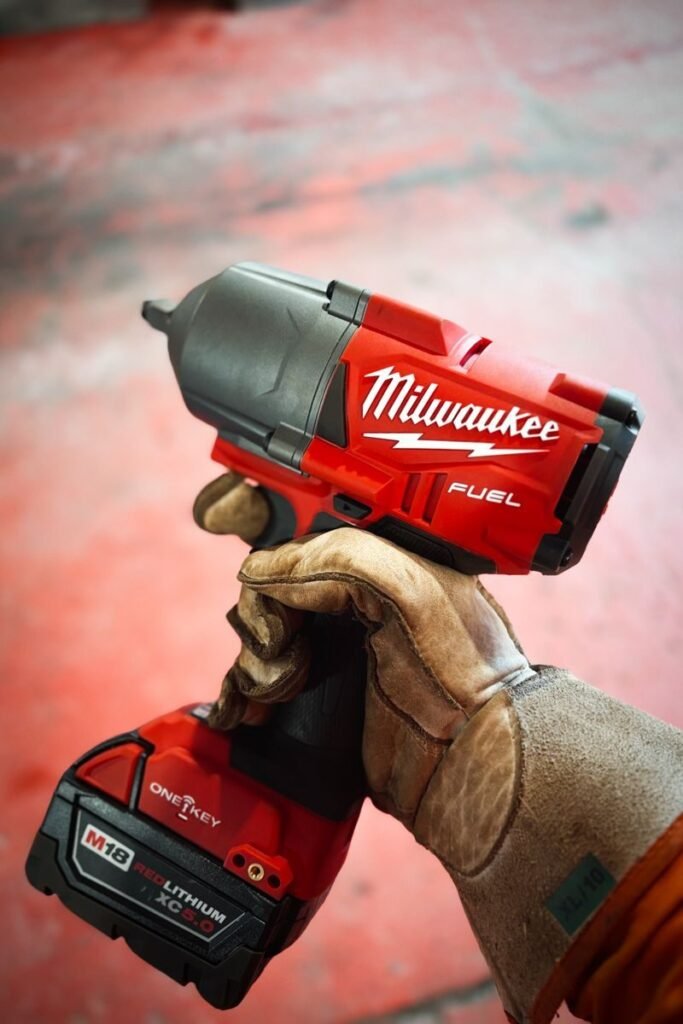
Milwaukee tools generally carry a higher upfront cost, reflecting their premium features, robust construction, and extended warranties. This investment can pay off for professionals or serious hobbyists who demand consistent performance and durability on tough jobs. The brand’s innovation and specialized tools also add value for users with specific trade needs.
DeWalt offers more affordable tools that deliver solid performance for most residential and light commercial tasks. For users who do not require advanced features or extreme durability, DeWalt provides excellent value and easier access to replacement parts and accessories. Its broad product range means buyers can start with basic tools and upgrade as needed without a large initial outlay.
Who Should Choose Each Option
Professionals and Heavy-Duty Users
Milwaukee is the better choice for professionals or users who regularly work in tough environments and require tools that can handle high stress, long hours, and specialized applications. The brand’s advanced battery technology, rugged build, and extended warranty support this intensive use.
Budget-Conscious DIYers and Occasional Users
DeWalt is well suited for homeowners, hobbyists, and light contractors who want reliable tools at a reasonable price. Its ergonomic designs and wide availability make it a practical option for those who need dependable performance without the premium cost.
Trade-Specific Specialists
Users in specialized trades such as plumbing, electrical, or HVAC may find Milwaukee’s targeted tool lineup and innovative features more beneficial. These tools often include trade-specific functions that improve efficiency and precision.
Workshop Builders and Tool Collectors
DeWalt’s broad tool compatibility and accessory options make it easier to build an integrated workshop or expand tool collections over time. For those who want versatility and easy replacement parts, DeWalt offers a flexible platform.
Final Thoughts
Choosing between Milwaukee and DeWalt comes down to understanding your specific needs, work environment, and budget. Milwaukee shines in professional-grade durability, advanced technology, and specialized tools designed for demanding users. Its higher price point may be justified if you need tools that deliver consistent power and long-term reliability on tough jobs.
DeWalt, meanwhile, offers a wide range of dependable tools with a focus on ergonomics, accessibility, and affordability. It is well-suited to hobbyists, occasional users, and professionals who prioritize versatility and value without sacrificing essential performance. By considering the differences in battery technology, build quality, and tool selection, you can make a choice that best supports your projects and skill level.
Frequently Asked Questions
Q: Are Milwaukee and DeWalt batteries interchangeable?
A: No, Milwaukee and DeWalt use different proprietary battery systems, so their batteries are not compatible with each other’s tools.
Q: Which brand offers better warranties?
A: Milwaukee typically provides a 5-year limited warranty, while DeWalt usually offers 3 years, reflecting their different market focuses.
Q: Are Milwaukee tools heavier than DeWalt?
A: Generally, yes. Milwaukee tools often have more metal components, resulting in a heavier but more rugged build compared to DeWalt’s lighter designs.
Q: Can beginners use Milwaukee tools effectively?
A: Yes, but Milwaukee tools are often designed for professional use and may be more than necessary for simple home projects. DeWalt might be more beginner-friendly.
Q: Where can I buy Milwaukee and DeWalt tools?
A: DeWalt tools are widely available in big-box stores and online retailers, while Milwaukee tools are commonly found in professional supply stores and select online outlets.