
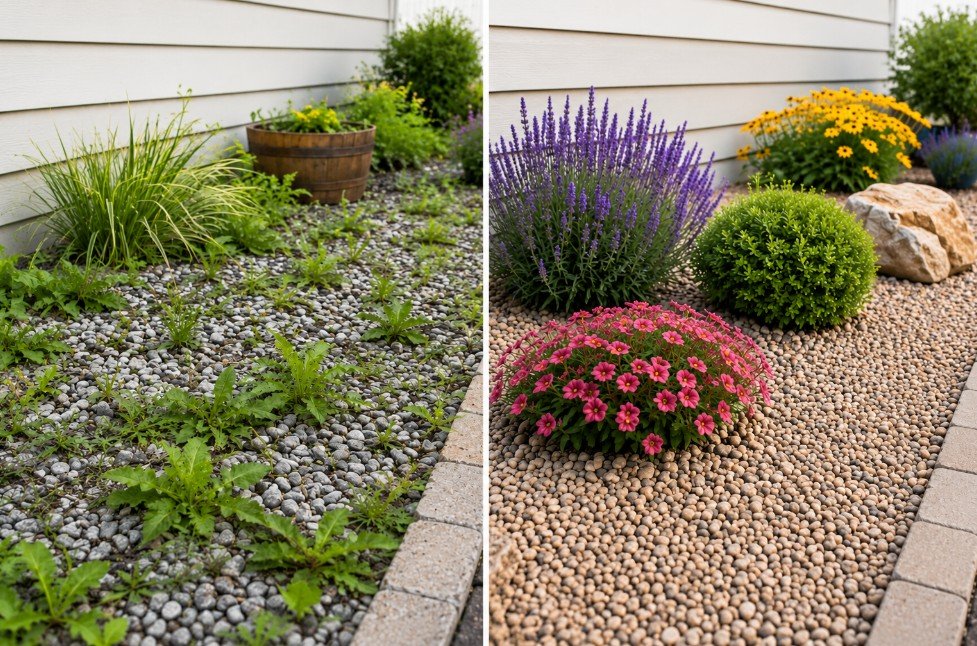
Keeping gravel areas clean and weed-free is essential for maintaining an attractive, low-maintenance outdoor space. Weeds not only spoil the neat appearance of gravel paths, driveways, or patios but can also lead to uneven surfaces and damage to the underlying materials. Fortunately, several effective strategies exist to prevent weeds from taking root in gravel areas, ensuring long-lasting beauty and functionality. This article explores practical, proven methods to keep weeds out of gravel zones, helping homeowners and gardeners preserve their outdoor living spaces with minimal effort.
Affiliate disclosure: Some links in this article are affiliate links. If you make a purchase through an affiliate link, I may earn a commission at no additional cost to you. As an Amazon Associate I earn from qualifying purchases.
Understanding Why Weeds Grow in Gravel Areas
Weeds thrive in gravel areas because these spaces often provide just enough soil, moisture, and sunlight for seeds to germinate. Gravel itself does not prevent weed growth; instead, it creates gaps where soil and organic debris accumulate over time. Wind, birds, pets, and foot traffic can introduce weed seeds that settle into these pockets and begin growing. Without proper barriers or maintenance, weeds will spread quickly, making control difficult.
Knowing the conditions that encourage weed growth helps in choosing the right prevention methods. Gravel areas that retain moisture or receive regular watering, such as near garden beds or irrigation lines, are particularly vulnerable. Additionally, gravel that is loosely spread or lacks a solid base can allow weeds to penetrate and establish roots more easily.
Installing a Quality Weed Barrier Fabric
One of the most effective ways to prevent weeds in gravel areas is to install a weed barrier fabric beneath the gravel layer. This fabric acts as a physical barrier that blocks weed roots from reaching the surface while still allowing water drainage. However, not all weed barriers are created equal, so selecting a durable, UV-resistant, and permeable fabric is crucial.
Proper installation involves thoroughly preparing the ground by removing existing weeds and leveling the soil. The fabric should be laid flat with overlaps at seams to prevent gaps. Anchoring the edges with landscape staples ensures the fabric stays in place under gravel and foot traffic. Once installed, the gravel can be spread evenly on top, creating a solid, weed-resistant surface.
Using Gravel with the Right Size and Type
The choice of gravel also influences weed growth. Smaller, fine gravel tends to compact and retain moisture, creating an ideal environment for weeds. Larger, angular gravel allows better drainage and reduces soil accumulation, reducing the chances of seeds germinating.
Selecting gravel at least ¾ inch in size, and angular or crushed stone rather than rounded river rock, can help minimize weed problems. Additionally, a thick enough layer of gravel—generally 2 to 3 inches—provides sufficient coverage over the weed barrier and discourages weed emergence.
Regular Maintenance and Weed Removal Practices
Even with preventative measures, some weeds may occasionally appear. Regular maintenance is key to managing these intruders before they become established. Early detection and removal prevent weed seeds from spreading and re-infesting the area.
Hand-pulling is an effective method for small infestations, especially when the soil is moist. For tougher weeds, using a hoe or similar tool to cut roots below the surface helps prevent regrowth. Avoid excessive disturbance of the gravel during removal to maintain the integrity of the weed barrier.
Routine sweeping or blowing of gravel areas removes debris and prevents the buildup of organic material, which can foster weed growth. Additionally, inspecting the site after heavy rains or windy days helps catch new weeds early.
Applying Natural and Chemical Weed Control Solutions
When manual removal is impractical or insufficient, natural or chemical weed control methods can complement other strategies. Vinegar-based natural herbicides or boiling water can kill young weeds without introducing harsh chemicals into the environment, making them suitable for sensitive areas.
For more persistent weeds, selective herbicides formulated for gravel or stone surfaces may be applied carefully, following product instructions. Spot treatments reduce the risk of damaging desirable plants nearby and limit chemical use. It is important to consider environmental impact and local regulations when using chemical controls.
Improving Drainage to Discourage Weed Growth
Poor drainage encourages weed growth by creating moist conditions conducive to seed germination. Ensuring that gravel areas have proper grading and drainage helps keep the surface dry and less hospitable to weeds.
Installing a slight slope away from structures or toward drainage points prevents water pooling. In some cases, adding a layer of crushed stone beneath the weed barrier improves water flow and limits soil accumulation. Good drainage also prolongs the life of the gravel and reduces maintenance needs.
Encouraging Dense Gravel Coverage and Edge Restraints
Maintaining dense gravel coverage across the entire area reduces the amount of exposed soil where weeds can emerge. Periodically topping up gravel prevents thinning spots that invite weed establishment.
Incorporating edge restraints such as metal, plastic, or timber borders keeps gravel contained and prevents spreading into lawn or garden beds, where weed seeds might transfer more easily. Well-defined edges also promote a cleaner look and easier maintenance.
Final Thoughts
Effectively keeping weeds out of gravel areas requires a combination of thoughtful preparation, proper materials, and ongoing care. Installing a high-quality weed barrier fabric, choosing the right type and size of gravel, and ensuring good drainage form a solid foundation for weed prevention. Regular maintenance, including debris removal and prompt weed extraction, helps maintain a pristine gravel surface. When necessary, natural or chemical treatments can supplement these efforts to control stubborn weeds.
By understanding how weeds establish in gravel and applying these practical strategies, outdoor living spaces can remain attractive and hassle-free. With patience and consistency, homeowners can enjoy the clean, orderly appearance that gravel areas are loved for, without the frustration of persistent weed growth. Taking these steps not only enhances curb appeal but also saves time and effort in long-term landscape upkeep.