
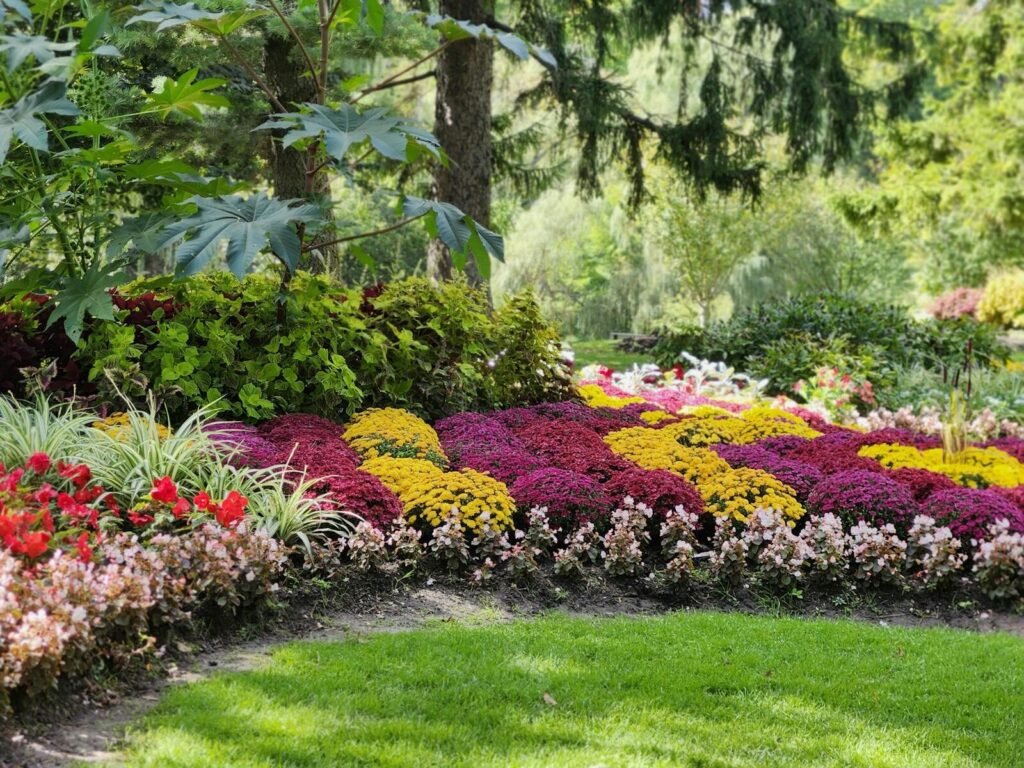
Low-maintenance gardening has become a popular choice for outdoor living enthusiasts who want beautiful, flourishing landscapes without the constant upkeep. Among the many approaches to creating an inviting garden space, perennial flowerbeds stand out as a smart solution that combines sustainability, beauty, and ease of care. These beds, composed of plants that return year after year, offer a reliable way to enjoy vibrant blooms and lush greenery with minimal effort. This is especially true when it comes to love, low-maintenance gardening, and exploring the magic of perennial flowerbeds.
You might also find this helpful: Low-Maintenance Yard Ideas That Still Look Good
Understanding the Appeal of Perennial Flowerbeds
Perennial flowerbeds are favored for their ability to thrive through multiple growing seasons without needing to be replanted annually. Unlike annuals, which complete their life cycle in a single season, perennials grow back from the same root system, often improving in appearance and size each year. This natural resilience translates to less time spent on replanting, watering, and fertilizing, making them ideal for gardeners who prefer a low-maintenance approach.
Additionally, perennial flowerbeds contribute to environmental sustainability by reducing soil disturbance and promoting biodiversity. They provide consistent habitats for pollinators such as bees and butterflies, which benefits the broader ecosystem.
Choosing the Right Perennial Plants for Low-Maintenance Gardening
The key to a successful low-maintenance perennial flowerbed lies in selecting plants that match the local climate, soil type, and light conditions. Here are some commonly recommended perennial flowers that are both beautiful and easy to care for:
- Daylilies (Hemerocallis): Highly adaptable and drought-tolerant, daylilies come in various colors and thrive in full sun to partial shade. They require minimal watering once established and rarely need pest control.
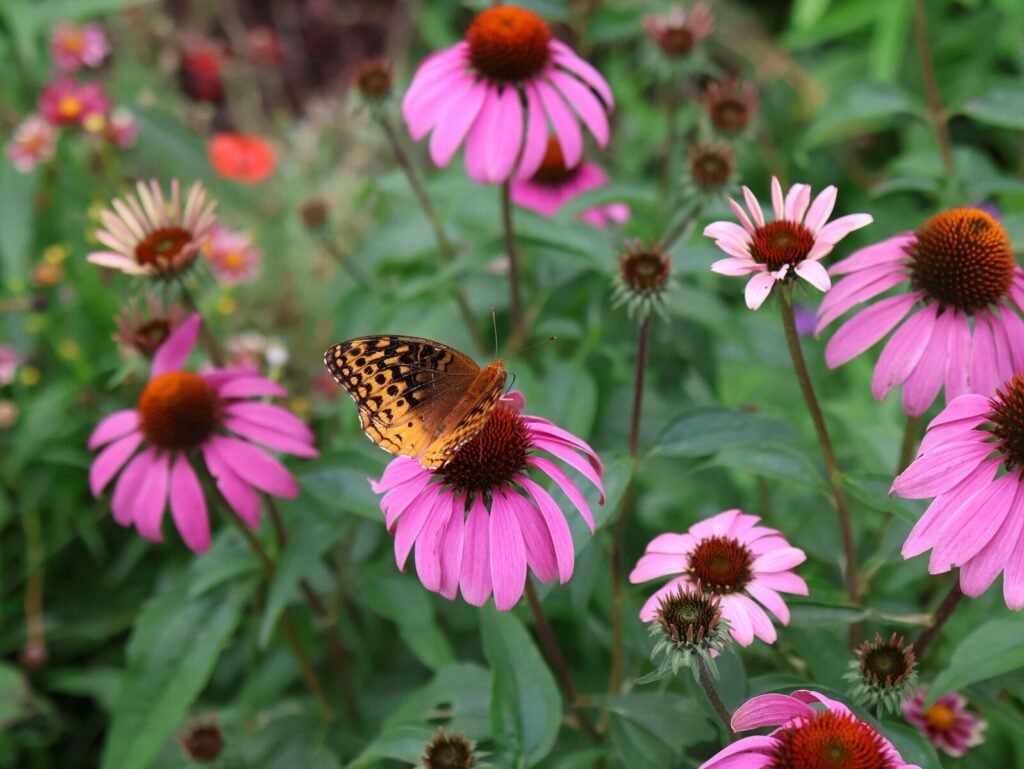
- Coneflowers (Echinacea): Known for their daisy-like appearance and long blooming season, coneflowers attract pollinators and thrive in well-drained soil with full sun exposure.
- Hostas: Ideal for shaded areas, hostas have attractive foliage and require very little maintenance, aside from occasional watering during dry spells.
- Sedum (Stonecrop): This succulent perennial is drought-resistant and thrives in poor soil, making it perfect for sunny spots where other plants might struggle.
- Black-eyed Susan (Rudbeckia): These cheerful yellow flowers bloom profusely in full sun and tolerate a variety of soil conditions, requiring minimal care.
When designing a flowerbed, mixing plants with staggered bloom times can ensure continuous color throughout the growing season, reducing the need for frequent planting changes.
Designing for Longevity and Minimal Upkeep
Creating a perennial flowerbed that remains attractive and manageable over time involves thoughtful design and preparation. Here are practical tips to maximize the benefits:
- Soil Preparation: Begin with well-amended, organic-rich soil to support healthy root growth. Proper soil helps reduce the need for frequent fertilization.
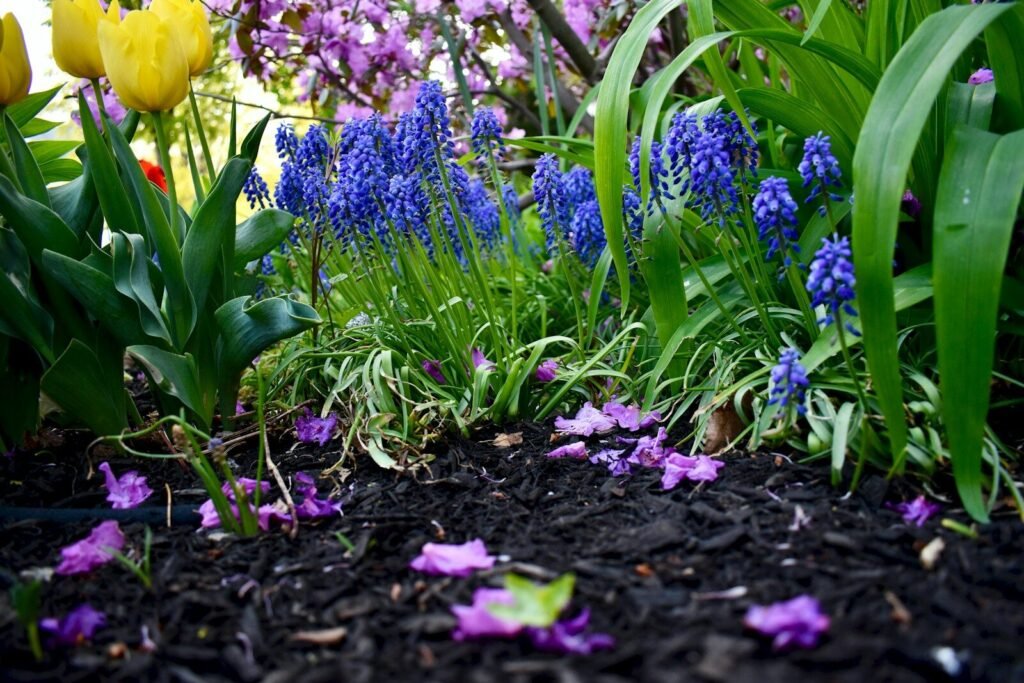
- Mulching: Apply a thick layer of mulch around plants to retain moisture, suppress weeds, and regulate soil temperature. Mulching can significantly reduce watering and weeding efforts.
- Plant Grouping: Arrange perennials with similar water and sunlight needs together. This approach simplifies watering schedules and ensures plants thrive without extra attention.
- Spacing: Allow adequate space between plants to promote airflow, reducing disease risk and making maintenance tasks easier.
- Irrigation: Installing drip irrigation or soaker hoses can automate watering, delivering moisture directly to the roots while conserving water and reducing leaf wetness, which can cause disease.
Seasonal Care Tips to Keep Perennial Flowerbeds Thriving
Even with low-maintenance gardening, your flowerbed still benefits from some seasonal care to stay healthy and vibrant. Here are actionable steps to consider:
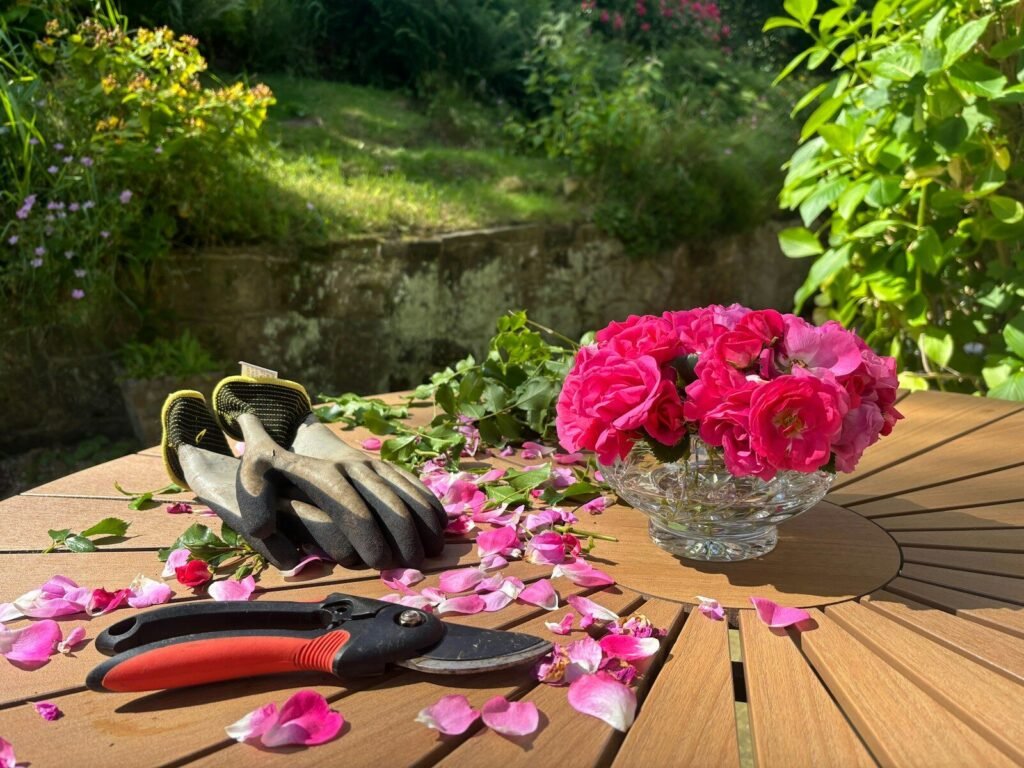
- Spring: Remove winter debris and apply a layer of compost or slow-release fertilizer. Divide overgrown perennials to maintain vigor and prevent overcrowding.
- Summer: Monitor for signs of drought stress or pests. Water deeply but infrequently to encourage deep roots.
- Fall: Cut back spent blooms and foliage to reduce disease risk and prepare plants for dormancy. Adding mulch in late fall can protect roots during colder months.
- Winter: In colder climates, ensure mulch remains in place to insulate roots. Avoid heavy foot traffic on frozen beds to prevent soil compaction.
Benefits Beyond Low Maintenance
Perennial flowerbeds offer more than just ease of care. They bring a range of additional advantages that enhance the outdoor living experience:
- Cost-Effective: Since perennials return year after year, they reduce the need to purchase new plants annually, saving money over time.
- Soil Health: Their extensive root systems improve soil structure and reduce erosion.
- Wildlife Support: By providing nectar and shelter, perennial beds encourage beneficial insects and birds.
- Aesthetic Versatility: With a wide variety of colors, heights, and textures, perennial flowerbeds can be tailored to suit formal gardens, cottage styles, or naturalistic landscapes.
For homeowners seeking a garden that balances beauty with practicality, perennial flowerbeds are a wise investment that continues to pay off season after season.
By focusing on the right plant choices, thoughtful design, and seasonal maintenance, anyone can enjoy the magic of low-maintenance gardening that brings lasting joy and curb appeal.