
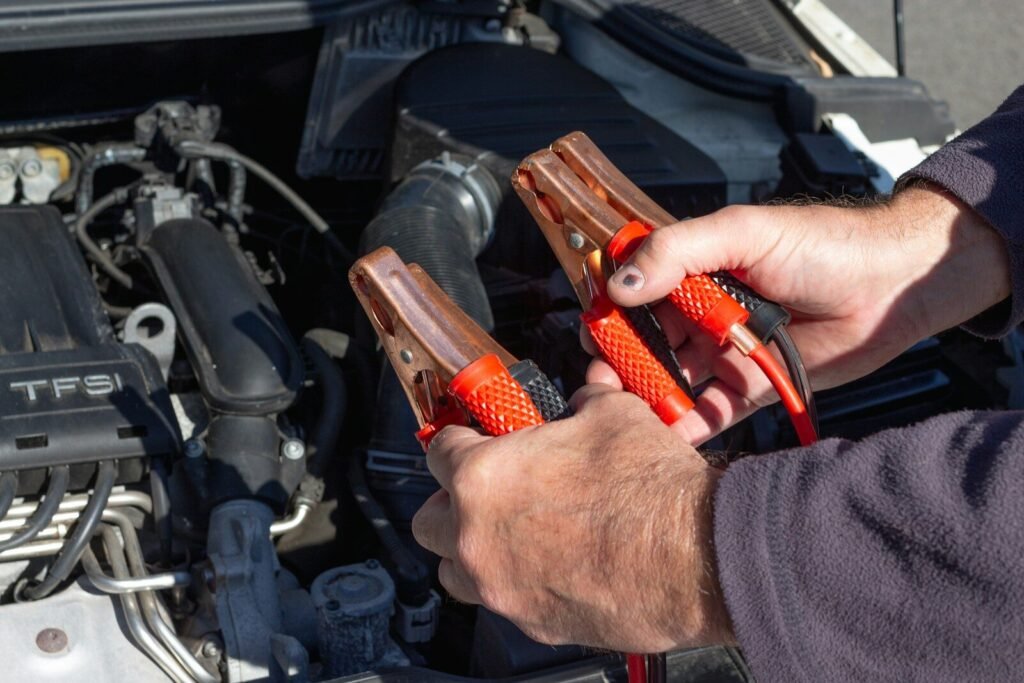
Jump-starting a car is a useful skill that every driver should know. When a vehicle’s battery dies unexpectedly, knowing how to jump-start a car safely can save time, prevent damage, and get you back on the road quickly. This step-by-step guide covers the essential precautions and procedures to jump-start a car effectively, ensuring safety and success.
You might also find this helpful: How to Choose the Right Car Battery (Without Guessing)
Preparing to Jump-Start a Car: Safety First
Before attempting to jump-start a car, preparation and safety checks are crucial. Working with car batteries involves handling electrical currents and potential hazards, so taking the right precautions can prevent injury or damage.
- Inspect the battery and cables: Look for cracks, leaks, or corrosion on the battery terminals and cables. If the battery is visibly damaged or leaking acid, do not proceed.
- Check the vehicles’ compatibility: Both vehicles should have batteries with similar voltage, typically 12 volts for most cars.
- Turn off both vehicles: Ensure both cars are completely off, including lights, radios, and accessories.
- Wear protective gear: Safety glasses and gloves can protect against sparks or acid splashes.
- Avoid sparks near the battery: Battery gases are flammable. Keep open flames, cigarettes, and metal jewelry away.
- Position the vehicles properly: Park the working vehicle close enough for jumper cables to reach both batteries, but avoid the cars touching.
Equipment Needed for a Safe Jump Start
Having the right tools ready simplifies the process and improves safety. The essential equipment includes:
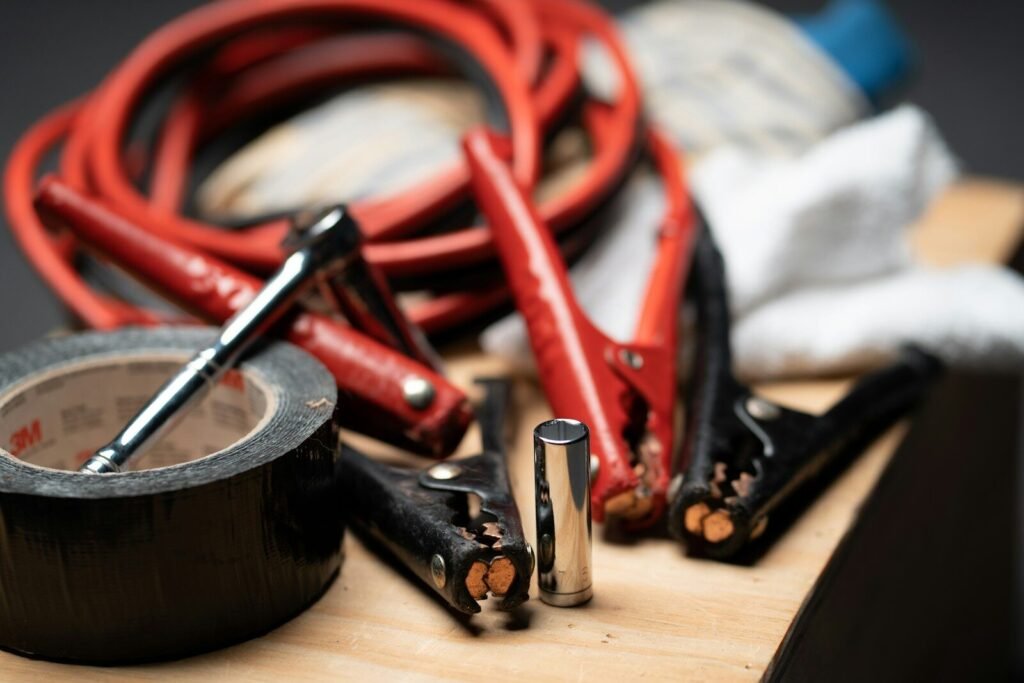
- Jumper cables: Heavy-duty cables with insulated clamps designed for automotive batteries.
- A second vehicle with a charged battery: This vehicle will provide the necessary power to start the dead battery.
- Battery terminal cleaner or wire brush: Optional but helpful for removing corrosion to ensure good electrical contact.
Avoid using makeshift cables or connectors. Proper jumper cables are designed to handle the current safely.
Step-by-Step Process to Jump Start a Car Safely
Following a structured process reduces risk and increases the chances of a successful jump-start.
Step 1: Position the Vehicles and Prepare
Park the working vehicle close to the disabled car so the jumper cables can easily reach both batteries. Turn off both engines, set the parking brakes, and open the hoods.
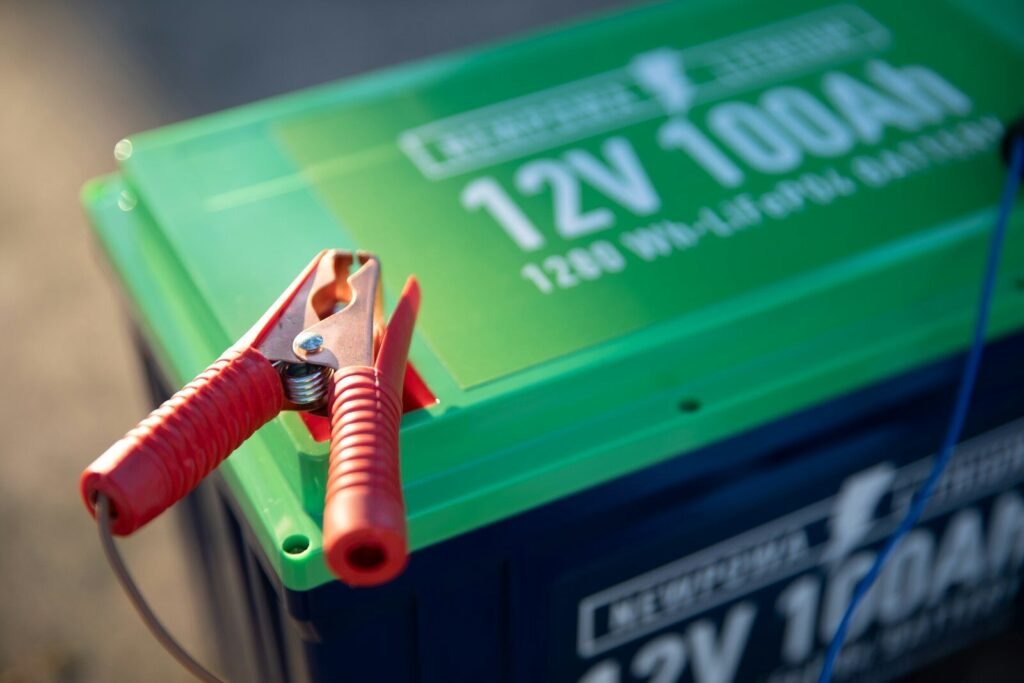
Step 2: Connect the Jumper Cables Correctly
The order of connection is critical to prevent sparks and damage:
- Attach one red clamp to the positive (+) terminal of the dead battery.
- Attach the other red clamp to the positive (+) terminal of the good battery.
- Attach one black clamp to the negative (–) terminal of the good battery.
- Attach the final black clamp to an unpainted metal surface on the dead car’s engine block or chassis, away from the battery. This grounds the connection and reduces the risk of sparks near the battery.
Step 3: Start the Working Vehicle
Start the engine of the vehicle with the good battery. Let it run for a few minutes to allow the dead battery to charge.
Step 4: Start the Disabled Vehicle
Attempt to start the car with the dead battery. If it does not start immediately, wait a few more minutes with the cables attached and try again. Avoid cranking the engine continuously for more than 10-15 seconds at a time to prevent starter damage.
Step 5: Remove the Jumper Cables Safely
Once the dead vehicle starts, carefully remove the jumper cables in the reverse order of connection:
- Remove the black clamp from the grounded metal surface on the previously dead car.
- Remove the black clamp from the negative terminal of the good battery.
- Remove the red clamp from the positive terminal of the good battery.
- Remove the red clamp from the positive terminal of the previously dead battery.
Avoid letting the clamps touch each other or any metal surfaces during removal.
Step 6: Keep the Engine Running
Let the jump-started car run for at least 15-20 minutes to recharge the battery fully. Driving the car during this time is even better to restore the battery’s charge.
Common Mistakes to Avoid When Jump Starting a Car
Being aware of common errors can help prevent accidents or damage:
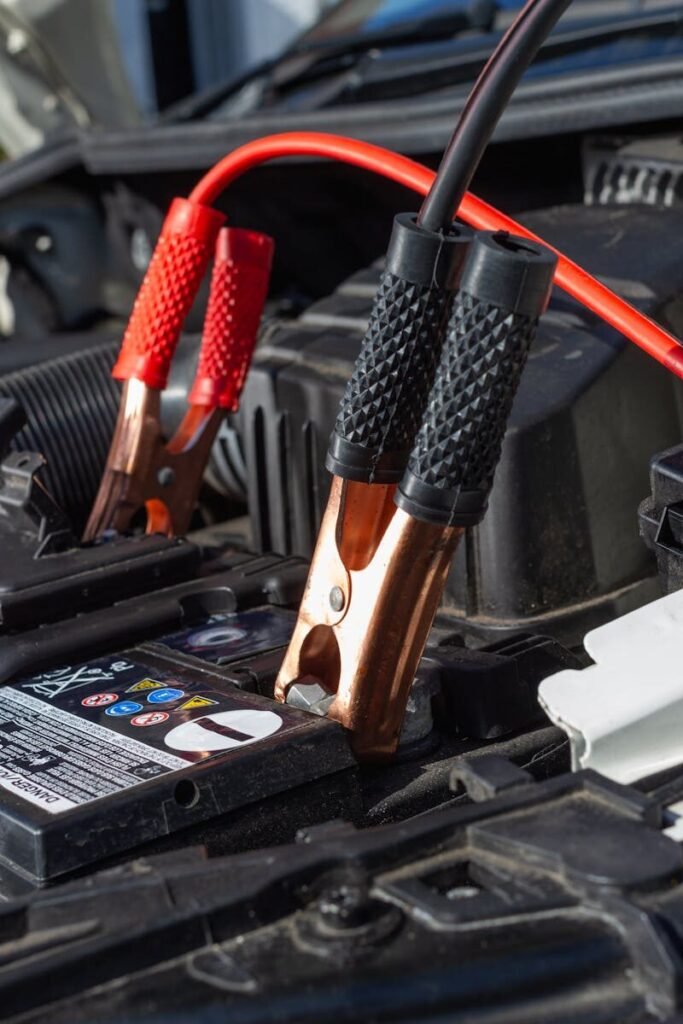
- Reversing cable polarity: Connecting positive to negative terminals can cause electrical damage or sparks.
- Connecting the final black clamp to the dead battery’s negative terminal: This can cause sparks near the battery—always ground to the engine block or chassis.
- Using damaged or low-quality jumper cables: They may not carry sufficient current or could short-circuit.
- Jump-starting a frozen or damaged battery: This can be dangerous and usually requires a battery replacement.
- Not allowing enough charging time: Jump starting sometimes requires patience to let the battery build enough charge to start.
Additional Tips for Maintaining Battery Health and Preparedness
Beyond knowing how to jump-start a car safely, maintaining battery health and being prepared are key for any driver.
- Regular battery checks: Inspect battery terminals for corrosion and clean as needed.
- Test battery voltage: Periodic testing helps identify weak batteries before they fail.
- Keep jumper cables in the vehicle: Having a reliable set stored in the trunk or glove compartment prepares for emergencies.
- Consider a portable jump starter: These compact battery packs allow you to jump-start without needing a second vehicle.
- Avoid leaving lights or accessories on: This can drain the battery unexpectedly.
Mastering how to jump-start a car safely empowers drivers to handle unexpected battery failures confidently. With the right precautions, equipment, and a step-by-step approach, jump-starting becomes a straightforward and secure process.