
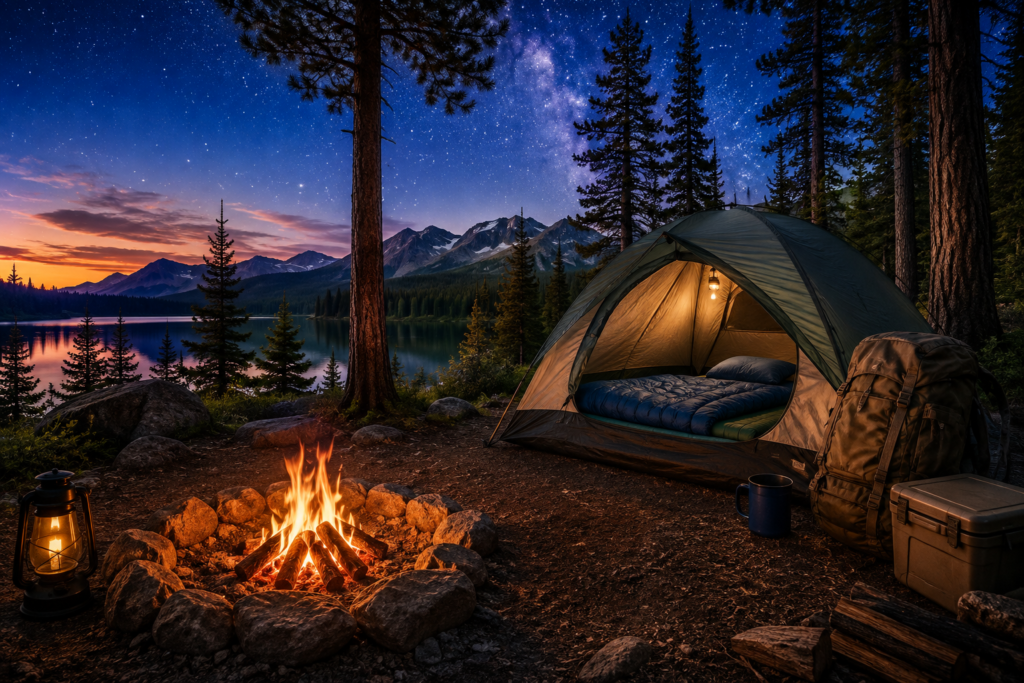
Camping offers the unique appeal of sleeping under the stars, surrounded by nature’s tranquility. However, a great night’s sleep outdoors can be elusive without proper preparation. Factors like uneven ground, temperature fluctuations, and unfamiliar noises can all conspire to disrupt rest. To truly enjoy the camping experience, it’s essential to have reliable strategies that promote comfort and relaxation at night.
This article shares practical camping tips designed to help campers settle in comfortably and wake refreshed. Whether setting out for a weekend car camping trip or a backcountry adventure, these tried-and-true approaches can improve sleep quality and make nights outdoors more enjoyable. By focusing on gear choices, campsite preparation, and bedtime routines, campers can prepare for restful nights that support active days.
Affiliate disclosure: Some links in this article are affiliate links. If you make a purchase through an affiliate link, I may earn a commission at no additional cost to you. As an Amazon Associate I earn from qualifying purchases.
Choose the Right Sleeping Gear for Comfort and Insulation
Selecting appropriate sleeping gear is foundational to a good night’s sleep in the outdoors. The right combination of sleeping pad, sleeping bag, and pillow helps buffer against the ground’s hardness and temperature extremes.
- Sleeping Pad: A well-padded sleeping pad provides cushioning and insulation from cold, damp ground. Options range from self-inflating foam pads to ultralight air mattresses. Look for pads with adequate thickness and R-value, which measures insulation. For cooler conditions, a higher R-value pad helps retain body heat.
- Sleeping Bag: Choose a sleeping bag rated for the temperature range expected at your campsite. Down bags offer excellent warmth-to-weight ratios but require dry conditions, while synthetic fills perform better in damp environments. Consider bag shape and size to maximize comfort and warmth retention.
- Camping Pillow: A small, compressible camping pillow or a stuff sack filled with clothing can provide neck support and reduce discomfort that interferes with sleep.
Investing time in selecting and testing your sleep system before hitting the trail can pay off with more restful nights.
Imagine Waking up to This View → Yosemite National Park
Prepare the Campsite to Minimize Discomfort and Noise
How a campsite is set up greatly influences sleep quality. Taking steps to create a comfortable and quiet sleeping environment helps minimize disruptions.
- Pick Level Ground: Seek level or gently sloping terrain free of rocks, roots, and debris. Uneven surfaces can cause pressure points and restless tossing.
- Clear the Area: Remove sticks, stones, and sharp objects before setting up the tent or sleeping pad. A smooth surface reduces discomfort and wear on gear.
- Position Your Tent Thoughtfully: Place the tent away from trails, water sources, and common activity areas to reduce noise. Orient the tent door away from the wind and toward the morning sun for warmth and ventilation.
- Use Natural Windbreaks: Pitch near bushes, trees, or terrain features that block wind, which can lower temperature and create distracting sounds.
- Sound Barriers: White noise from a campfire, flowing water, or a battery-powered fan can mask sudden noises like wildlife or fellow campers.
These site-preparation tactics contribute to a more peaceful night’s rest.
Regulate Temperature to Stay Comfortable Through the Night
Temperature regulation is critical for uninterrupted sleep outdoors. Nights can cool rapidly, and dampness increases chill. Proper layering and ventilation prevent overheating or freezing.
- Dress in Layers: Wear moisture-wicking base layers and add insulating mid-layers. Avoid cotton, which retains moisture and chills the body. A warm hat and socks help retain heat.
- Ventilate the Tent: Open vents or partially unzip doors to reduce condensation and allow airflow. Too much airflow can cause cold drafts, so balance is key.
- Use a Sleeping Bag Liner: Liners add warmth and keep sleeping bags clean. Choose fleecy or silk options for added insulation.
- Add Extra Blankets: Lightweight or emergency blankets can provide additional warmth if temperatures drop unexpectedly.
- Warm the Sleeping Pad: Place a closed-cell foam pad under an inflatable pad to provide extra insulation against the cold ground.
Taking proactive temperature control measures helps maintain a comfortable microclimate while sleeping.

Want a destination with year-round comfortable temps? See Mugu State Park →
Establish a Relaxing Pre-Sleep Routine to Wind Down
A calming bedtime routine signals the body it’s time to rest, even in an unfamiliar environment. Simple habits can ease the transition from busy outdoor activities to restful sleep.
- Limit Electronics: Avoid screens that emit blue light before bed, as they interfere with natural sleep rhythms.
- Dim the Lights: Use low-level lanterns or headlamps to reduce brightness and promote melatonin production.
- Practice Relaxation Techniques: Deep breathing, light stretching, or listening to gentle sounds of nature can reduce tension.
- Have a Light Snack: A small, easy-to-digest snack may prevent hunger from waking you during the night.
- Keep Hydrated, But Not Excessively: Drink enough fluids to stay comfortable but reduce intake near bedtime to minimize nighttime bathroom trips.
Incorporating these calming practices supports a smoother transition to sleep.

Manage Noise and Light to Create a Sleep-Friendly Environment
Outdoor settings introduce unfamiliar noises and light that can disrupt sleep. Taking steps to manage these factors helps create a more restful atmosphere.
- Use Earplugs: Soft foam earplugs can block distracting sounds like rustling leaves, nearby conversations, or wildlife.
- Choose a Tent with Noise-Reducing Fabric: Some tents use heavier materials that muffle outside sounds.
- Block Out Light: Use an eye mask or choose a tent with opaque fabric to shield from moonlight or early dawn.
- Camp Away from High-Traffic Areas: Selecting quieter parts of a campground or backcountry spot reduces noise exposure.
- Secure Gear and Food: Properly storing food and trash prevents wildlife visits, minimizing nighttime disturbance.
These noise and light management techniques contribute to deeper, more restorative sleep.
Final Thoughts
Achieving a great night’s sleep while camping requires thoughtful preparation of gear, campsite, and routines. Selecting the right sleeping system provides comfort and insulation, while careful site selection and setup minimize discomfort and noise. Temperature regulation and calming pre-sleep habits further enhance restfulness. Managing environmental noise and light helps maintain uninterrupted sleep cycles.
By applying these practical camping tips, outdoor enthusiasts can improve sleep quality under the stars, leading to more enjoyable and energized days. Preparing for restful nights is an essential part of camping well and making the most of time spent in nature. With the right approach, restful nights in the wilderness become a reliable and rewarding part of every camping adventure.