
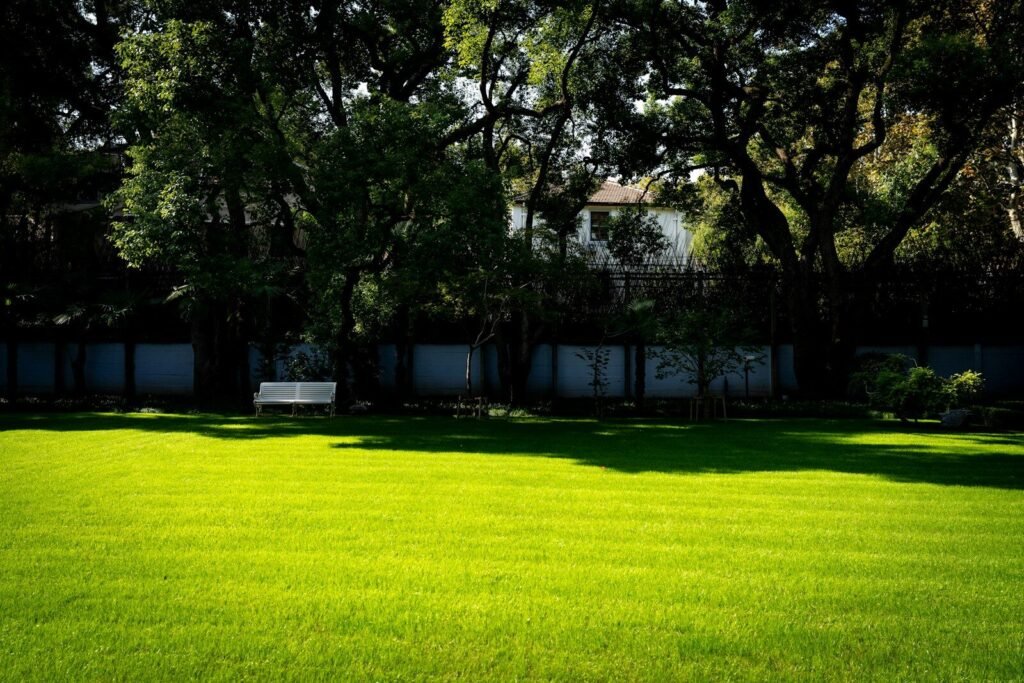
Grass that refuses to grow can be frustrating for any homeowner aiming to enjoy a lush, green yard. When grass won’t grow, the reasons can be varied, from soil quality to environmental conditions. Understanding these factors and applying targeted solutions can help transform a barren patch into a thriving lawn. This article explores practical steps and expert-recommended methods to address common issues that prevent grass from growing, providing actionable advice to restore vitality to outdoor spaces. This is especially true when it comes to what to do when grass wont grow in your yard.
You might also find this helpful: Gravel vs Grass: What Actually Makes Sense for Your Yard
Affiliate disclosure: Some links in this article are affiliate links. If you make a purchase through an affiliate link, I may earn a commission at no additional cost to you. As an Amazon Associate I earn from qualifying purchases.
Assessing Soil Quality and Condition
Healthy grass starts with healthy soil. Poor soil quality is one of the most common reasons grass struggles to grow. Before planting or reseeding, it’s essential to evaluate the soil’s texture, pH, and nutrient content.
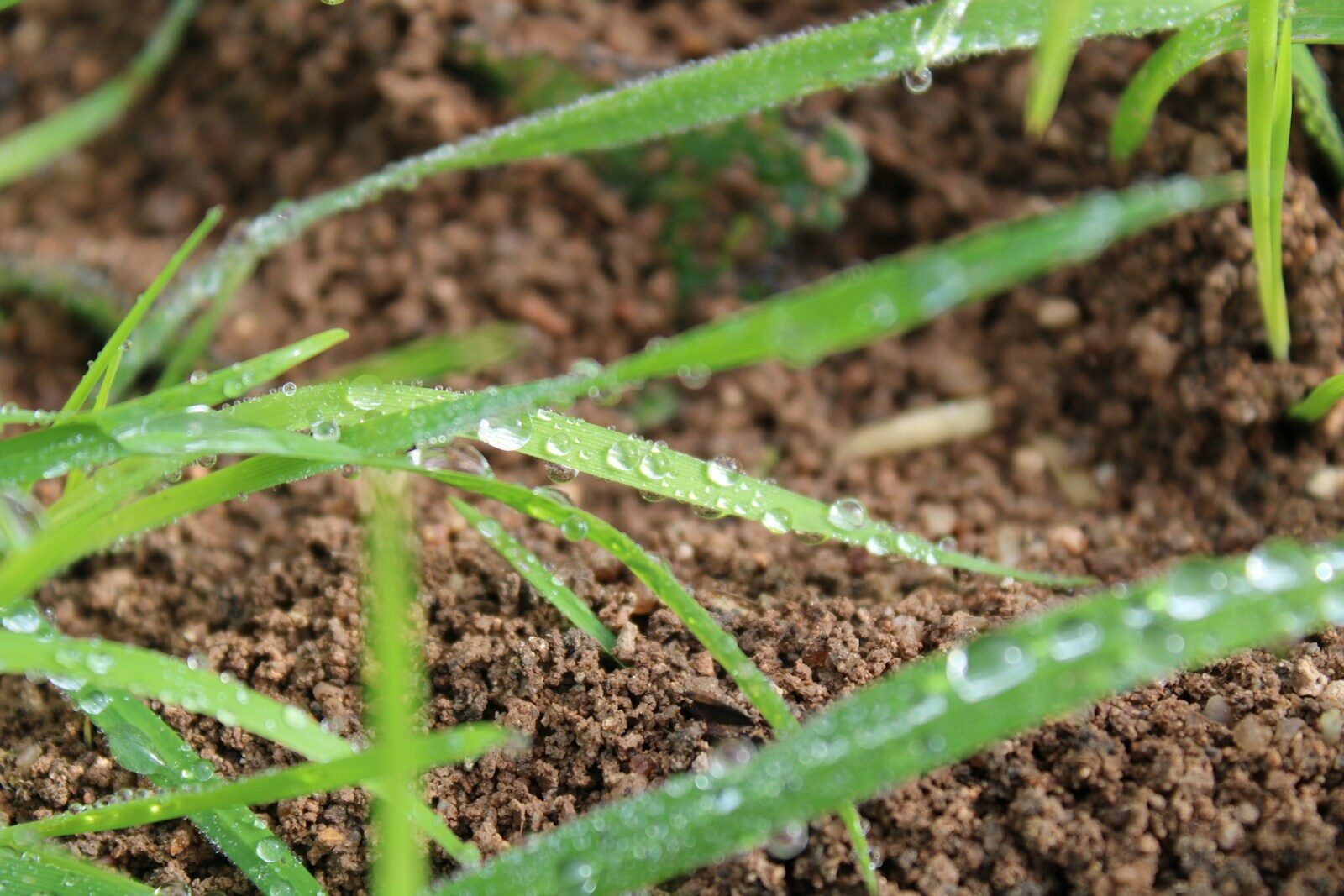
- Conduct a Soil Test: A soil test kit or professional analysis can reveal pH imbalance, nutrient deficiencies, and contamination. Grass typically thrives in soil with a pH between 6.0 and 7.0.
- Amend the Soil: Based on test results, adding lime can raise pH in acidic soil, while sulfur can lower it in alkaline conditions. Incorporating organic matter such as compost improves soil structure, drainage, and fertility.
- Check for Compaction: Compacted soil restricts root growth and water infiltration. Aerating the lawn with a core aerator helps relieve compaction, promoting better air and nutrient movement.
Choosing the Right Grass Type for Your Yard
Grass varieties differ widely in their climate preferences, sunlight tolerance, and maintenance needs. Selecting a grass type suited to the local environment is crucial.
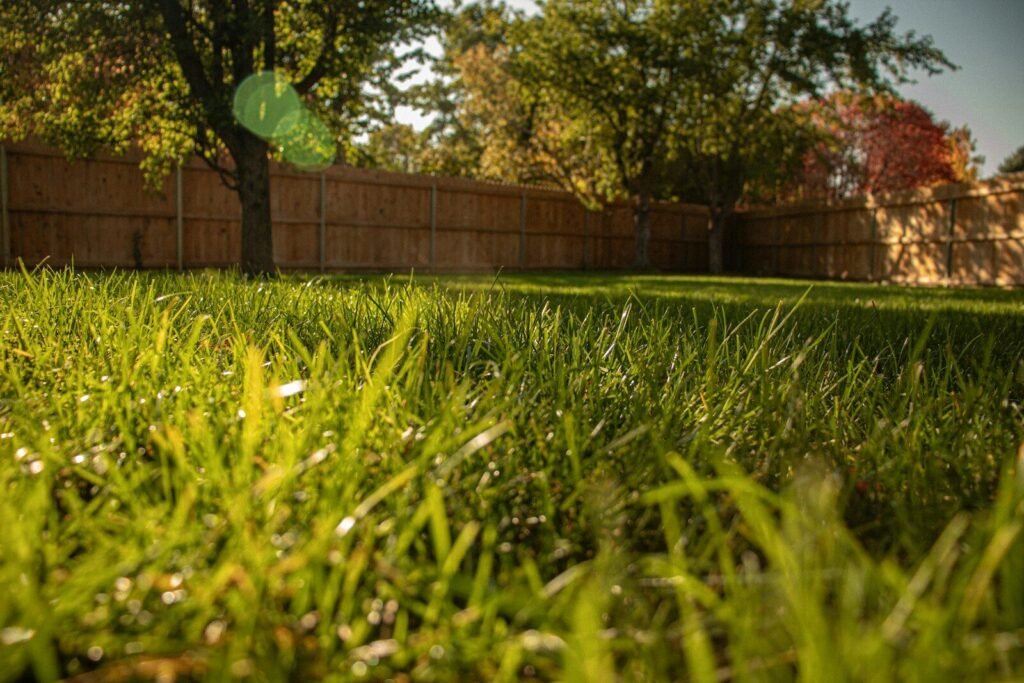
- Cool-Season Grasses: Varieties like Kentucky bluegrass, fescue, and ryegrass perform well in northern climates with cooler temperatures.
- Warm-Season Grasses: Bermuda, zoysia, and St. Augustine grass thrive in southern regions with hot summers.
- Shade-Tolerant Grasses: If the yard has significant shade, consider fine fescues or St. Augustine, which tolerate low light better than most types.
Planting the correct grass type reduces stress on seedlings and increases the chances of healthy, vigorous growth.
Improving Watering Practices
Improper watering is a frequent culprit when grass won’t grow. Both under- and over-watering can stunt growth or encourage disease.
- Water Deeply but Infrequently: Grass roots develop deeper and stronger with less frequent, deeper watering sessions—typically about 1 inch per week.
- Water Early in the Day: Morning watering reduces evaporation and fungal risks by allowing grass blades to dry during daylight.
- Avoid Overwatering: Excess moisture can lead to root rot and attract pests. Ensure proper drainage to prevent water pooling in low spots.
Managing Sunlight and Shade Challenges
Grass needs adequate sunlight to photosynthesize and grow. Some lawns may have large shaded areas or inconsistent sunlight exposure.

- Trim Overhanging Branches: Pruning trees and shrubs can increase sunlight penetration and air circulation.
- Use Shade-Tolerant Grass or Ground Covers: If shade is unavoidable, switch to grass types or alternatives like moss, creeping thyme, or shade-tolerant sedges that flourish in low light.
- Create Sun Patches: For areas receiving only partial sun, focus seed or sod planting efforts where sunlight is most consistent.
Controlling Weeds and Pests
Weeds compete with grass for nutrients, water, and sunlight, while pests can damage roots and blades.
- Apply Pre- and Post-Emergent Herbicides: Pre-emergent herbicides prevent weed seeds from germinating, while post-emergent products target established weeds.
- Use Natural or Chemical Pest Controls: Depending on the pest, options include beneficial nematodes, insecticidal soaps, or targeted pesticides.
- Maintain Lawn Health: A thick, healthy lawn naturally suppresses weeds and is more resilient to pest damage.
Overseeding and Lawn Repair Techniques
When grass refuses to fill in bare spots, overseeding can help rejuvenate the turf.
- Prepare the Soil: Loosen the topsoil and remove debris before spreading seed.
- Choose High-Quality Seed: Use seed blends that match your climate and lawn conditions.
- Keep the Seed Moist: Water lightly but frequently until seedlings establish.
For larger damaged areas, consider sod installation for faster coverage.
Addressing Drainage and Slope Issues
Poor drainage or steep slopes can prevent grass from establishing properly.
- Install Drainage Solutions: French drains, swales, or rain gardens help redirect excess water.
- Level Uneven Areas: Grading the yard can improve water flow and reduce erosion.
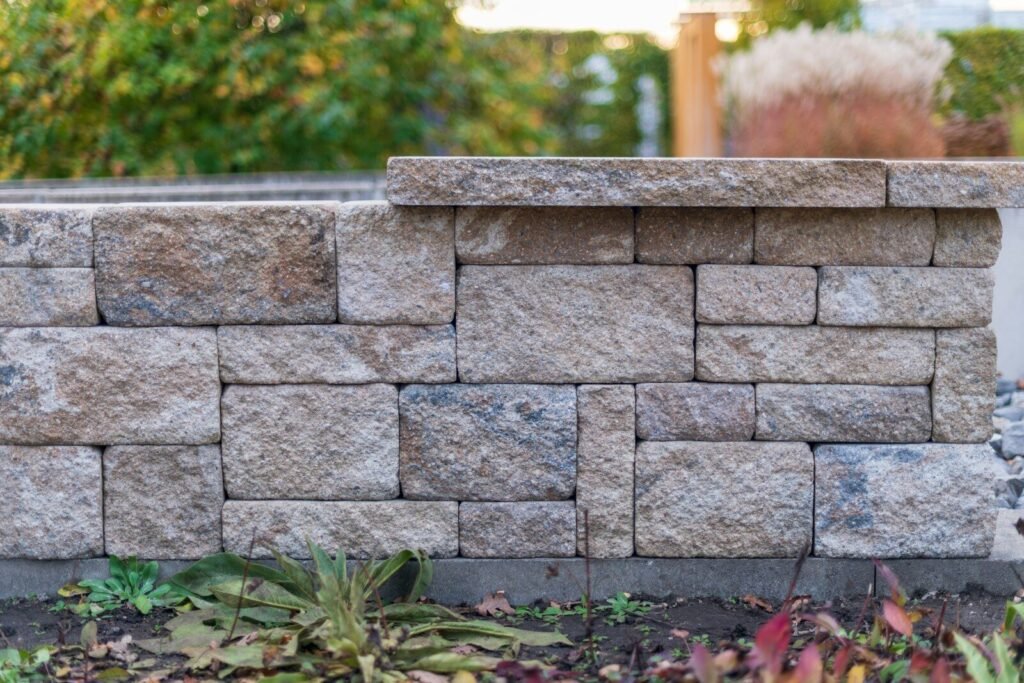
- Use Terracing or Retaining Walls: For steep slopes, these structures create level planting zones and reduce runoff.
Regular Lawn Maintenance Practices
Consistency is key to keeping grass healthy and encouraging growth.
- Mow at the Proper Height: Cutting grass too short stresses plants; most lawns do best with blades kept at 2.5 to 3 inches.
- Fertilize Appropriately: Use slow-release fertilizers suited to your grass type and soil needs, typically applied in spring and fall.
- Remove Thatch Build-Up: Excess thatch can block water and nutrients; dethatching every few years helps keep the lawn breathable.
By systematically addressing these factors, homeowners can effectively troubleshoot why grass won’t grow in their yard and implement solutions that promote a thriving lawn. Patience and careful care will yield noticeable improvements and a green, inviting outdoor space.