
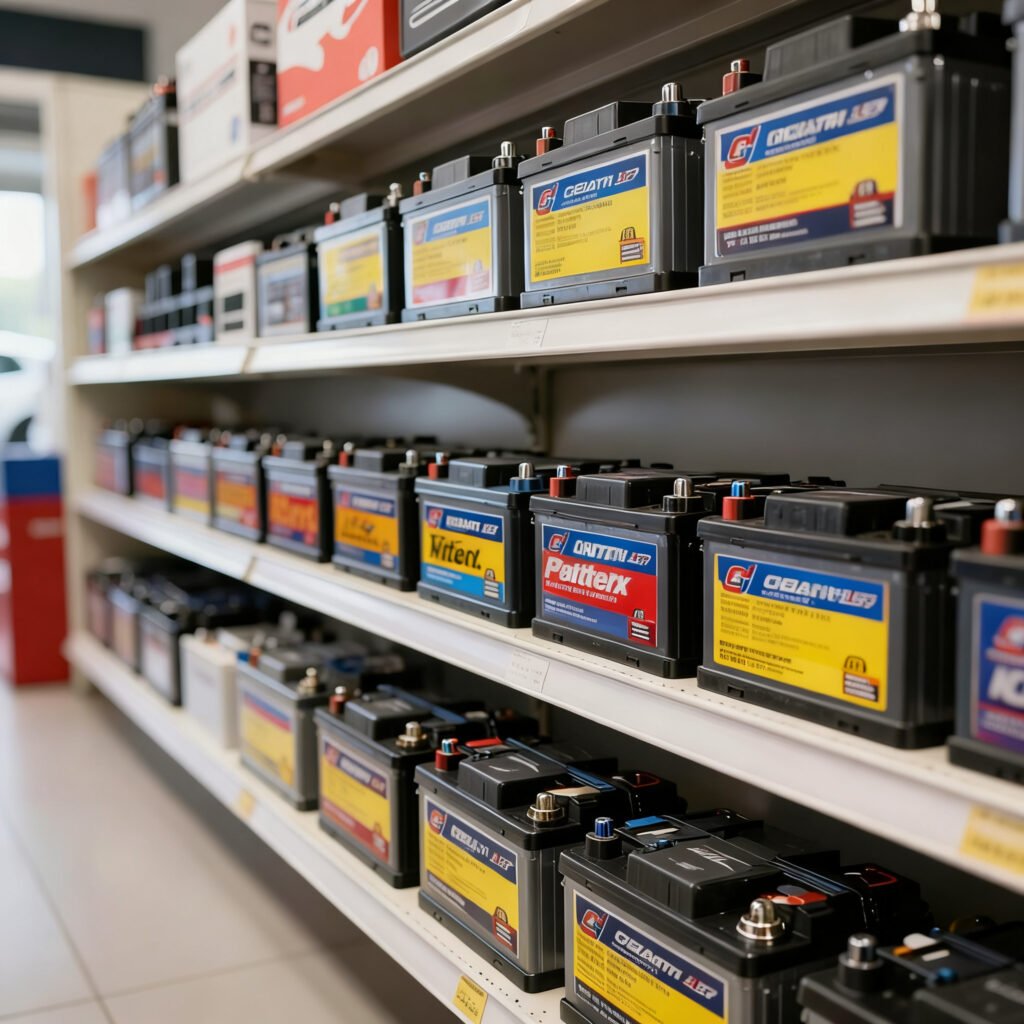
Being able to choose the right car battery can feel overwhelming, especially with so many options and technical terms involved. However, selecting a battery that perfectly matches your vehicle’s needs doesn’t have to be a guessing game. By understanding key factors such as battery size, capacity, and type, drivers can make informed decisions that improve vehicle performance and reliability. This guide breaks down what to consider when selecting a car battery, ensuring a practical and confident purchase. This is especially true when it comes to how to choose the right car battery without guessing.
Understanding the Basics of Car Batteries
A car battery’s primary role is to provide the electrical power necessary to start the engine and run accessories when the engine isn’t running. Most car batteries are lead-acid types, but within this category, there are variations that impact performance and lifespan.
Key components of a car battery to understand include:
- Cold Cranking Amps (CCA): This rating indicates the battery’s ability to start an engine in cold temperatures. A higher CCA means the battery can deliver more power in harsh conditions.
- Reserve Capacity (RC): This measures how long a battery can run on its own power without the engine running, giving an idea of endurance in case the alternator fails.
- Battery Group Size: This refers to the physical dimensions and terminal placement, ensuring the battery fits securely in the vehicle.
Grasping these basics helps avoid common pitfalls like choosing a battery that doesn’t fit or one that won’t perform well in your climate.
Matching Battery Size and Specifications to Your Vehicle
One of the most crucial steps when choosing a car battery is ensuring it matches your vehicle’s specifications. The owner’s manual is the best resource for identifying the recommended battery group size and minimum CCA rating.
- Battery Group Size: Batteries come in standardized group sizes (e.g., Group 24, Group 35) defined by the Battery Council International. This size affects not only the fit but also the terminal locations. Using a battery with incorrect dimensions can lead to installation difficulties or poor electrical connections.
- Cold Cranking Amps (CCA): Vehicles in colder climates require batteries with higher CCA ratings to guarantee reliable starts in freezing temperatures. Conversely, if you live in a mild climate, a slightly lower CCA may suffice, but it’s generally safer to meet or exceed the manufacturer’s recommendation.
- Reserve Capacity (RC): For drivers who often use vehicle accessories without running the engine, a battery with a higher reserve capacity provides longer power availability.
Ignoring these specifications risks premature battery failure or poor vehicle performance.
Choosing the Right Battery Type for Performance and Longevity
Car batteries come in several types, each with distinct advantages depending on driving habits and vehicle requirements.
- Flooded Lead-Acid Batteries: These are the traditional, most widely used batteries. They are cost-effective and reliable but require regular maintenance to check electrolyte levels.
- Absorbent Glass Mat (AGM) Batteries: AGM batteries are sealed and maintenance-free, offering better resistance to vibration and deeper cycling. They are popular for vehicles with stop-start technology or high electrical demands.
- Gel Cell Batteries: Less common in cars, gel batteries use silica to thicken the electrolyte, providing excellent deep discharge capabilities and resistance to extreme temperatures.
For everyday drivers, choosing between flooded and AGM batteries often comes down to budget and vehicle needs. AGM batteries, while pricier, deliver enhanced durability and performance, especially for modern vehicles with advanced electronics.

Practical Tips for Buying and Installing a Car Battery
Beyond matching specifications and types, practical considerations during purchase and installation can extend battery life and ensure safety.
- Check the Warranty: A solid warranty reflects manufacturer confidence. Look for warranties that cover at least three years to protect your investment.
- Inspect the Manufacturing Date: Car batteries lose charge over time even on the shelf. Choose a battery manufactured within the last six months for optimal freshness.
- Test the Battery Before Installation: Many retailers offer free battery testing. Confirming the battery’s health before installation prevents immediate issues.
- Proper Installation: Secure the battery in place, ensuring terminals are clean and connections tight. Loose connections can cause starting problems and electrical faults.
- Recycle Old Batteries: Car batteries contain hazardous materials. Take old batteries to a recycling center or retailer for proper disposal.
Following these steps helps maximize battery longevity and vehicle reliability.
Recognizing Signs That It’s Time to Replace a Car Battery
Even the best batteries don’t last forever. Recognizing when to replace a battery can prevent inconvenient breakdowns.
Common signs include:
- Slow Engine Crank: The engine turns over sluggishly when starting.
- Dim Headlights: Lights appear dimmer than usual, especially at idle.
- Electrical Issues: Problems with power windows, radio, or dashboard lights.
- Battery Warning Light: The dashboard battery icon illuminates.
- Corroded or Swollen Battery Case: Visible damage or leaks indicate battery wear.
Regular battery testing during routine vehicle maintenance can catch problems early.
Choosing a battery that aligns with vehicle specifications and driving conditions, combined with proper installation and maintenance, results in dependable starts and better overall vehicle performance. Taking a methodical approach eliminates uncertainty and ensures the battery meets both immediate and long-term needs.