
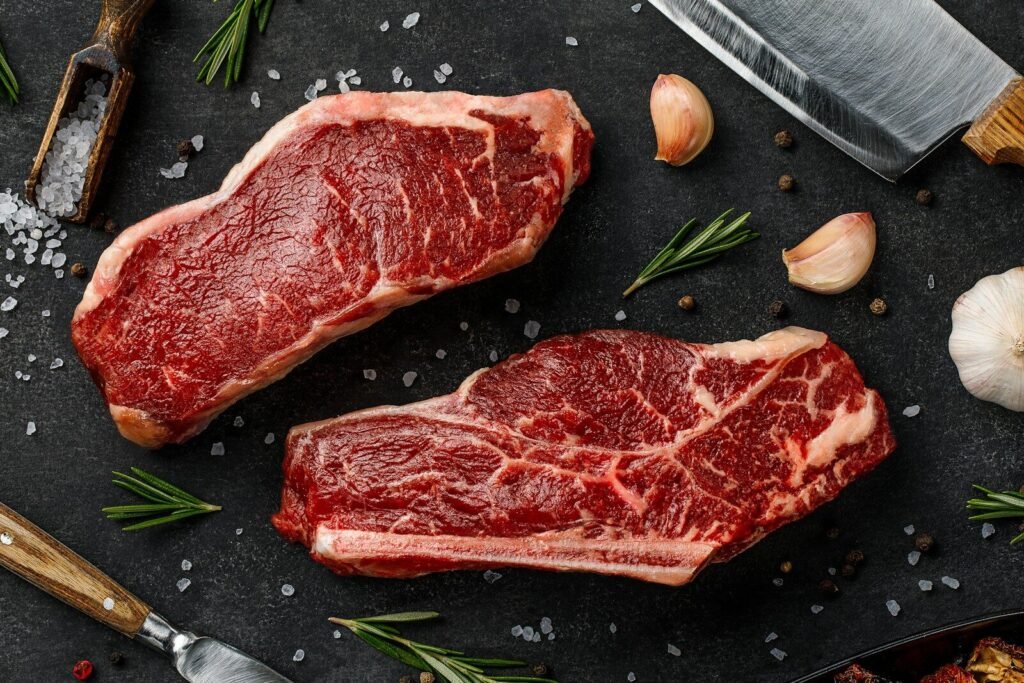
Grilling steak is an art that combines technique, timing, and quality ingredients. Mastering how to grill steak perfectly every time ensures a juicy, flavorful result that rivals any steakhouse. Whether cooking for a casual backyard barbecue or an elegant dinner, understanding the fundamentals of grilling steak can elevate the experience and impress any guest.
The journey to a perfect grilled steak begins with selecting the right cut. Popular cuts for grilling include ribeye, strip steak, filet mignon, and sirloin. Each has distinct characteristics:
- Ribeye: Known for its marbling and rich flavor, ribeye stays tender and juicy when grilled.
- Strip Steak (New York Strip): Offers a good balance of tenderness and flavor with a firmer texture.
- Filet Mignon: The most tender cut, leaner but delicate, ideal for those who prefer less fat.
- Sirloin: More affordable and flavorful, though slightly less tender, great for everyday grilling.
Choosing a cut with good marbling (intramuscular fat) is key because the fat melts during grilling, enhancing flavor and moisture.
Affiliate disclosure: Some links in this article are affiliate links. If you make a purchase through an affiliate link, I may earn a commission at no additional cost to you. As an Amazon Associate I earn from qualifying purchases.
Preparing the Steak for the Grill
Proper preparation impacts the final result significantly. Start by bringing the steak to room temperature, which typically takes about 30 to 45 minutes. This step promotes even cooking.
Seasoning is straightforward but crucial. A simple rub of kosher salt and freshly ground black pepper is widely recommended to enhance the steak’s natural flavors. For added depth, some chefs apply a light coating of olive oil before seasoning. Avoid heavy marinades for premium cuts, as they can mask the meat’s quality.
Patting the steak dry with paper towels before seasoning helps achieve a better crust by minimizing surface moisture.
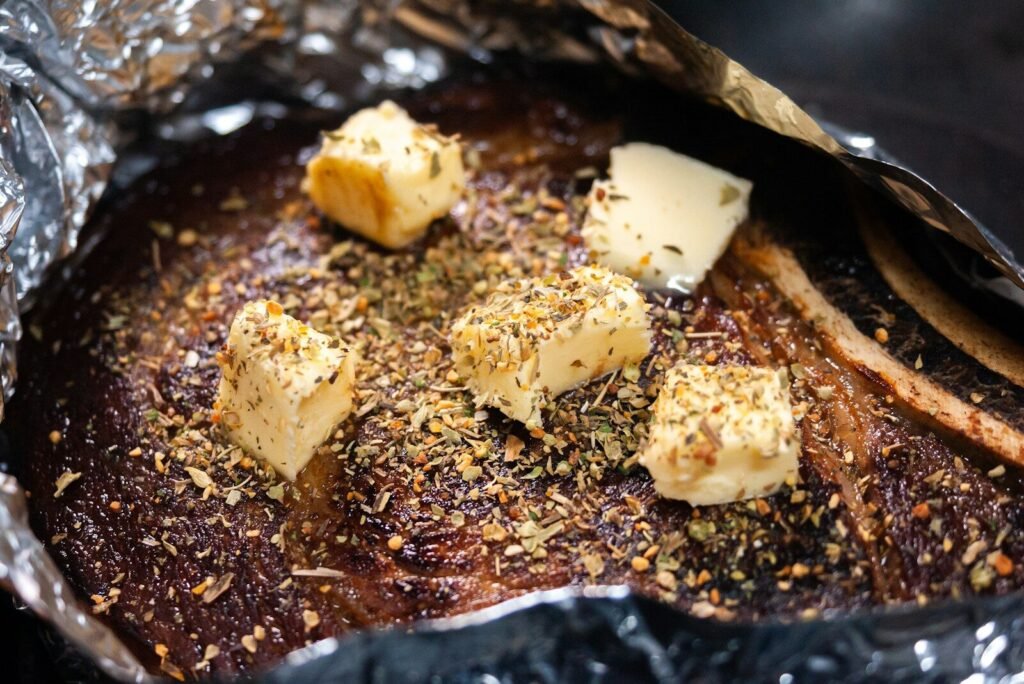
Check out Char Crust Dry-Rub Seasoning Set
Setting Up the Grill for Success
Whether using a charcoal or gas grill, achieving the right temperature is essential. Preheat the grill to high heat, aiming for around 450°F to 500°F. This high temperature sears the steak, creating a flavorful crust through the Maillard reaction.
For charcoal grills, arrange coals evenly for direct heat, and consider a two-zone setup with a cooler side to move the steak if flare-ups occur. On gas grills, preheat all burners on high, then adjust as needed.
Cleaning the grill grates and oiling them lightly helps prevent sticking and ensures attractive grill marks.
Mastering the Grilling Technique
Once the grill is ready, place the steak directly over the hottest part. Avoid moving it too soon; letting the steak sear undisturbed for 3 to 5 minutes forms the coveted crust.
To create professional-looking crosshatch grill marks, rotate the steak 45 degrees halfway through the searing time on each side.
Flip the steak using tongs, never a fork, to avoid piercing the meat and losing juices. Cook the other side for a similar amount of time.
For thicker cuts, after searing both sides, move the steak to the cooler part of the grill to finish cooking through without burning the outside.
Checking Doneness with Confidence
Using an instant-read meat thermometer is the most reliable way to check steak doneness. Insert the thermometer into the thickest part of the steak and refer to the following internal temperatures:
- Rare: 120°F to 125°F
- Medium Rare: 130°F to 135°F
- Medium: 140°F to 145°F
- Medium Well: 150°F to 155°F
- Well Done: 160°F and above
Avoid cutting into the steak to check doneness, as it releases juices and can dry out the meat.
ThermoMaven Wireless Bluetooth Smart Meat Thermometer
Resting the Steak for Optimal Juiciness
Resting the steak after grilling is often overlooked but vital. Let the steak rest on a plate, loosely tented with foil, for 5 to 10 minutes. This allows the juices to redistribute evenly throughout the meat, resulting in a moist and tender bite.
Cutting immediately after grilling causes the juices to spill out, which leads to a drier steak.
Enhancing Flavor with Finishing Touches
After resting, consider finishing the steak with a pat of herb butter or a sprinkle of flaky sea salt. Compound butters with garlic, parsley, or chives add richness and subtle flavor boosts without overpowering the steak’s natural taste.
Serving with complementary sides like grilled vegetables, roasted potatoes, or a fresh salad rounds out the meal beautifully.
Troubleshooting Common Grilling Issues
- Steak sticks to the grill: Ensure grates are clean and well-oiled. Avoid flipping too early.
- Charred outside, raw inside: High heat is essential for searing, but thicker cuts benefit from finishing on cooler parts of the grill.
- Dry steak: Don’t overcook and always rest the steak before slicing.
- Lack of flavor: Use kosher salt liberally and consider a simple dry rub with garlic powder or smoked paprika for extra depth.
By focusing on these practical tips—from cut selection and seasoning to grilling technique and resting—anyone can consistently achieve perfectly grilled steak that’s tender, juicy, and full of flavor. With practice and attention to detail, grilling steak turns from a task into a rewarding culinary craft.
You Might Also Enjoy
If you found this helpful, you might also like: