
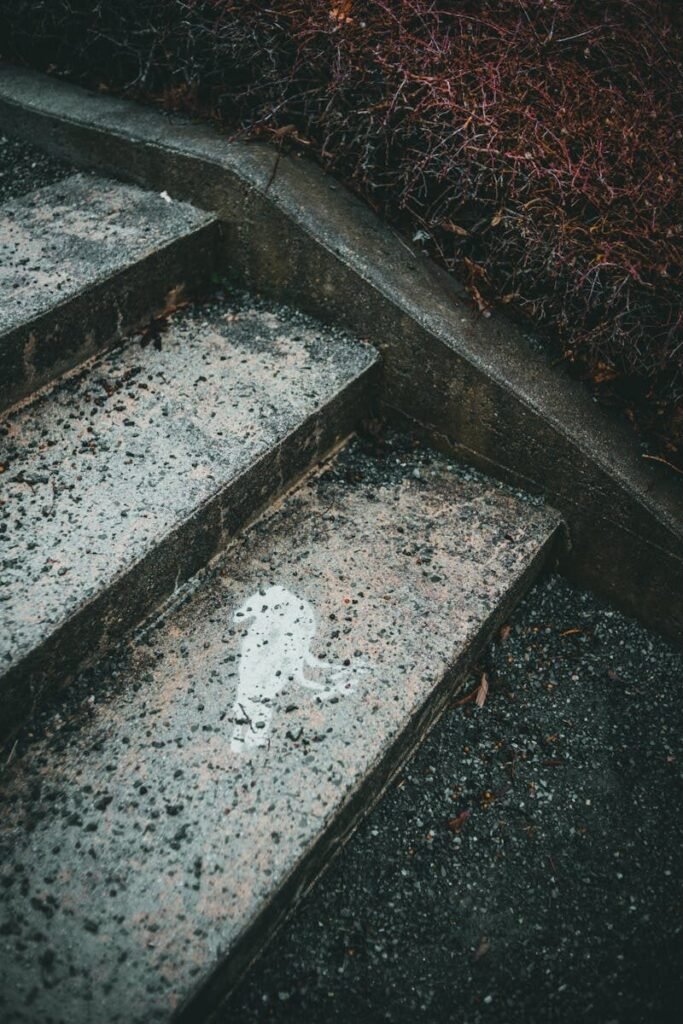
Concrete surfaces like driveways, patios, and walkways often develop stains that can detract from their appearance and, if left untreated, cause long-term damage. Cleaning stained concrete is a practical task that homeowners and DIY enthusiasts can tackle with the right techniques and materials. Understanding the type of stain and the appropriate cleaning method is essential for restoring concrete to its original condition while preserving its durability. This is especially true when it comes to how to clean stained concrete driveways, patios & more.
Identifying Common Concrete Stains
Before beginning any cleaning process, it’s important to identify the type of stain affecting the concrete. Different stains require different approaches:
- Oil and Grease: Often caused by vehicles or outdoor cooking, these stains are dark and can penetrate deep into concrete pores.
- Rust: Usually appears as reddish-brown spots, caused by metal furniture, tools, or water with high iron content.
- Mold and Mildew: Greenish, black, or white patches that thrive in damp or shaded areas.
- Paint: Drips or splatters from painting projects can leave tough-to-remove spots.
- Food and Beverage Spills: Such as coffee, wine, or fruit juices, often leaving colored or sticky residues.
Knowing the stain type helps select the most effective cleaner and method.
Preparing the Concrete Surface for Cleaning
Preparation ensures that cleaning efforts are effective and safe:
- Clear the Area: Remove furniture, vehicles, plants, and other objects from the concrete surface.
- Sweep Thoroughly: Use a stiff broom to remove loose dirt, leaves, and debris.
- Test Cleaning Solution: Before applying any cleaner broadly, test it on a small, inconspicuous section to avoid damage or discoloration.
- Protect Surroundings: Cover nearby plants and delicate surfaces to shield them from harsh chemicals or runoff.
Proper preparation makes stain removal more efficient and prevents unintended damage.
Cleaning Oil and Grease Stains
Oil and grease stains are among the most common and stubborn on concrete, but several approaches can help:
- Absorb Fresh Spills: Blot or cover fresh oil spots with cat litter, sawdust, or baking soda, letting it sit for several hours before sweeping it up.
- Use Degreasers: Apply a commercial concrete degreaser or a mixture of dish soap and warm water. Scrub with a stiff brush and rinse thoroughly.
- Poultice Method: For deep or old stains, mix a solvent such as acetone or a commercial concrete cleaner with an absorbent material (such as baking soda or diatomaceous earth) to form a paste. Spread it over the stain, cover with plastic wrap, and let it sit for 24 hours before scrubbing and rinsing.
Repeat treatments may be necessary for heavily stained areas.
Removing Rust Stains Safely
Rust stains can be tricky because acidic cleaners may damage concrete if not used carefully. Here are safer options:
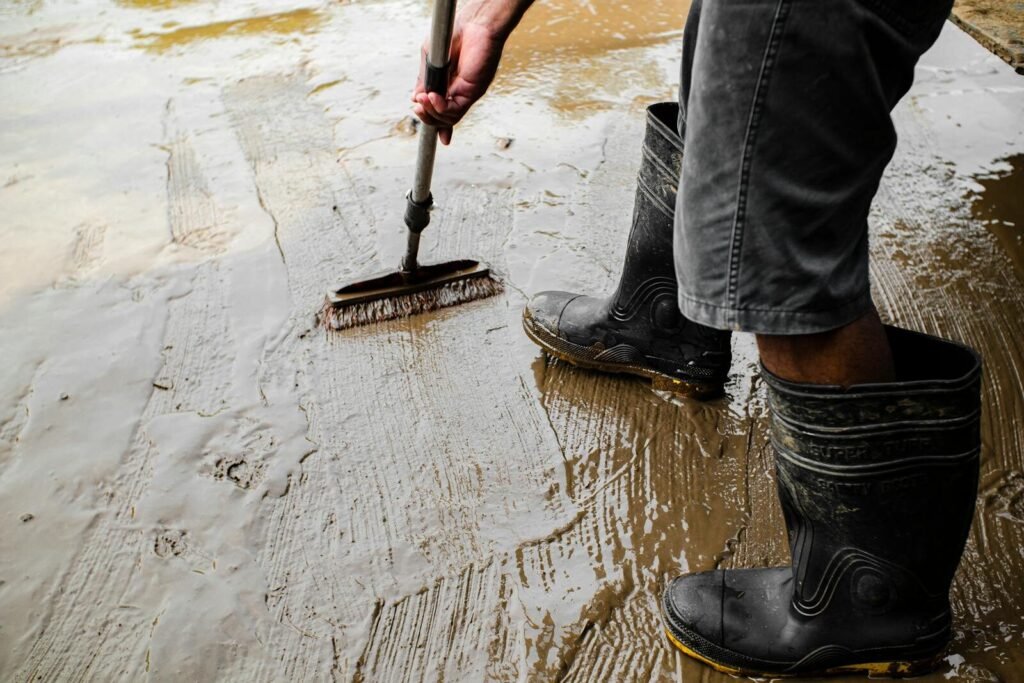
- Lemon Juice or Vinegar: Apply lemon juice or white vinegar directly on the rust stain. Let it sit for 10 to 15 minutes, then scrub gently with a brush and rinse. Avoid prolonged exposure to acid.
- Commercial Rust Removers: Products formulated specifically for concrete rust stains are widely available and often safer for the surface.
- Oxalic Acid Cleaner: A strong but effective option, typically found in hardware stores. Follow the manufacturer’s instructions closely and wear protective gloves.
Always rinse the area well to neutralize any acid residue.
Treating Mold, Mildew, and Algae Growth
Damp environments encourage biological growth on concrete, which not only stains but can make surfaces slippery:
- Bleach Solution: Mix 1 part bleach with 3 parts water, then apply it to affected areas. Let it sit for 10 to 15 minutes, then scrub with a stiff brush and rinse thoroughly.
- Commercial Fungicides: There are products designed to kill mold and mildew on outdoor surfaces, often combined with cleaning agents.
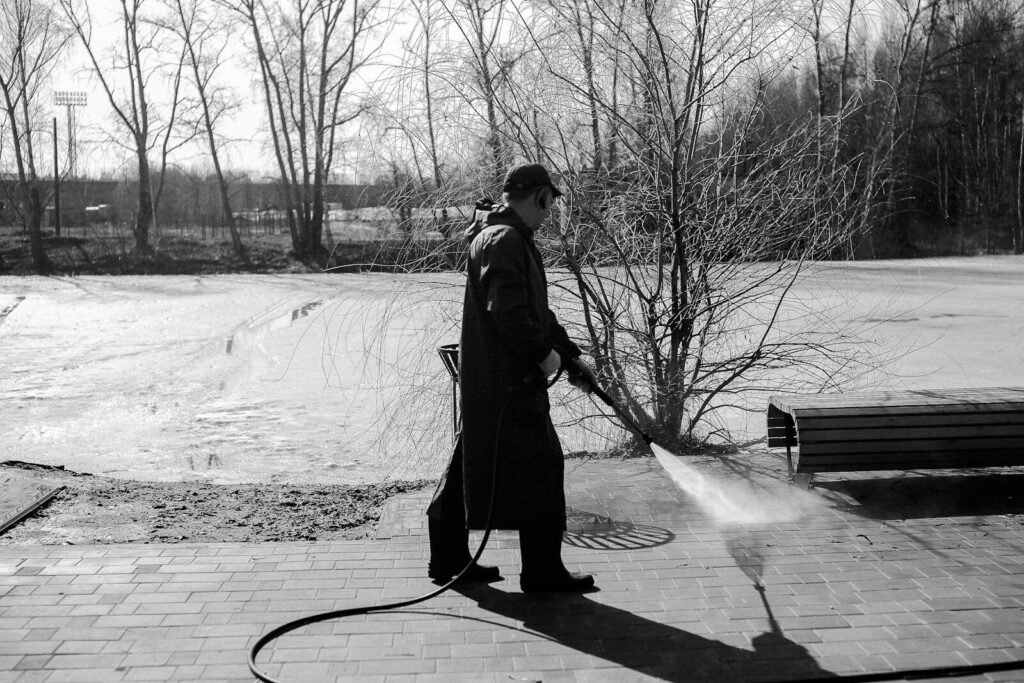
- Pressure Washing: A pressure washer can effectively remove surface mold and mildew, but should be used with care to avoid damaging the concrete or forcing water into cracks.
Regular cleaning and improved drainage can prevent regrowth.
Removing Paint from Concrete
Paint stains need solvents or mechanical methods, depending on their age and thickness:
- Paint Thinner or Stripper: Use a paint stripper formulated for concrete. Apply it according to the instructions, allowing it to soften the paint before gently scraping with a plastic scraper.
- Heat Gun: For small spots, a heat gun can soften paint for easier removal, but use caution to avoid burns or surface damage.
- Pressure Washing: After loosening paint, pressure washing can help remove residues.
- Sanding or Grinding: For stubborn or large areas, mechanical removal with a concrete grinder or sander is effective but may require professional assistance.
Testing methods on a small area ensures the chosen technique won’t harm the concrete.
General Maintenance Tips to Prevent Stains
Keeping concrete clean and stain-free involves regular upkeep:
- Seal Concrete Surfaces: Applying a concrete sealer creates a protective barrier against stains and moisture penetration.
- Clean Spills Promptly: Quickly addressing spills prevents absorption and long-term stains.
- Use Mats or Rugs: Place mats under vehicles or cooking areas to catch drips and spills.
- Routine Cleaning: Periodically sweep and wash concrete surfaces with mild detergents to maintain their appearance.
Consistent maintenance reduces the need for intensive stain removal.
Tools and Materials Commonly Used in Concrete Cleaning
Having the right tools and materials on hand streamlines the cleaning process:
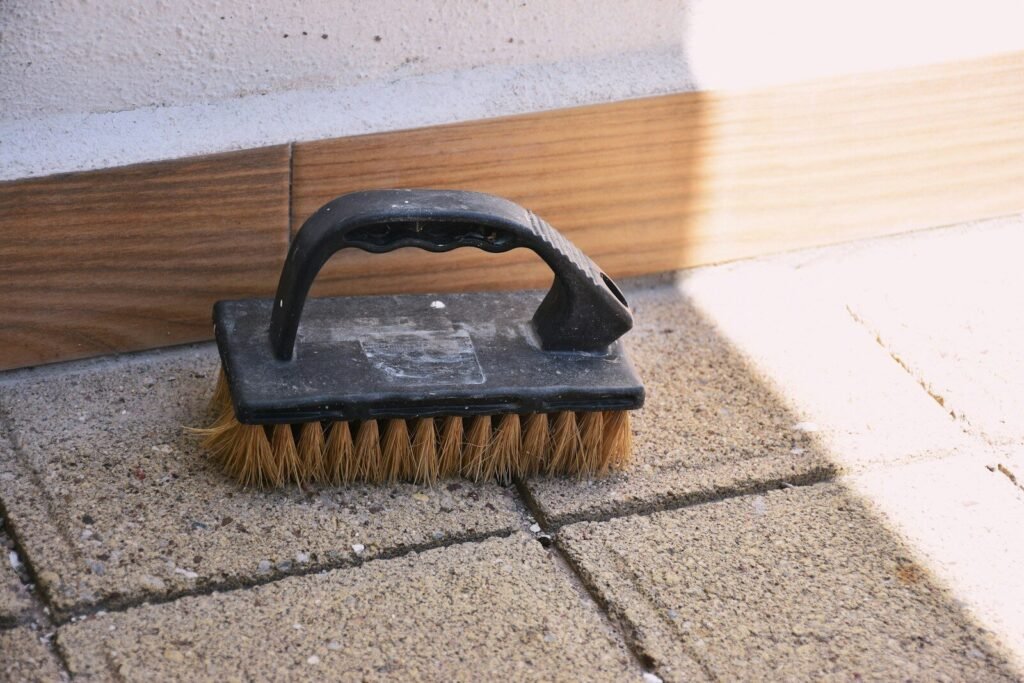
- Stiff-bristled Brush: Essential for scrubbing away stains without damaging concrete.
- Pressure Washer: Great for removing dirt, mold, and loosened stains, but requires careful handling.
- Protective Gear: Gloves, safety glasses, and masks protect against chemicals and debris.
- Cleaning Solutions: Including degreasers, rust removers, bleach, and pH-neutral detergents.
- Absorbent Materials: Baking soda, kitty litter, or sawdust to soak up fresh spills.
Choosing the appropriate tools ensures effective and safe cleaning.
When to Call a Professional
While many concrete stains can be managed with DIY methods, some situations warrant professional help:
- Extensive or Deep Stains: Large areas with deeply embedded oil or rust may require specialized equipment.
- Structural Damage: Cracks or spalling combined with stains suggest underlying issues.
- Delicate Concrete Finishes: Polished or decorative concrete may need expert care to avoid damage.
- Lack of Results: Persistent stains after multiple attempts may require professional-grade cleaners or repair.
Professionals can provide advanced cleaning techniques and advice tailored to specific concrete conditions.
By following these practical and targeted strategies, stained concrete surfaces can be revitalized efficiently, extending their lifespan and enhancing curb appeal. Regular maintenance, combined with appropriate stain-removal methods, ensures that driveways, patios, and other concrete areas stay clean and welcoming year-round.
You Might Also Enjoy
- How to Choose the Right Materials for Any DIY Project
- Simple Weekend DIY Projects You Can Actually Finish
- DIY Projects That Add Real Value to Your Home (Not Just Looks)