
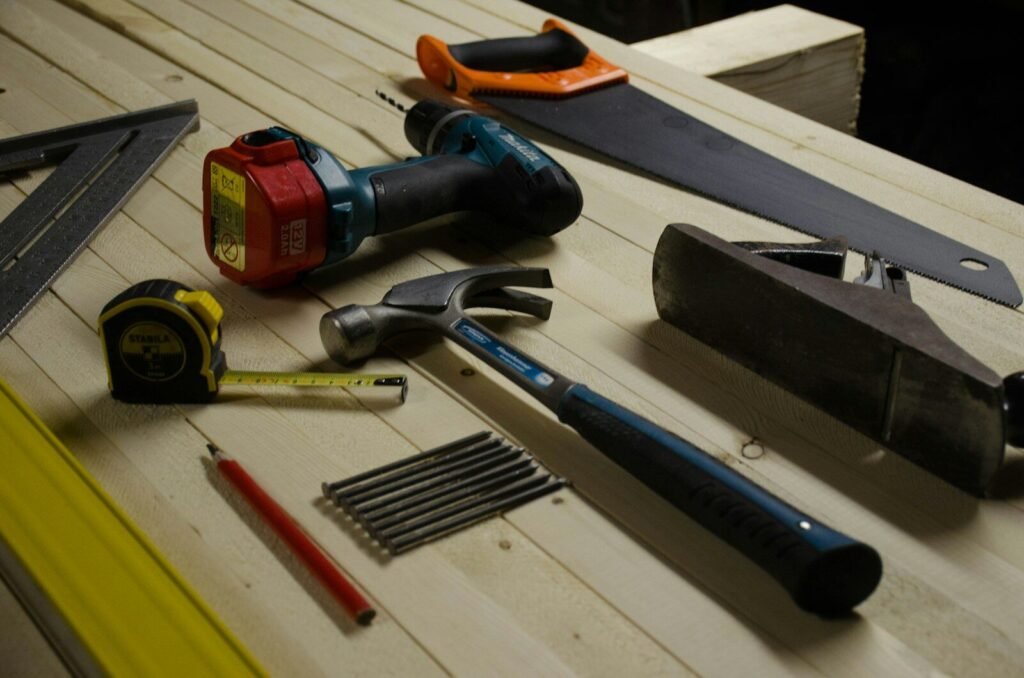
Choosing the right materials is a cornerstone of success for any DIY project. Whether building furniture, crafting home decor, or tackling renovation tasks, selecting materials that align with the project’s purpose, durability needs, and aesthetic goals can make all the difference. This guide breaks down essential considerations and practical tips to help DIY enthusiasts make informed choices that enhance project quality and longevity. This is especially true when it comes to how to choose the right materials for any diy project.
Understanding Project Requirements Before Selecting Materials
A clear understanding of the project’s scope is the first step toward choosing the right materials. Different projects demand different properties from materials—strength, flexibility, weather resistance, or ease of manipulation, for example.
- Define the purpose: Is the project functional, decorative, or both? Functional projects like shelves or storage units require sturdy, load-bearing materials, while decorative items might prioritize texture and appearance.
- Consider the environment: Indoor projects have different material requirements compared to outdoor ones. Materials exposed to moisture, sunlight, or temperature fluctuations need to be weather-resistant or treated accordingly.
- Assess expected wear and tear: High-traffic or frequently used items should be made from durable materials that withstand daily use without deteriorating quickly.
By mapping out these requirements early, DIYers can narrow down material options that fit the specific demands of their projects.
Evaluating Material Properties to Match Project Needs
Material properties are key to ensuring the final product performs well and lasts. Some commonly used materials in DIY projects include wood, metal, plastic, and composites. Each has distinct strengths and weaknesses.
- Wood: Popular for its versatility, wood offers good strength and aesthetic warmth. Hardwoods like oak and maple are ideal for furniture needing durability, while softwoods like pine are easier to work with but less durable.
- Metal: Metals such as steel, aluminum, and copper are excellent for strength and longevity, especially in structural or outdoor projects. Metals often require tools suited for cutting and welding.
- Plastic: Lightweight, moisture-resistant plastics are widely used for storage and craft projects. Some plastics are easy to cut and glue, but may lack strength and heat resistance.
- Composites: Engineered materials like plywood, MDF, or fiberglass combine qualities of different substances, offering stability and ease of finishing at varying price points.
Matching these material characteristics to the project’s functional and aesthetic requirements helps in picking the best fit.
Budget Considerations and Material Availability
Budget plays a critical role in material selection. While high-end materials can elevate a project’s look and durability, they may not always be necessary or feasible.
- Set a realistic budget: Determine how much can be allocated to materials without compromising other project aspects.
- Explore cost-effective alternatives: For example, MDF can substitute hardwood in non-load-bearing furniture, and treated plywood can work for outdoor projects on a budget.
- Check local availability: Sourcing materials locally can reduce costs and lead times. Visiting hardware stores, lumber yards, and craft shops can reveal unexpected options.
- Plan for waste and extras: Buying slightly more material than needed accounts for mistakes or adjustments during the build process, avoiding costly delays.
Balancing quality and cost ensures the project stays financially manageable without sacrificing essential performance.
Tools and Skill Level Impact Material Choices
The tools available and the DIYer’s skill set also influence which materials are suitable.
- Tool compatibility: Some materials require specialized tools—metalworking needs saws and drills suited for metal, while woodworking tools differ in blade types and handling.
- Skill demands: Beginners might prefer materials that are forgiving and easy to shape, like softwoods or certain plastics. Advanced DIYers can tackle harder woods and metals that need precision cutting and joining.
- Time investment: Complex materials might increase build time due to the need for careful handling, sanding, or finishing.
Aligning material choice with the DIYer’s expertise and tool access helps ensure a smoother project workflow.
Considering Sustainability and Environmental Impact
With growing awareness around sustainability, many DIYers prioritize eco-friendly materials.
- Reclaimed or recycled materials: Using wood from pallets or scrap metal reduces waste and adds unique character.
- Sustainably sourced wood: Certified woods (e.g., FSC-certified) ensure responsible forest management.
- Low-VOC finishes: Selecting paints and adhesives with low volatile organic compounds improves indoor air quality.
- Durability over disposability: Choosing long-lasting materials reduces the need for frequent replacements, minimizing environmental footprint.
Incorporating sustainable materials aligns DIY projects with broader environmental goals without sacrificing quality.
Testing and Experimenting with Materials
Before fully committing to materials, testing small samples or prototype pieces can highlight potential challenges.
- Sample cuts and joins: Practice cutting, sanding, or fastening to assess ease of working and final appearance.
- Finish compatibility: Test stains, paints, or sealants on material scraps to ensure desired results.
- Strength checks: For load-bearing projects, test connections and material integrity through simple stress tests.
This experimentation phase can save time and money by identifying material suitability early.
Actionable Takeaways for Choosing the Right Materials
- Start by clearly defining the project’s function, environment, and durability requirements.
- Match material properties—strength, flexibility, appearance—with these needs.
- Factor in budget constraints, seeking alternatives when necessary without compromising essential qualities.
- Consider available tools and skill level to avoid frustration or subpar results.
- Prioritize sustainable materials and practices where possible.
- Test materials on small scales before full project execution.
By following these practical steps, DIY enthusiasts can confidently select the right materials that enhance their projects’ success and satisfaction.