
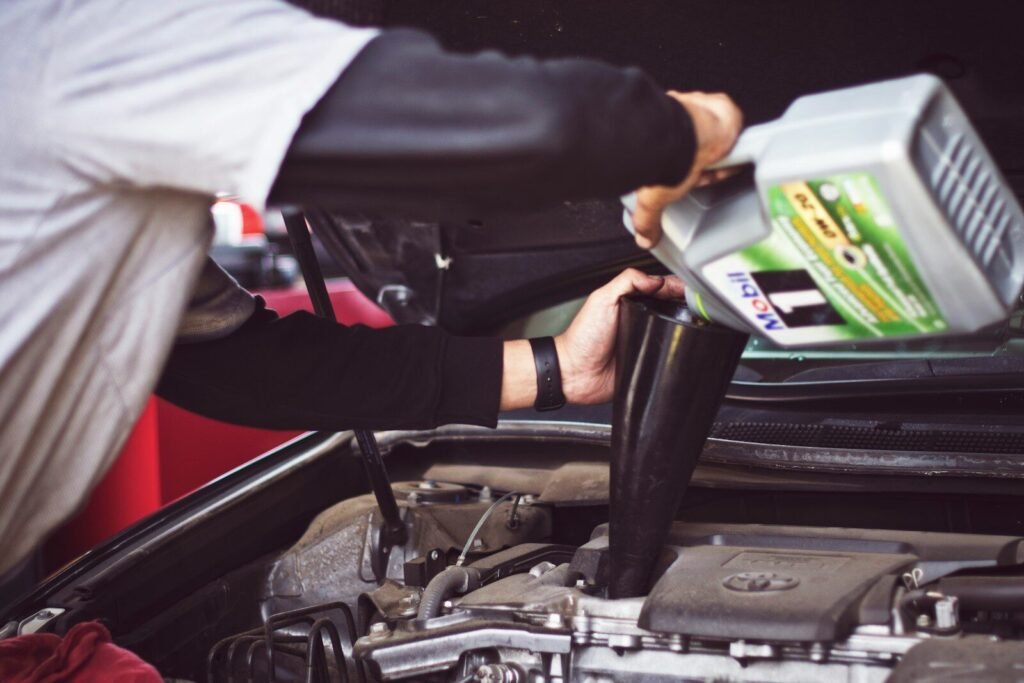
Keeping a vehicle in good running condition doesn’t have to be complicated or time-consuming. Basic car maintenance is essential for every driver to ensure safety, improve performance, and extend the lifespan of their vehicle. By mastering a simple checklist of routine tasks, drivers can prevent costly repairs and enjoy smoother, more reliable drives. This guide breaks down the fundamental car maintenance steps that every driver should know, with clear advice and practical tips. This is especially true when it comes to basic car maintenance every driver should know simple checklist.
Checking and Changing Engine Oil
Engine oil is the lifeblood of any car’s engine, lubricating moving parts and preventing wear and tear. Regularly checking and changing the oil is one of the most important maintenance tasks.
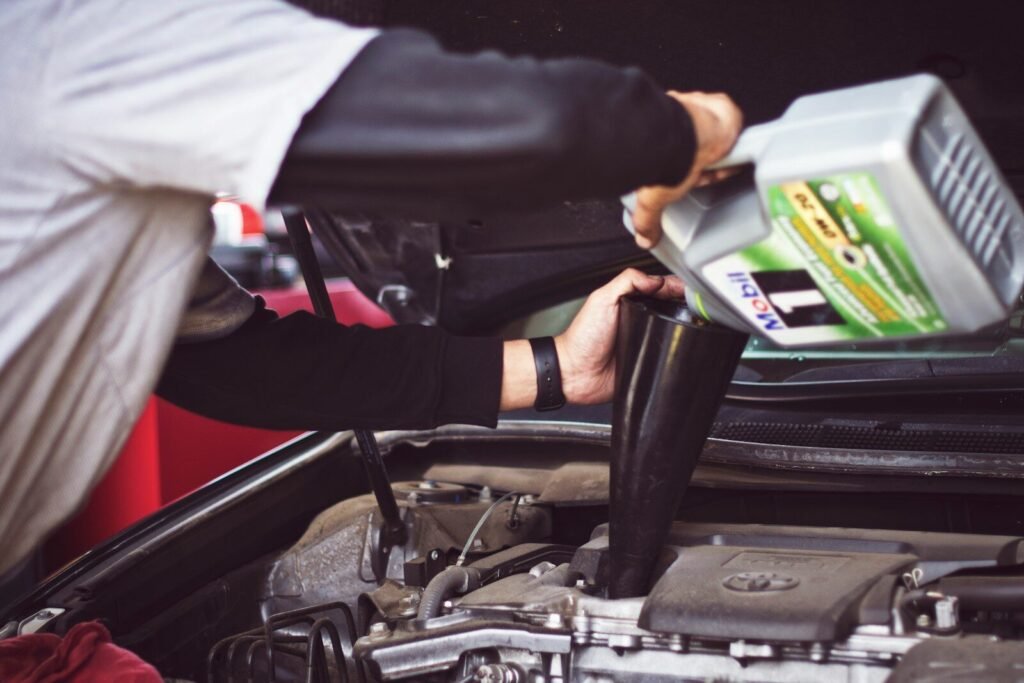
- Oil Level: Use the dipstick to check the oil level monthly or before long trips. The oil should be between the minimum and maximum marks.
- Oil Quality: Look for dark, gritty oil which indicates it’s time for a change. Fresh oil is amber and clear.
- Oil Change Interval: Follow the manufacturer’s recommended mileage or time intervals, typically every 3,000 to 7,500 miles. Synthetic oils often allow for longer intervals.
Neglecting oil changes can cause engine damage and reduce fuel efficiency, so keeping up with this simple step pays off in the long run.
Monitoring Tire Condition and Pressure
Tires are the only contact between the vehicle and the road, making their condition crucial for safety and fuel economy.
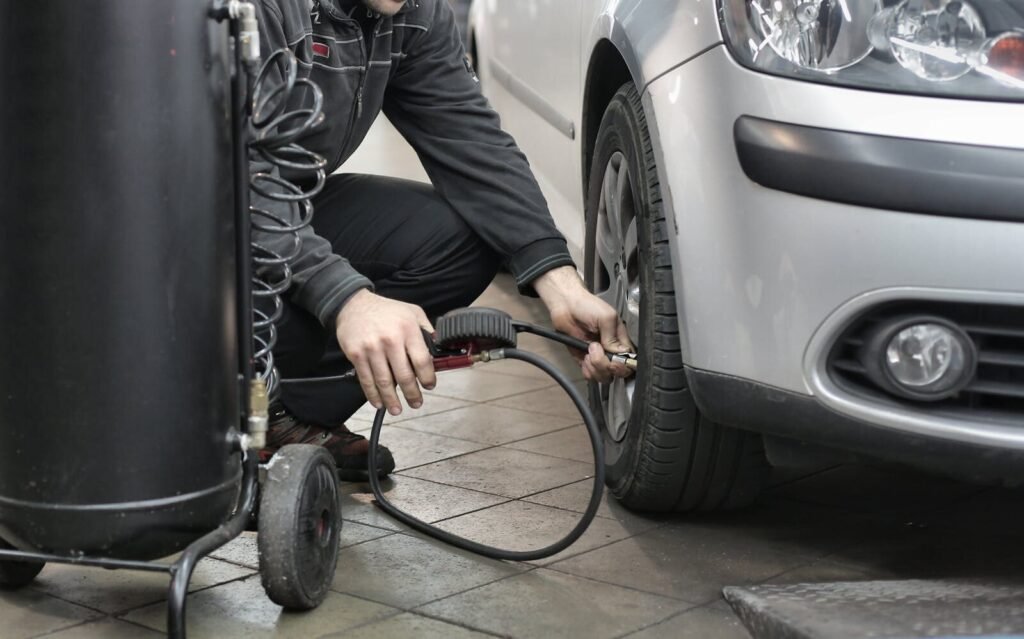
- Tire Pressure: Check tire pressure monthly using a reliable gauge and inflate to the recommended PSI found in the owner’s manual or driver’s side door jamb.
- Tread Depth: Inspect tire tread regularly; a tread depth below 2/32 inch is unsafe. The “penny test” is a quick way to check tread wear.
- Tire Rotation: Rotate tires every 5,000 to 7,000 miles to promote even wear and extend tire life.
Well-maintained tires improve handling, braking, and reduce the risk of blowouts.
Inspecting Brake Components
Brakes are critical for safe driving, and regular inspections help detect issues before they become dangerous.
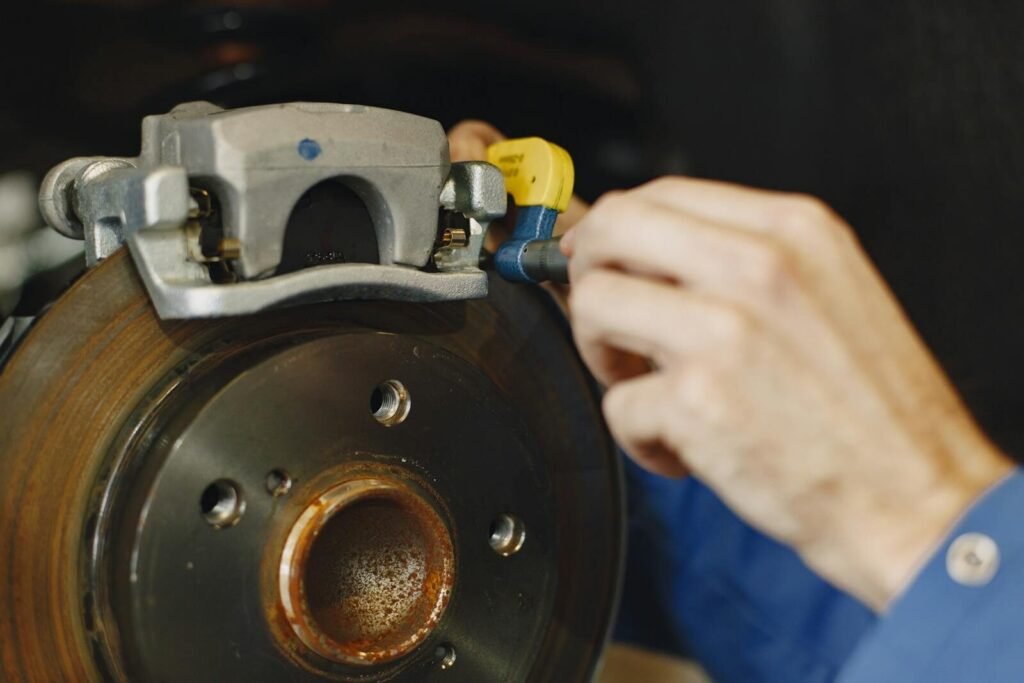
- Brake Pads: Listen for squealing or grinding noises when braking, which often signal worn pads needing replacement.
- Brake Fluid: Check the brake fluid level and top off if necessary, using the correct fluid type. Low fluid can indicate leaks or worn brake components.
- Brake Performance: Pay attention to changes in pedal feel or stopping distance. Any sponginess or vibration should prompt professional inspection.
Routine brake maintenance ensures responsive stopping power and peace of mind on the road.
Maintaining Battery Health
A reliable battery is essential for starting the engine and powering electrical systems.
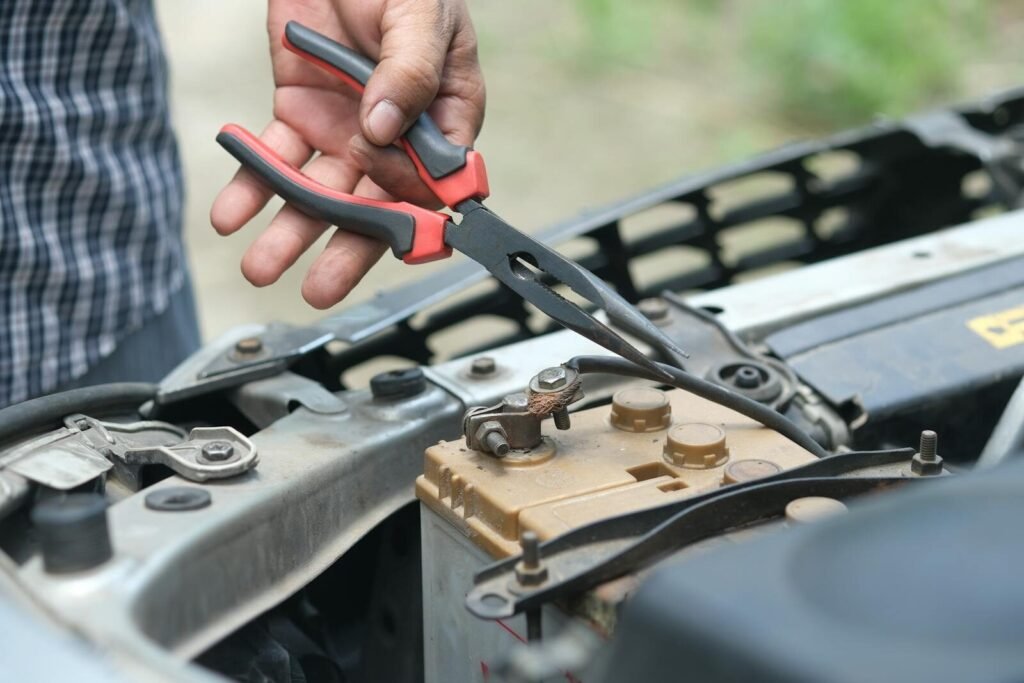
- Visual Inspection: Look for corrosion on battery terminals and clean it off with a mixture of baking soda and water if needed.
- Battery Charge: Use a multimeter or visit an auto shop to test battery voltage, especially before extreme weather seasons.
- Secure Connections: Ensure battery cables are tight and free of damage.
Replacing a failing battery before it dies can prevent inconvenient breakdowns.
Checking and Replacing Air Filters
Air filters keep dust and debris from entering the engine and cabin, impacting performance and air quality.
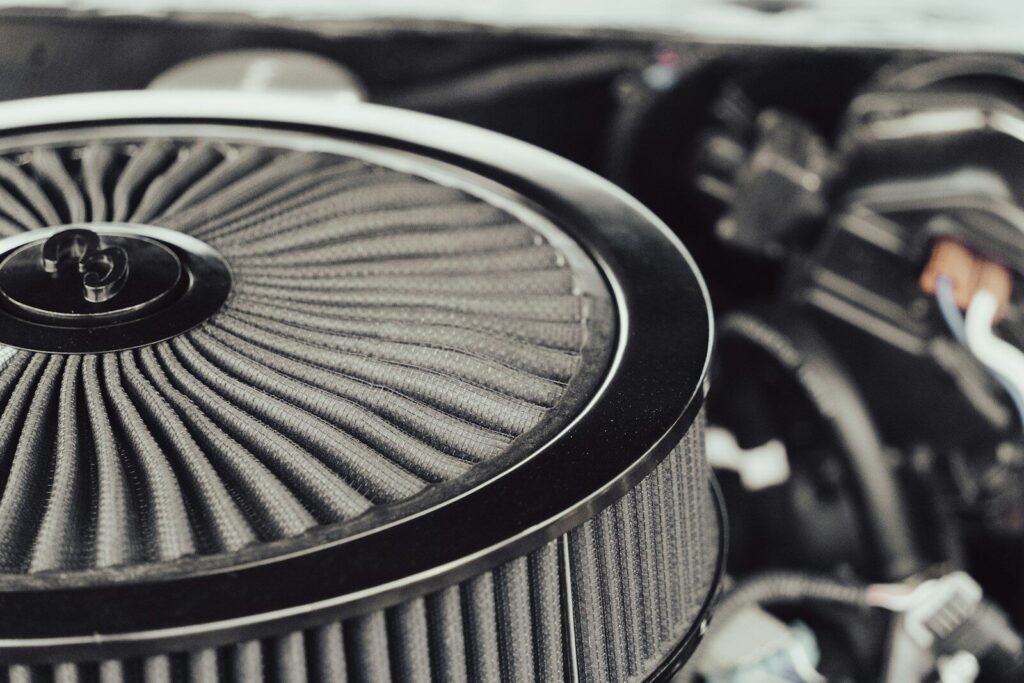
- Engine Air Filter: Inspect every 12,000 to 15,000 miles; a dirty filter restricts airflow and reduces fuel efficiency.
- Cabin Air Filter: Replace regularly to maintain clean air inside the vehicle and reduce allergens.
Swapping out filters is a quick, inexpensive way to keep a car running smoothly and passengers comfortable.
Monitoring Fluid Levels Beyond Oil
Several other fluids play vital roles in vehicle operation and should be checked regularly.
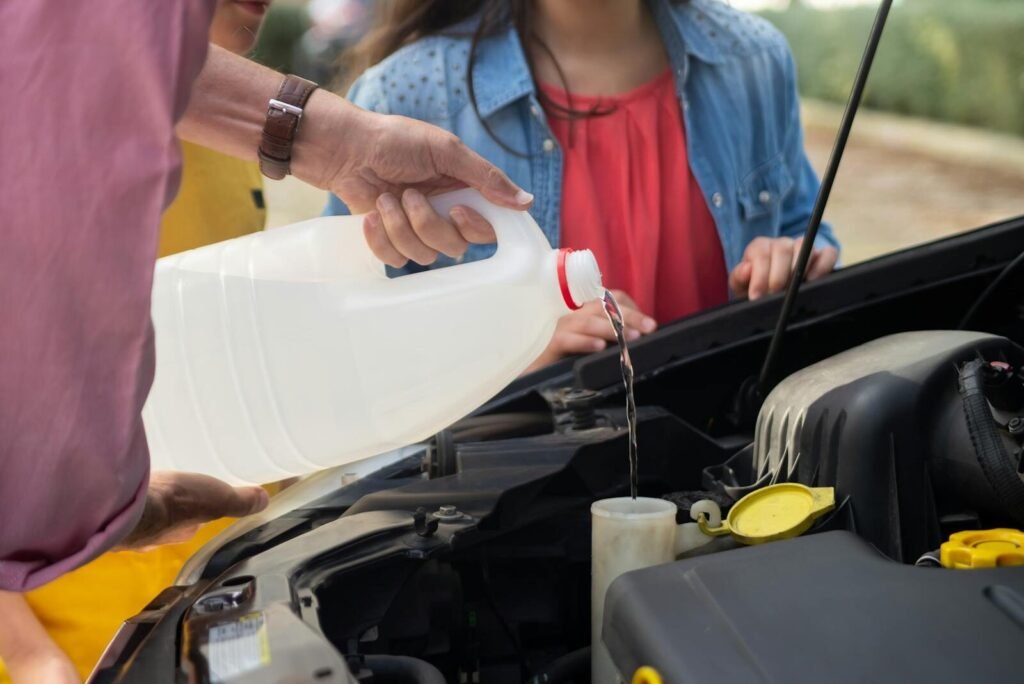
- Coolant: Keeps the engine from overheating. Check levels and top off with a proper coolant mixture.
- Transmission Fluid: Essential for smooth gear shifts. Some vehicles require periodic fluid changes; consult the owner’s manual.
- Power Steering Fluid: Helps with steering ease; low levels can cause noise or difficulty turning.
- Windshield Washer Fluid: Keeps the windshield clear; refill as needed for safe visibility.
Maintaining proper fluid levels prevents breakdowns and costly repairs.
Inspecting Lights and Signals
Properly functioning lights are vital for night driving and signaling intentions to other drivers.
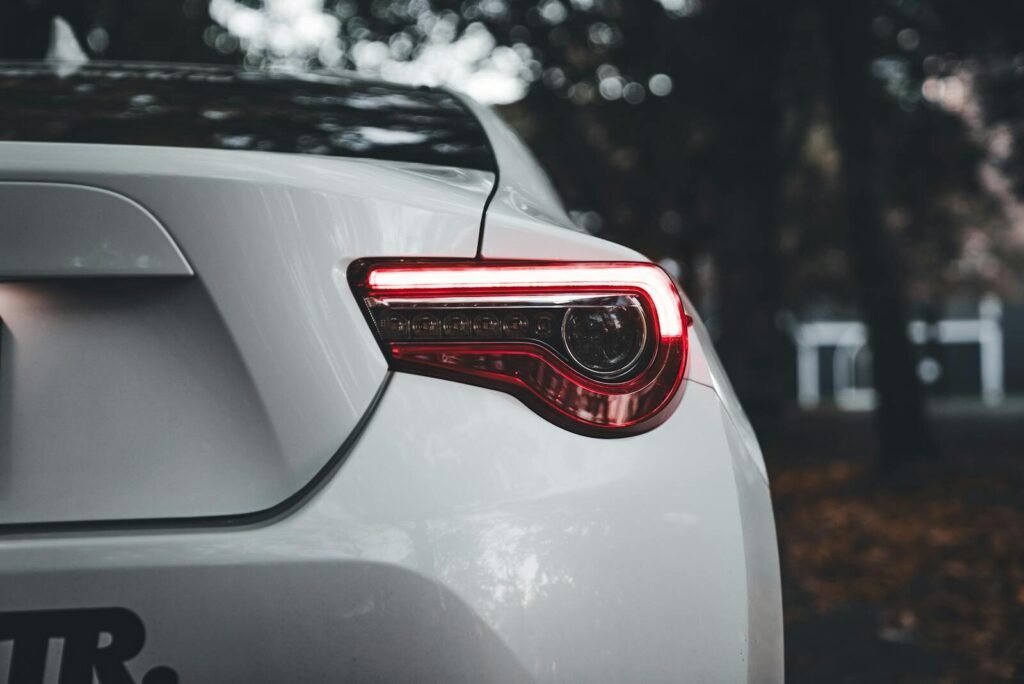
- Headlights and Taillights: Check all bulbs regularly and replace burned-out ones promptly.
- Brake Lights and Turn Signals: Ensure they activate correctly to avoid accidents or traffic tickets.
- Hazard Lights: Test periodically for emergencies.
Good visibility and clear communication on the road enhance safety for all.
Keeping Belts and Hoses in Good Shape
Belts and hoses control many engine functions and should not be overlooked.
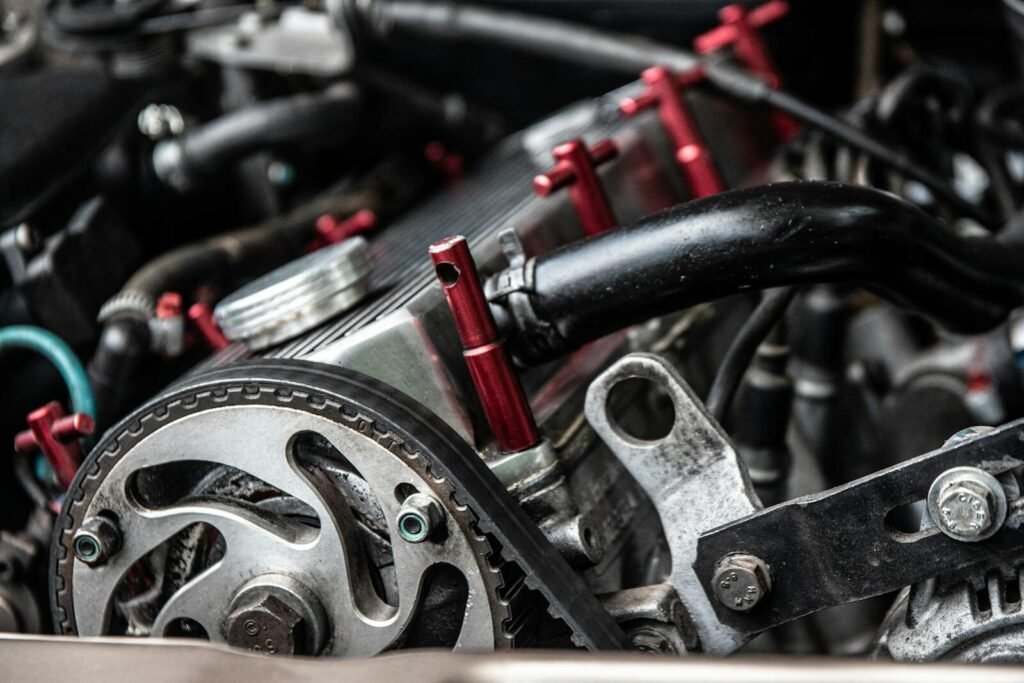
- Serpentine Belt: Inspect for cracks, fraying, or glazing. A worn belt can snap and cause engine failure.
- Radiator Hoses: Check for leaks, bulges, or softness. Replace aging hoses to prevent overheating.
- Timing Belt: Usually replaced at specific mileage intervals to avoid catastrophic engine damage.
Regularly examining these components helps avoid unexpected breakdowns.
Tire Maintenance Tools Every Driver Should Have
Having basic tools on hand supports prompt tire maintenance and emergency fixes.
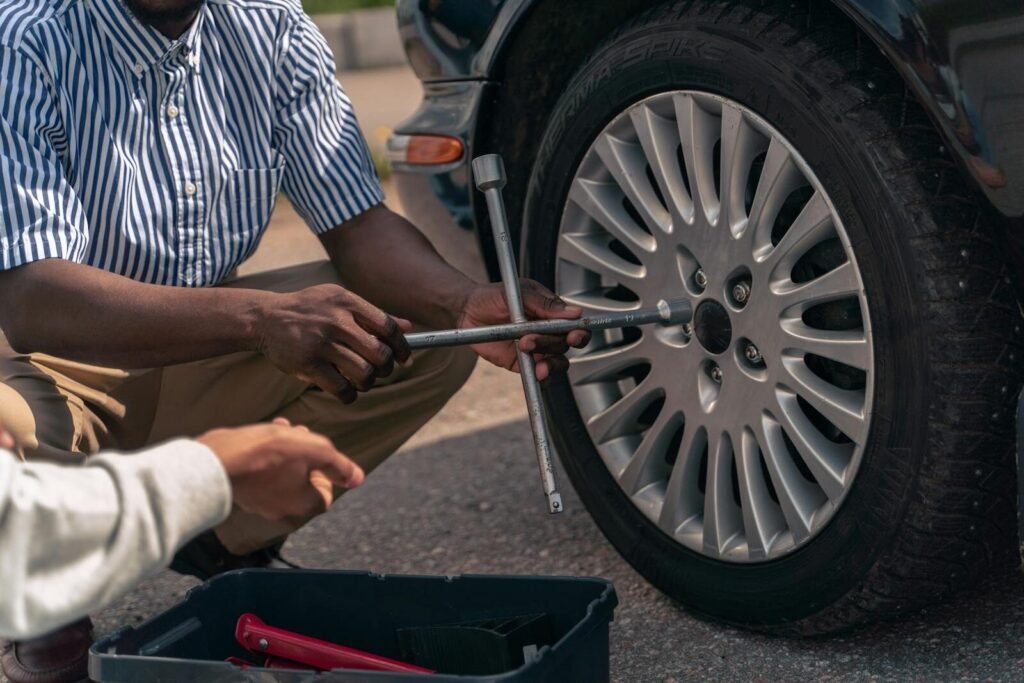
- Tire Pressure Gauge: For accurate pressure monitoring.
- Portable Air Compressor: Convenient for topping off tires on the go.
- Spare Tire and Jack: Essential for roadside tire changes.
- Tire Repair Kit: Useful for temporary puncture fixes.
Prepared drivers can handle minor tire issues efficiently and safely.
Actionable Takeaways for Everyday Drivers
- Set reminders to check oil, tire pressure, and fluid levels monthly.
- Keep an emergency tool kit in the car with essential items like a tire gauge and flashlight.
- Schedule professional inspections for brakes, belts, and transmission fluids as recommended.
- Address warning signs such as strange noises, smells, or dashboard alerts immediately.
- Follow the vehicle manufacturer’s maintenance schedule for optimal performance.
By integrating these basic maintenance tasks into regular routines, drivers can enjoy safer journeys, better fuel economy, and fewer costly repairs.