
Choosing the right outdoor storage solution can transform how a homeowner manages clutter, protects tools, and maintains an orderly yard or garden. Among the most popular options are lean-tos, sheds, and storage bins. Each offers distinct advantages and limitations, which makes understanding these differences crucial for selecting the most practical and cost-effective choice. This article breaks down the key features, uses, and considerations for lean-tos, sheds, and storage bins to help homeowners make an informed decision. This is especially true when it comes to lean-to vs shed vs storage bin, what’s actually worth it.
You might also find this helpful: Simple Weekend DIY Projects You Can Actually Finish
Affiliate disclosure: Some links in this article are affiliate links. If you make a purchase through an affiliate link, I may earn a commission at no additional cost to you. As an Amazon Associate I earn from qualifying purchases.
Understanding the Basics: Lean-To, Shed, and Storage Bin
Before diving into comparisons, it helps to define what each storage option entails:
- Lean-To: A lean-to is a simple structure that leans against an existing building, such as a garage or house wall. It typically has three walls and a sloping roof, making it an economical choice for sheltering items while using minimal space and materials.
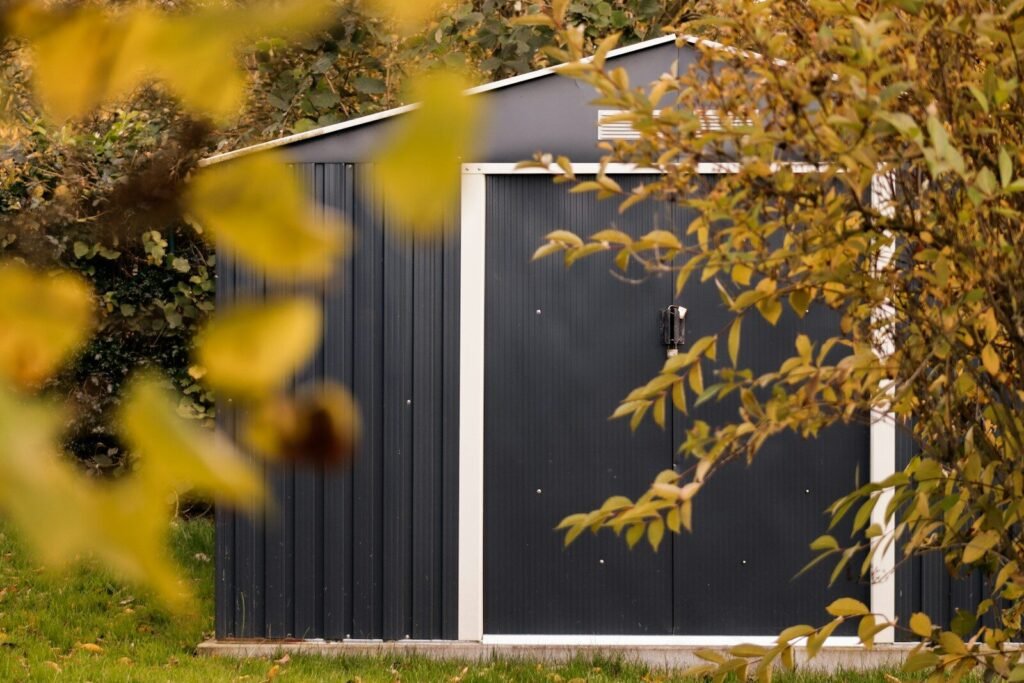
- Shed: A shed is a standalone structure designed specifically for storage. Sheds vary widely in size and materials, from small plastic units to larger wooden or metal buildings. They offer more security and protection from the elements.
- Storage Bin: Storage bins are compact, often made of plastic or resin, and designed primarily for storing small items. They are usually portable and can be placed almost anywhere outside.
Space and Capacity Considerations
When deciding which storage solution is worth the investment, assessing space requirements is fundamental.
- Lean-To: Ideal for limited spaces where adding a separate building isn’t feasible. Since it relies on an existing wall, it saves yard space but typically has less storage volume than a shed.
- Shed: Best for those needing significant storage capacity. Sheds can accommodate larger tools, bikes, gardening equipment, and even serve as small workshops.
- Storage Bin: Suitable for small-scale storage needs, such as garden supplies, cushions, or seasonal items. Its compact nature limits what can be stored, but excels in portability.
Installation Complexity and Cost
Ease of setup and initial cost are significant factors influencing the decision between lean-to, shed, and storage bin.
- Lean-To: Usually less expensive than building a full shed. Installation involves attaching the structure to an existing building, which can be a DIY project for those with basic carpentry skills. However, proper sealing and waterproofing are essential to prevent damage to both the lean-to and the attached building.
- Shed: Costs vary widely depending on size, material, and features. Pre-fabricated kits simplify assembly but may require professional installation for larger models. Building a custom shed is more expensive and labor-intensive, but it offers customization.
- Storage Bin: The most budget-friendly and easiest to set up. Typically requires no assembly beyond simple snapping or locking mechanisms. Ideal for quick, low-commitment storage.
Durability and Weather Resistance
One of the main purposes of outdoor storage is protection from weather conditions, so durability is a key consideration.
- Lean-To: Provides decent protection but depends heavily on the quality of materials and installation. Because it’s attached to another building, moisture issues can arise if not properly sealed.
- Shed: Generally offers the best protection against rain, snow, wind, and sun exposure, especially when made from durable materials such as treated wood or metal. Proper ventilation and insulation can also be added to protect sensitive items.
- Storage Bin: Offers limited weather protection. Most bins are water-resistant but not fully waterproof. They are best for items that can tolerate occasional moisture or for use in sheltered locations.
Security and Accessibility
The level of security and ease of access can influence which storage solution is most practical.
- Lean-To: Provides moderate security since it can be locked, but its attachment to the main building may create vulnerabilities if not well-built.
- Shed: Offers the highest security. Many models come with lockable doors and reinforced walls. Ideal for storing valuable tools or equipment.
- Storage Bin: Typically features simple latches or locks, suitable for deterring casual access but not robust against determined theft.
Aesthetic and Property Impact
Storage structures also impact the look and feel of outdoor spaces, which is important for homeowners mindful of curb appeal.
- Lean-To: Can blend seamlessly with the existing structure if designed with matching materials, maintaining a cohesive look.
- Shed: Offers more design flexibility but can dominate a yard visually if oversized or poorly placed. Choosing styles and colors that complement the home can enhance aesthetics.
- Storage Bin: Minimal visual impact due to small size, but can look out of place if cluttered or mismatched with the surroundings.
Practical Use Cases for Each Storage Option
Understanding typical applications helps clarify which option fits different lifestyle needs.
- Lean-To: Perfect for storing firewood, garden tools, or outdoor cushions near the house. It’s also useful for protecting bicycles or trash bins without consuming much space.
- Shed: Suitable for serious gardeners, hobbyists, or homeowners with many outdoor tools. It can double as a workspace or a seasonal storage hub.
- Storage Bin: Great for storing pool supplies, sports equipment, or small gardening items. Its portability means it can be moved wherever it’s needed most.
Maintenance Requirements
The time and effort required to maintain the storage structure can influence long-term satisfaction.
- Lean-To: Requires regular inspection for water damage where it meets the house, as well as upkeep of roofing and siding materials.
- Shed: Maintenance depends on material; wood sheds need periodic painting or sealing, while metal or plastic sheds require less frequent attention.
- Storage Bin: Minimal maintenance, usually just cleaning and occasional checks for cracks or damage.
Final Takeaway: Matching Storage Needs with Practical Solutions
Determining what’s actually worth it boils down to matching the storage type with the homeowner’s specific needs, budget, and space constraints. Lean-tos offer economical, space-saving storage that works well for light-duty use. Sheds provide robust, secure, and versatile storage for larger or more valuable items but come with higher costs and installation demands. Storage bins are perfect for small-scale, portable storage with minimal fuss.
By carefully evaluating these factors, homeowners can select the outdoor storage option that maximizes functionality and value for their unique situation.